THE ADVENTURE COLLECTIVE® · Independent discovery and booking for outdoor travel

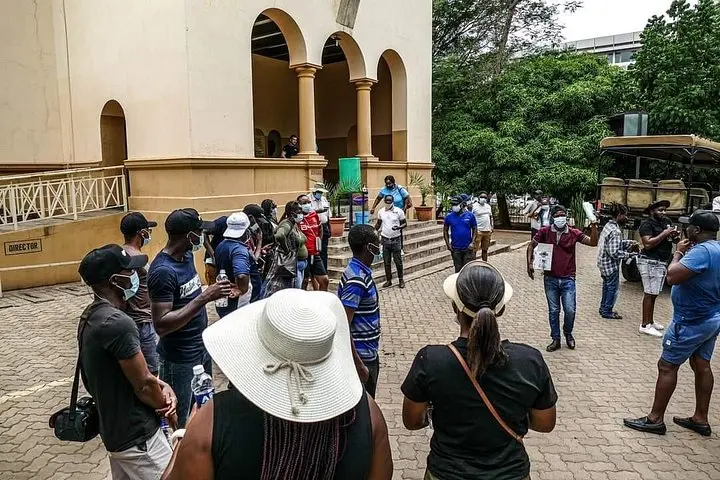
Explore the Livingstone Museum’s comprehensive collections and a guided walking tour of Livingstone’s historical core. In two hours you’ll encounter Zambia’s cultural artifacts, colonial history and local life near the Zambezi.
Explore the Livingstone Museum’s comprehensive collections and a guided walking tour of Livingstone’s historical core. In two hours you’ll encounter Zambia’s cultural artifacts, colonial history and local life near the Zambezi.
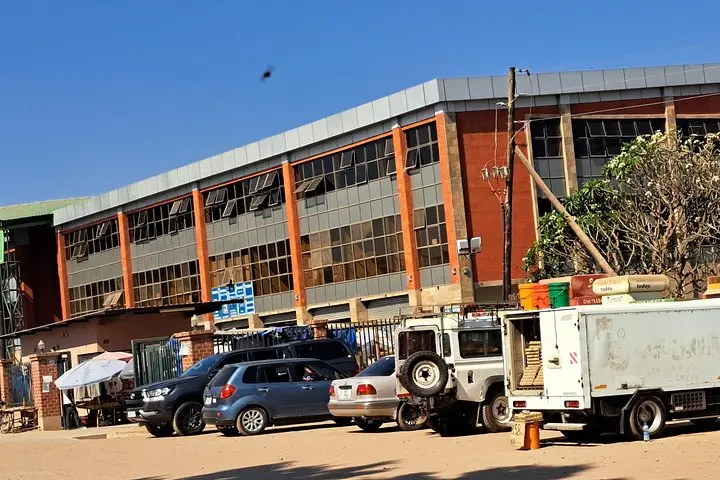
You step off the minivan onto a sun-warmed street where the Zambezi’s breath is a distant promise; Livingstone’s streets carry the low clack of daily markets, colonial facades, and the quick, bright calls of birds that make this town more than a gateway to Victoria Falls.
Verified experiences and guided adventures in the surrounding area.
Operated by Traverse Zambia Safaris Limited · Livingstone, Southern Province
You step off the minivan onto a sun-warmed street where the Zambezi’s breath is a distant promise; Livingstone’s streets carry the low clack of daily markets, colonial facades, and the quick, bright calls of birds that make this town more than a gateway to Victoria Falls.
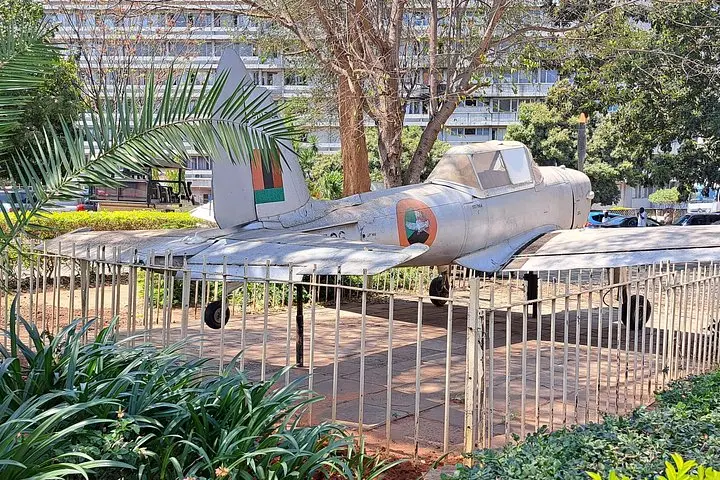
The tour begins inside the Livingstone Museum, Zambia’s oldest and largest, where glass cases hold tools, textiles and taxidermy that chart human life and natural history across the region. The exhibits move from prehistoric stone tools to colonial-era artifacts and objects from the independence struggle, offering a layered account of culture and power.
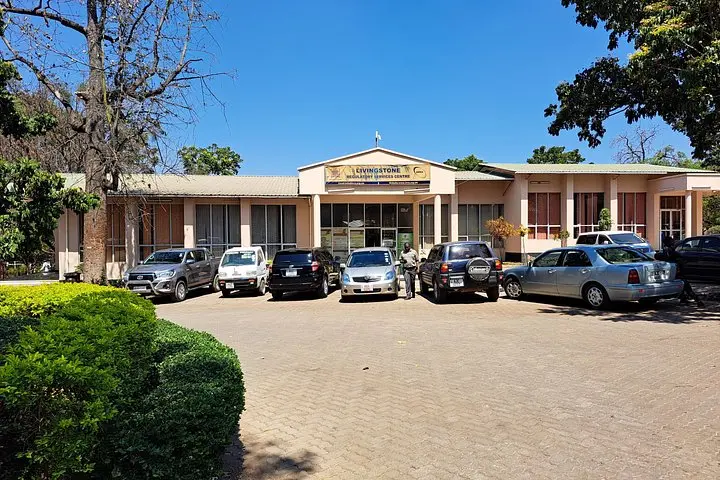
Outside, the historical town walk threads past early 20th-century buildings, mission sites and municipal landmarks. The geology is visible in the red laterite soils and the gentle terraces that slope toward the Zambezi floodplain; the river’s presence shaped trade, settlement and the botanical mix—baobabs and mopane stand where water dictated life.
Local insight: guides often point out lesser-known plaques and family-run museums that reveal everyday histories absent from national narratives.
Practical guidance: the tour is an easy, two-hour outing on paved streets and museum floors. Wear sturdy walking shoes for uneven sidewalks, bring sun protection and a refillable bottle — bottled water is often provided, but refilling is both cheaper and greener. Mornings are cooler and less crowded; late afternoons offer softer light for photography. Wheelchair-accessible options and hotel transfers make this a convenient cultural stop in Livingstone’s tourism circuit.
The combined museum and town walk lasts about two hours with hotel transfers included.
Yes—both the museum and transportation options are listed as wheelchair accessible, though some older streets may have uneven surfaces.
Entry fees to the museum are included in the tour price per the itinerary details.
Guides typically speak English; multilingual options depend on operator staffing and should be requested at booking.
Traverse Zambia Safaris Limited operates guided outdoor trips and adventures with an emphasis on safety, stewardship, and memorable experiences.
You step off the minivan onto a sun-warmed street where the Zambezi’s breath is a distant promise; Livingstone’s streets carry the low clack of daily markets, colonial facades, and the quick, bright calls of birds that make this town more than a gateway to Victoria Falls.
You step off the minivan onto a sun-warmed street where the Zambezi’s breath is a distant promise; Livingstone’s streets carry the low clack of daily markets, colonial facades, and the quick, bright calls of birds that make this town more than a gateway to Victoria Falls.
The tour begins inside the Livingstone Museum, Zambia’s oldest and largest, where glass cases hold tools, textiles and taxidermy that chart human life and natural history across the region. The exhibits move from prehistoric stone tools to colonial-era artifacts and objects from the independence struggle, offering a layered account of culture and power.
Outside, the historical town walk threads past early 20th-century buildings, mission sites and municipal landmarks. The geology is visible in the red laterite soils and the gentle terraces that slope toward the Zambezi floodplain; the river’s presence shaped trade, settlement and the botanical mix—baobabs and mopane stand where water dictated life.
Local insight: guides often point out lesser-known plaques and family-run museums that reveal everyday histories absent from national narratives.
Practical guidance: the tour is an easy, two-hour outing on paved streets and museum floors. Wear sturdy walking shoes for uneven sidewalks, bring sun protection and a refillable bottle — bottled water is often provided, but refilling is both cheaper and greener. Mornings are cooler and less crowded; late afternoons offer softer light for photography. Wheelchair-accessible options and hotel transfers make this a convenient cultural stop in Livingstone’s tourism circuit.