THE ADVENTURE COLLECTIVE® · Independent discovery and booking for outdoor travel

See both Zambia and Zimbabwe viewpoints of Victoria Falls in a single, well-paced day. This guided combo pairs the 16-point Zimbabwe circuit with Zambian overlooks and a Livingstone Museum visit—practical, immersive, and ideal for first-time visitors.
See both Zambia and Zimbabwe viewpoints of Victoria Falls in a single, well-paced day. This guided combo pairs the 16-point Zimbabwe circuit with Zambian overlooks and a Livingstone Museum visit—practical, immersive, and ideal for first-time visitors.
A low cloud of spray sits on the lip of the gorge like a living thing, and the footfalls of the small group echo as they move from viewpoint to viewpoint. On the Zimbabwe side the path runs close to the cliff edge, offering wide, thunderous vistas; on the Zambian bank the river pulls tighter, daring you toward narrow overlooks where the spray is nearly a blanket.
Verified experiences and guided adventures in the surrounding area.
Operated by Intondolo Safaris and Tours · Livingstone, Southern Province
A low cloud of spray sits on the lip of the gorge like a living thing, and the footfalls of the small group echo as they move from viewpoint to viewpoint. On the Zimbabwe side the path runs close to the cliff edge, offering wide, thunderous vistas; on the Zambian bank the river pulls tighter, daring you toward narrow overlooks where the spray is nearly a blanket.
The falls—called Mosi-oa-Tunya, “The Smoke That Thunders”—were first reported to Europeans by David Livingstone in 1855. Geologically, the Zambezi cuts through basalt plateaus, creating the segmented curtain of water that shifts with seasonal flow. Culturally the area is shared by two towns and two national parks, with colonial-era infrastructure such as the Victoria Falls Bridge providing a visible cross-border link.
This combo tour is practical by design: a guided 16-point circuit on the Zimbabwe side, a stamped border crossing on the bridge, then 90 minutes of exploration on the Zambian side followed by a Livingstone Museum visit. Expect paved and rocky paths, regular viewpoints with railings, and substantial mist near the main cataracts. Park entry fees are paid at gates; carry local currency and your passport for immigration.
Timing matters—low-water months give clearer ledges and access to some pools, while high-water months maximize the curtain’s power but increase spray. Wear grippy shoes, bring a waterproof layer and a daypack with water and documents. Lunch is independent; plan a relaxed window in Livingstone or Victoria Falls town after the museum visit.
Visa requirements vary by nationality; many visitors use the KAZA Univisa where eligible, but check current visa rules and carry your passport.
No—national park fees are typically paid at the gate on arrival and are not included in the standard combo price.
The tour notes wheelchair-accessible transportation and paths in some areas, but spray and uneven surfaces at viewpoints may limit access to certain overlooks; check specifics with the operator.
Devil’s Pool and Livingstone Island are seasonal extras available on the Zambian side during low water; confirm availability and safety requirements with the guide in advance.
Intondolo Safaris and Tours operates guided outdoor trips and adventures with an emphasis on safety, stewardship, and memorable experiences.
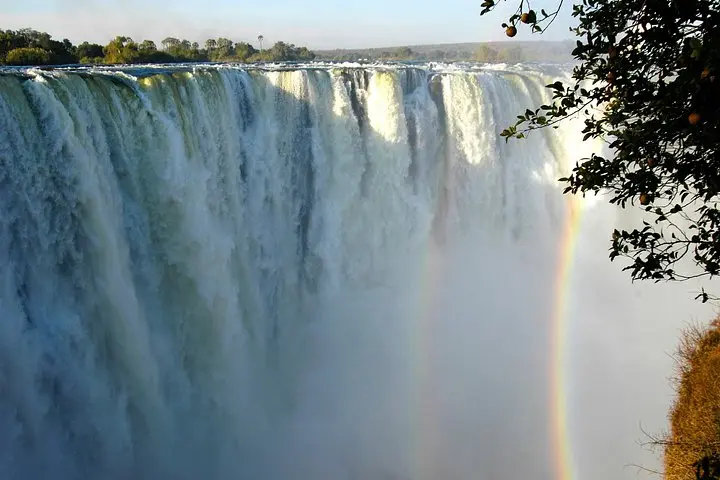
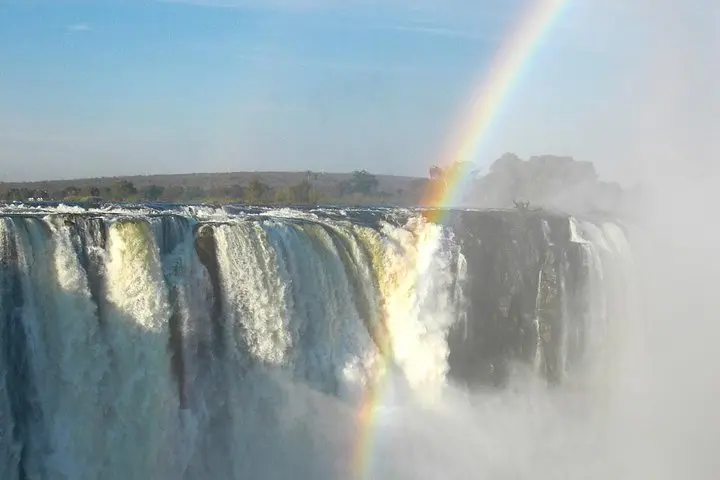
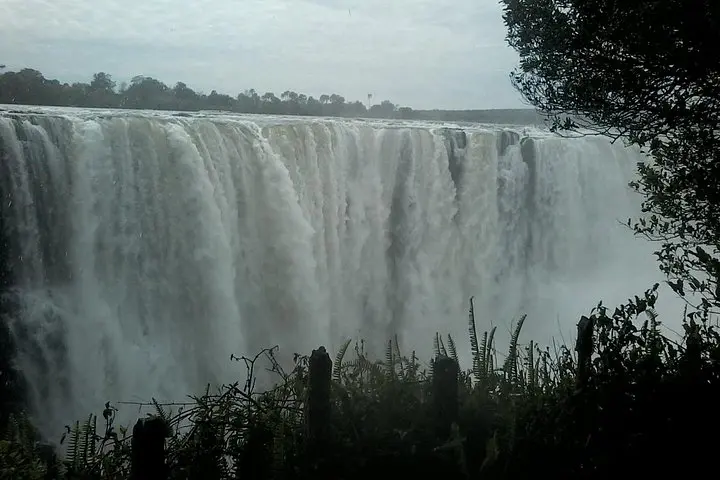
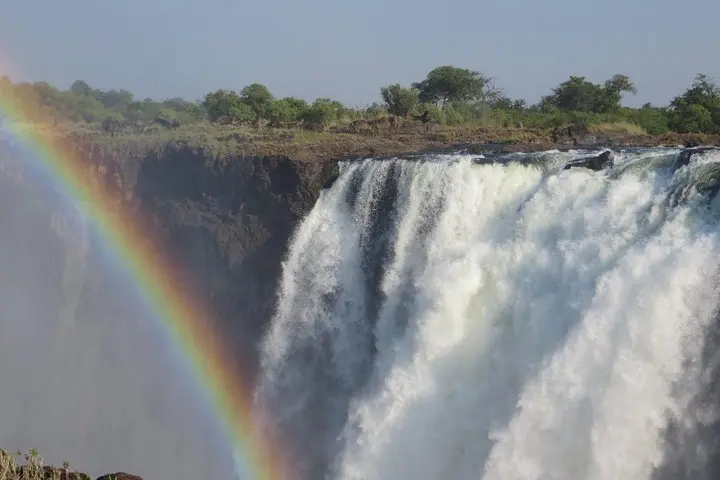
A low cloud of spray sits on the lip of the gorge like a living thing, and the footfalls of the small group echo as they move from viewpoint to viewpoint. On the Zimbabwe side the path runs close to the cliff edge, offering wide, thunderous vistas; on the Zambian bank the river pulls tighter, daring you toward narrow overlooks where the spray is nearly a blanket.
A low cloud of spray sits on the lip of the gorge like a living thing, and the footfalls of the small group echo as they move from viewpoint to viewpoint. On the Zimbabwe side the path runs close to the cliff edge, offering wide, thunderous vistas; on the Zambian bank the river pulls tighter, daring you toward narrow overlooks where the spray is nearly a blanket.
The falls—called Mosi-oa-Tunya, “The Smoke That Thunders”—were first reported to Europeans by David Livingstone in 1855. Geologically, the Zambezi cuts through basalt plateaus, creating the segmented curtain of water that shifts with seasonal flow. Culturally the area is shared by two towns and two national parks, with colonial-era infrastructure such as the Victoria Falls Bridge providing a visible cross-border link.
This combo tour is practical by design: a guided 16-point circuit on the Zimbabwe side, a stamped border crossing on the bridge, then 90 minutes of exploration on the Zambian side followed by a Livingstone Museum visit. Expect paved and rocky paths, regular viewpoints with railings, and substantial mist near the main cataracts. Park entry fees are paid at gates; carry local currency and your passport for immigration.
Timing matters—low-water months give clearer ledges and access to some pools, while high-water months maximize the curtain’s power but increase spray. Wear grippy shoes, bring a waterproof layer and a daypack with water and documents. Lunch is independent; plan a relaxed window in Livingstone or Victoria Falls town after the museum visit.