THE ADVENTURE COLLECTIVE® · Independent discovery and booking for outdoor travel

Walk through a working village near Livingstone to meet artisans, sample local food, and tour a royal palace. This three-hour cultural visit mixes hands-on craft viewing with practical tips for respectful travel.
Walk through a working village near Livingstone to meet artisans, sample local food, and tour a royal palace. This three-hour cultural visit mixes hands-on craft viewing with practical tips for respectful travel.
You step off the minivan and the village breathes around you: dry earth, a chorus of children, and smoke from open hearths that tugs at the air. The guide leads a low-walled path past mud-and-thatch compounds while elders pause to greet visitors; the royal palace sits a short walk away, its gates an active center of local rituals.
Verified experiences and guided adventures in the surrounding area.
Operated by Ramjet Safaris · Livingstone, Southern Province
You step off the minivan and the village breathes around you: dry earth, a chorus of children, and smoke from open hearths that tugs at the air. The guide leads a low-walled path past mud-and-thatch compounds while elders pause to greet visitors; the royal palace sits a short walk away, its gates an active center of local rituals.
This area of Southern Province is home to Tonga and Lozi cultural influences; settlements follow patterns that reflect seasonal river shifts and traditional cattle-keeping. The soil here tells its own story—sandy loams formed by the nearby Zambezi’s long drainage, and koppies of older basalt that punctuate the horizon. Crafts sold in the market use local reeds, beads, and hardwoods; each design often carries a clan or ceremonial meaning.
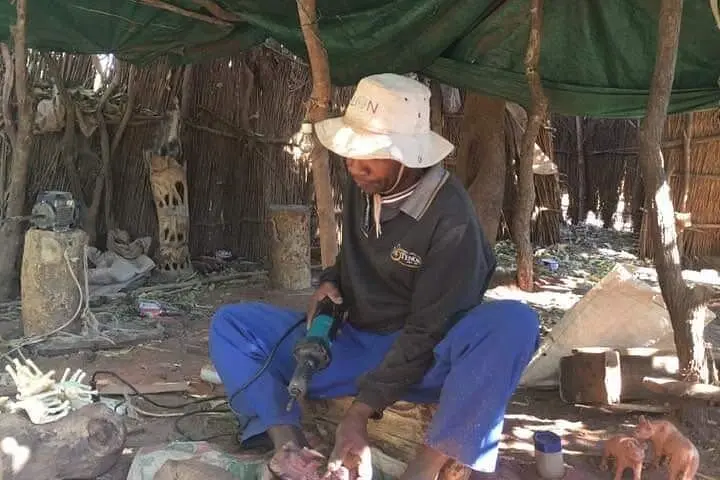
The visit balances observation and participation: tasting staple dishes, watching basket weavers set reed, and touring the palace compound while a custodian explains lineage and local governance. Expect open courtyards, simple architecture, and the close hum of village life—domestic cattle graze, and acacia trees keep watch.
Practical guidance: the tour is short (about three hours) and involves easy walking on uneven surfaces—sturdy, closed shoes and a sun hat are recommended. Carry small-denomination cash for purchases and modest clothing out of cultural respect. Photography is welcome but ask before shooting people. Hydrate early; bottled water is typically provided but bring a reusable bottle if you prefer. Morning visits are cooler and quieter; afternoons bring stronger sun and more activity as residents return from fields.
The listing indicates wheelchair-accessible surfaces and transport options; confirm pickup and specific accessibility needs with the operator when booking.
Bottled water is included; light local food tastings are often part of the visit but full meals may not be provided—confirm details at booking.
Bargaining is common in local markets, but do so respectfully and expect small shopkeepers to set prices based on time and materials.
Pickup options are requested at booking—provide your arrival details so the operator can confirm transfer logistics and pickup point.
Ramjet Safaris operates guided outdoor trips and adventures with an emphasis on safety, stewardship, and memorable experiences.
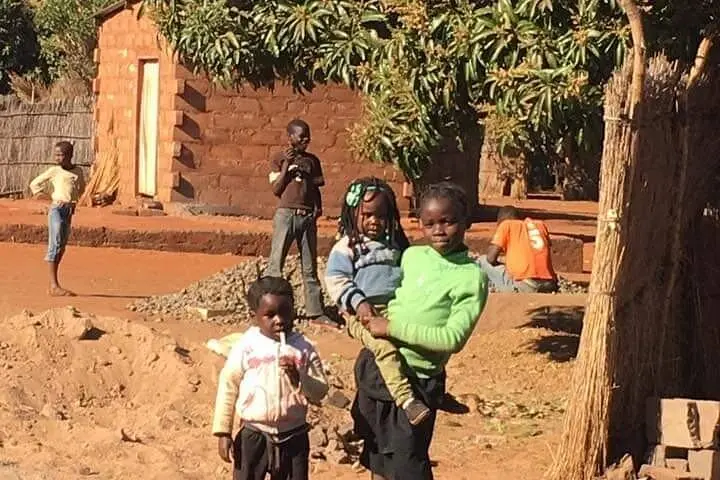

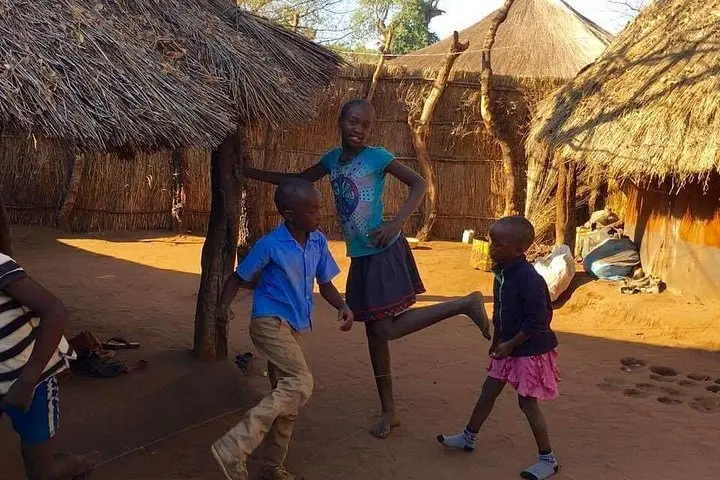
You step off the minivan and the village breathes around you: dry earth, a chorus of children, and smoke from open hearths that tugs at the air. The guide leads a low-walled path past mud-and-thatch compounds while elders pause to greet visitors; the royal palace sits a short walk away, its gates an active center of local rituals.
You step off the minivan and the village breathes around you: dry earth, a chorus of children, and smoke from open hearths that tugs at the air. The guide leads a low-walled path past mud-and-thatch compounds while elders pause to greet visitors; the royal palace sits a short walk away, its gates an active center of local rituals.
This area of Southern Province is home to Tonga and Lozi cultural influences; settlements follow patterns that reflect seasonal river shifts and traditional cattle-keeping. The soil here tells its own story—sandy loams formed by the nearby Zambezi’s long drainage, and koppies of older basalt that punctuate the horizon. Crafts sold in the market use local reeds, beads, and hardwoods; each design often carries a clan or ceremonial meaning.
The visit balances observation and participation: tasting staple dishes, watching basket weavers set reed, and touring the palace compound while a custodian explains lineage and local governance. Expect open courtyards, simple architecture, and the close hum of village life—domestic cattle graze, and acacia trees keep watch.
Practical guidance: the tour is short (about three hours) and involves easy walking on uneven surfaces—sturdy, closed shoes and a sun hat are recommended. Carry small-denomination cash for purchases and modest clothing out of cultural respect. Photography is welcome but ask before shooting people. Hydrate early; bottled water is typically provided but bring a reusable bottle if you prefer. Morning visits are cooler and quieter; afternoons bring stronger sun and more activity as residents return from fields.