THE ADVENTURE COLLECTIVE® · Independent discovery and booking for outdoor travel

Cross from Zagreb into Slovenia for a single-day circuit of Ljubljana’s compact historic center and the glacial emerald of Lake Bled. See castle cliffs, ride a traditional pletna to the island, and sample local cuisine — all in a well-paced 10-hour outing.
Cross from Zagreb into Slovenia for a single-day circuit of Ljubljana’s compact historic center and the glacial emerald of Lake Bled. See castle cliffs, ride a traditional pletna to the island, and sample local cuisine — all in a well-paced 10-hour outing.
A cold morning on the A2 motorway gives way to limestone peaks as the bus slips into Slovenia; by mid-morning the Ljubljanica River threads beneath arched bridges and the city breathes history into the street. Travelers step out to walk cobbled lanes, the castle keeping watch on the hill while dragon motifs peer from bridges, and later the road unfurls toward an emerald bowl where Lake Bled sits like a challenge to be explored.
Verified experiences and guided adventures in the surrounding area.
Operated by Traveljaz · Bled, Gorenjska
A cold morning on the A2 motorway gives way to limestone peaks as the bus slips into Slovenia; by mid-morning the Ljubljanica River threads beneath arched bridges and the city breathes history into the street. Travelers step out to walk cobbled lanes, the castle keeping watch on the hill while dragon motifs peer from bridges, and later the road unfurls toward an emerald bowl where Lake Bled sits like a challenge to be explored.
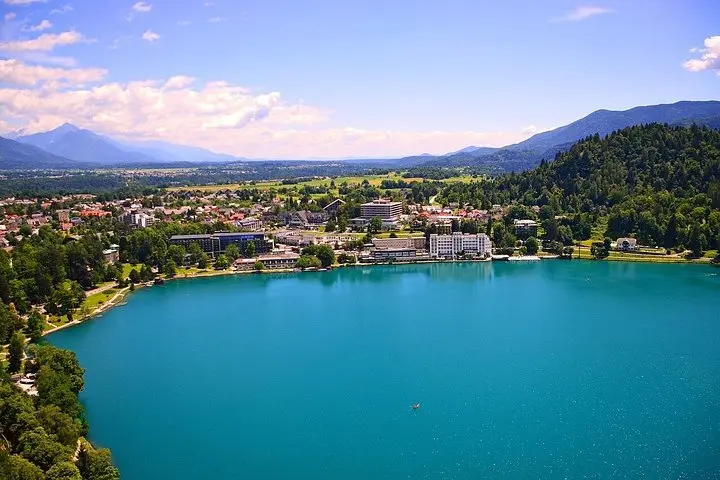
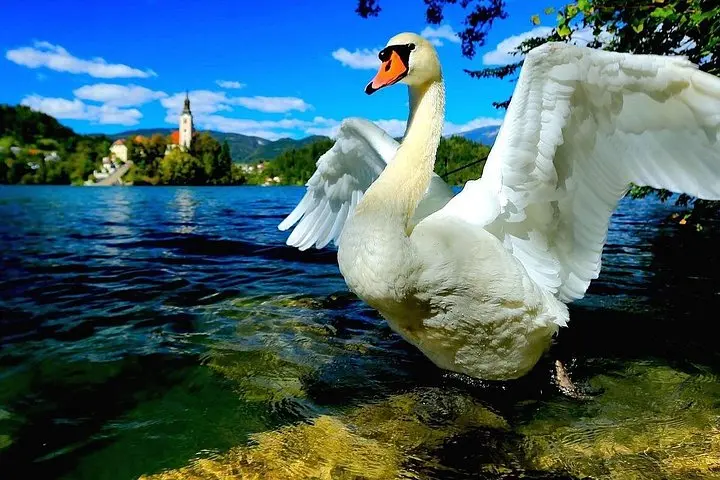
Ljubljana grew from the Roman settlement of Emona and was reshaped in the 20th century by architect Jože Plečnik; its compact center is easy walking and rich in cafés. Bled’s basin is a glacial lake carved by the Julian Alps—max depth roughly 30 meters—with a medieval castle perched on a 130-meter cliff and a tiny island reached by traditional wooden pletna boats. Expect views of limestone ridges, sheer cliff faces, and the lake that seems to tug at visitors to come closer.
Practically: the full loop — Zagreb → Ljubljana (≈1.5–2 hrs) → Bled (≈1 hr) → return — runs about 10 hours. Wear grippy shoes for castle stairs and island steps; bring a passport for the border and a few euros for cafés and the pletna. Allow 2 hours in Ljubljana to cover the Old Town and castle approach, and 2–3 hours at Bled to take a pletna, climb to the castle, and try kremšnita at a lakefront café. Hydrate, plan for variable alpine weather with layers, and book in advance during summer peak — the lake and island attract steady crowds.
Yes—passports are required at the border; travelers from outside Schengen should confirm visa requirements before booking.
Pletna rides are typically paid locally and not always included in tour prices; check the itinerary or ask the guide on the day.
Expect a few hours of easy–moderate walking: city pavements, castle stairs (short but steep), and flat lakefront paths.
Lunch is usually not included; guides will recommend local restaurants where you can try Slovenian specialties like kremšnita and hearty stews.
Traveljaz operates guided outdoor trips and adventures with an emphasis on safety, stewardship, and memorable experiences.
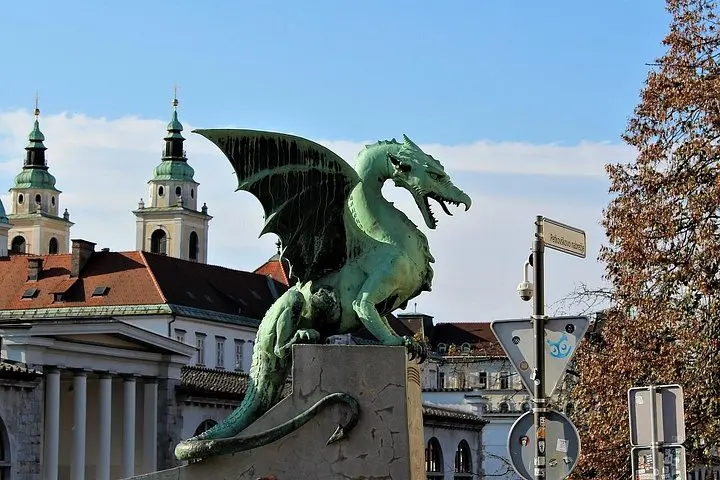
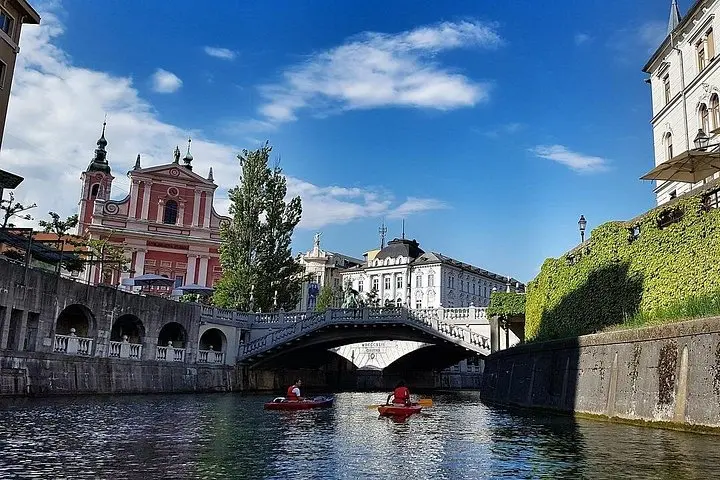
A cold morning on the A2 motorway gives way to limestone peaks as the bus slips into Slovenia; by mid-morning the Ljubljanica River threads beneath arched bridges and the city breathes history into the street. Travelers step out to walk cobbled lanes, the castle keeping watch on the hill while dragon motifs peer from bridges, and later the road unfurls toward an emerald bowl where Lake Bled sits like a challenge to be explored.
A cold morning on the A2 motorway gives way to limestone peaks as the bus slips into Slovenia; by mid-morning the Ljubljanica River threads beneath arched bridges and the city breathes history into the street. Travelers step out to walk cobbled lanes, the castle keeping watch on the hill while dragon motifs peer from bridges, and later the road unfurls toward an emerald bowl where Lake Bled sits like a challenge to be explored.
Ljubljana grew from the Roman settlement of Emona and was reshaped in the 20th century by architect Jože Plečnik; its compact center is easy walking and rich in cafés. Bled’s basin is a glacial lake carved by the Julian Alps—max depth roughly 30 meters—with a medieval castle perched on a 130-meter cliff and a tiny island reached by traditional wooden pletna boats. Expect views of limestone ridges, sheer cliff faces, and the lake that seems to tug at visitors to come closer.
Practically: the full loop — Zagreb → Ljubljana (≈1.5–2 hrs) → Bled (≈1 hr) → return — runs about 10 hours. Wear grippy shoes for castle stairs and island steps; bring a passport for the border and a few euros for cafés and the pletna. Allow 2 hours in Ljubljana to cover the Old Town and castle approach, and 2–3 hours at Bled to take a pletna, climb to the castle, and try kremšnita at a lakefront café. Hydrate, plan for variable alpine weather with layers, and book in advance during summer peak — the lake and island attract steady crowds.