THE ADVENTURE COLLECTIVE® · Independent discovery and booking for outdoor travel

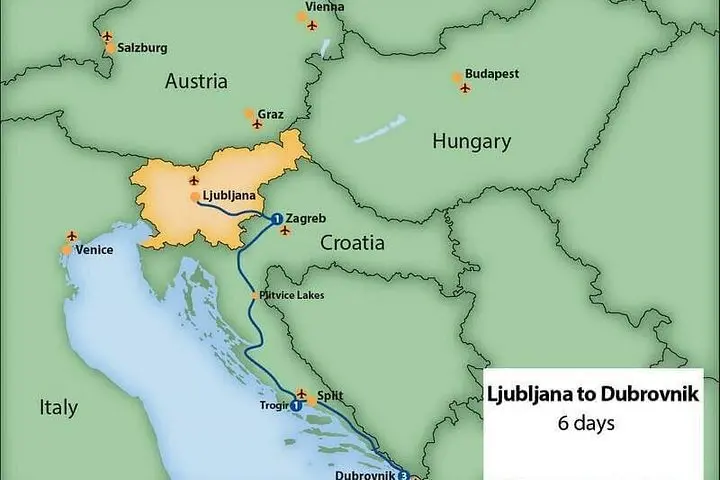
A private six-day road tour from Ljubljana to Dubrovnik that pairs Zagreb’s city pulse with Plitvice’s cascading lakes, Split’s Roman streets and Dubrovnik’s medieval walls. Practical, guided, and paced for travelers who want big sights with local context.
A private six-day road tour from Ljubljana to Dubrovnik that pairs Zagreb’s city pulse with Plitvice’s cascading lakes, Split’s Roman streets and Dubrovnik’s medieval walls. Practical, guided, and paced for travelers who want big sights with local context.
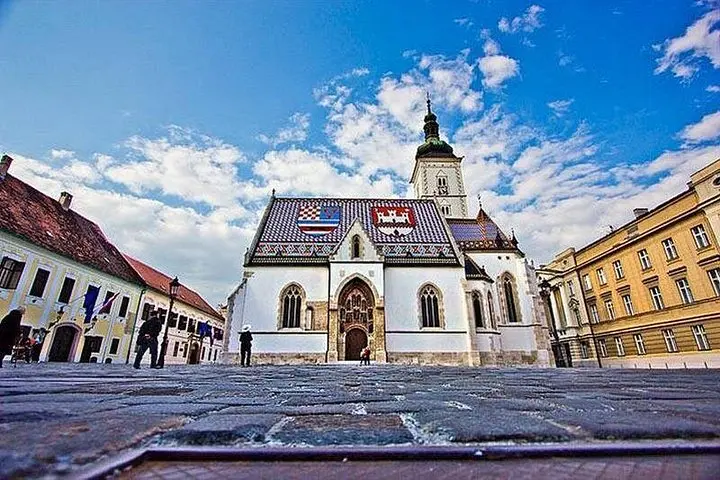
On the first morning the van pulls away from Ljubljana’s baroque facades and the city recedes into a green chiaroscuro of hills and vineyards. The road keeps you honest — a living map that moves from Slovenian calm into Croatian pulse — and by the time you reach Zagreb the city’s layered squares and a short-but-steep funicular tell you the story of a capital that grew around commerce, ceremony and a cannon that fires at noon.
Verified experiences and guided adventures in the surrounding area.
Operated by Go To Slovenia Travel · Dubrovnik, Dubrovnik-Neretva County
On the first morning the van pulls away from Ljubljana’s baroque facades and the city recedes into a green chiaroscuro of hills and vineyards. The road keeps you honest — a living map that moves from Slovenian calm into Croatian pulse — and by the time you reach Zagreb the city’s layered squares and a short-but-steep funicular tell you the story of a capital that grew around commerce, ceremony and a cannon that fires at noon.
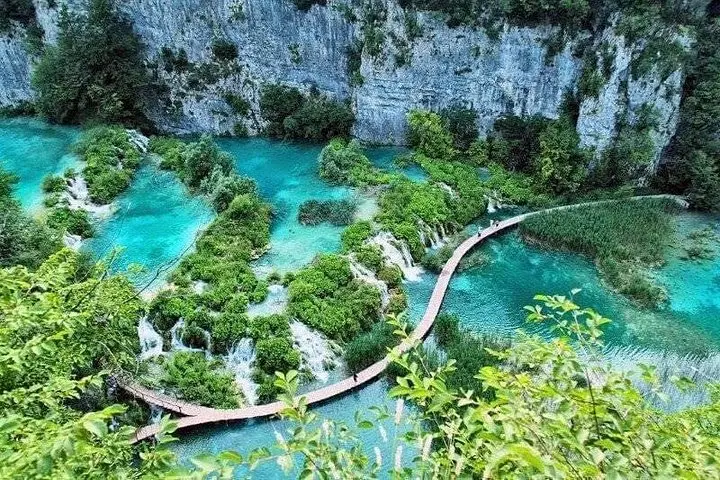
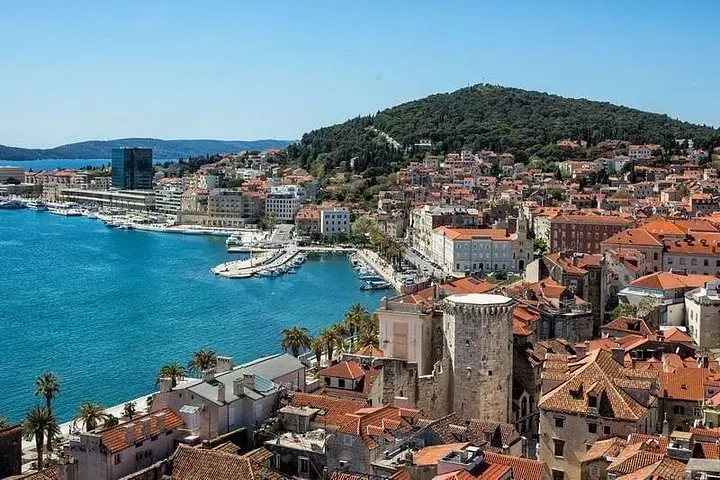
This private, six-day itinerary stitches together Croatia’s essential scenes: an escorted walking tour of Zagreb; a 3–4 hour hike across Plitvice Lakes’ timber boardwalks (roughly 4–6 km with about 100 m cumulative ascent); a guided exploration of Split’s living Roman ruin — Diocletian’s Palace — and the medieval bastions and 1.2 km-long city walls of Dubrovnik.
Plitvice is the geology lesson: travertine dams that build themselves from mineral-laden water, carving cascades and turquoise basins over millenia. Walk slowly and the forest changes its voice — water dares you with rushes and pools hold the sky. In Split, Roman engineering meets Dalmatian daily life; locals shop Pazar stalls that have fed generations. Dubrovnik’s walls read like a coastal autobiography, each bastion a paragraph on defense and maritime trade under Venetian sway.
The tour includes five nights in first-class hotels (Zagreb, Trogir, Dubrovnik), breakfasts and two dinners, an AC vehicle and local guides who thread history and practical direction through the days. Optional side trips include a short cruise to Our Lady of the Rocks in Boka Bay and an excursion into Montenegro — passport in hand — if you choose.
Practical edge: plan for cobbles and boardwalks more than steep climbs. Comfortable walking shoes with grip, a light rain jacket, and a daypack will carry you through sudden coastal breezes and microclimates between inland lakes and Adriatic shore. Hydrate on hikes; bottled water is widely available but bring a refillable bottle to reduce plastic. Border crossings are smooth but can add time — keep passports and any necessary visas accessible.
Timing matters: Plitvice is most forgiving early in the morning before tour buses arrive; Dubrovnik rewards late afternoon light on the walls when the crowds thin. If you’re photographing, aim for sunrise at Plitvice and golden hour on the Dubrovnik ramparts.
For travelers who want a compact, curated sweep of the Adriatic’s highlights, this private tour balances history, nature and coastal culture with the logistics already sorted — a road that reads like a well-edited guidebook and an invitation to explore on foot.
Pickup can be arranged from Ljubljana and many nearby hotels; the operator will confirm specific pickup location after booking.
The park visit is typically a 3–4 hour walk covering 4–6 km on timber boardwalks with modest elevation gain.
Plitvice admission is included; some museum entries or optional excursions (e.g., Montenegro cruise) may be extra.
Yes — the itinerary is family-friendly, though some parts involve stairs and long walks; infant seats are available in vehicles.
Local guides generally speak English; other languages may be available on request if arranged in advance.
The tour operates in most weather; however, some activities like cruises may be rescheduled and the cancellation policy is strict (all sales final).
Go To Slovenia Travel operates guided outdoor trips and adventures with an emphasis on safety, stewardship, and memorable experiences.
On the first morning the van pulls away from Ljubljana’s baroque facades and the city recedes into a green chiaroscuro of hills and vineyards. The road keeps you honest — a living map that moves from Slovenian calm into Croatian pulse — and by the time you reach Zagreb the city’s layered squares and a short-but-steep funicular tell you the story of a capital that grew around commerce, ceremony and a cannon that fires at noon.
On the first morning the van pulls away from Ljubljana’s baroque facades and the city recedes into a green chiaroscuro of hills and vineyards. The road keeps you honest — a living map that moves from Slovenian calm into Croatian pulse — and by the time you reach Zagreb the city’s layered squares and a short-but-steep funicular tell you the story of a capital that grew around commerce, ceremony and a cannon that fires at noon.
This private, six-day itinerary stitches together Croatia’s essential scenes: an escorted walking tour of Zagreb; a 3–4 hour hike across Plitvice Lakes’ timber boardwalks (roughly 4–6 km with about 100 m cumulative ascent); a guided exploration of Split’s living Roman ruin — Diocletian’s Palace — and the medieval bastions and 1.2 km-long city walls of Dubrovnik.
Plitvice is the geology lesson: travertine dams that build themselves from mineral-laden water, carving cascades and turquoise basins over millenia. Walk slowly and the forest changes its voice — water dares you with rushes and pools hold the sky. In Split, Roman engineering meets Dalmatian daily life; locals shop Pazar stalls that have fed generations. Dubrovnik’s walls read like a coastal autobiography, each bastion a paragraph on defense and maritime trade under Venetian sway.
The tour includes five nights in first-class hotels (Zagreb, Trogir, Dubrovnik), breakfasts and two dinners, an AC vehicle and local guides who thread history and practical direction through the days. Optional side trips include a short cruise to Our Lady of the Rocks in Boka Bay and an excursion into Montenegro — passport in hand — if you choose.
Practical edge: plan for cobbles and boardwalks more than steep climbs. Comfortable walking shoes with grip, a light rain jacket, and a daypack will carry you through sudden coastal breezes and microclimates between inland lakes and Adriatic shore. Hydrate on hikes; bottled water is widely available but bring a refillable bottle to reduce plastic. Border crossings are smooth but can add time — keep passports and any necessary visas accessible.
Timing matters: Plitvice is most forgiving early in the morning before tour buses arrive; Dubrovnik rewards late afternoon light on the walls when the crowds thin. If you’re photographing, aim for sunrise at Plitvice and golden hour on the Dubrovnik ramparts.
For travelers who want a compact, curated sweep of the Adriatic’s highlights, this private tour balances history, nature and coastal culture with the logistics already sorted — a road that reads like a well-edited guidebook and an invitation to explore on foot.