THE ADVENTURE COLLECTIVE® · Independent discovery and booking for outdoor travel

A focused two-hour private walk through Ljubljana’s dragon-haunted streets, from the iconic Dragon Bridge to Tivoli Park and Roznik Hill. Learn how myth, architecture and civic pride shaped the city’s most visible beasts.
A focused two-hour private walk through Ljubljana’s dragon-haunted streets, from the iconic Dragon Bridge to Tivoli Park and Roznik Hill. Learn how myth, architecture and civic pride shaped the city’s most visible beasts.
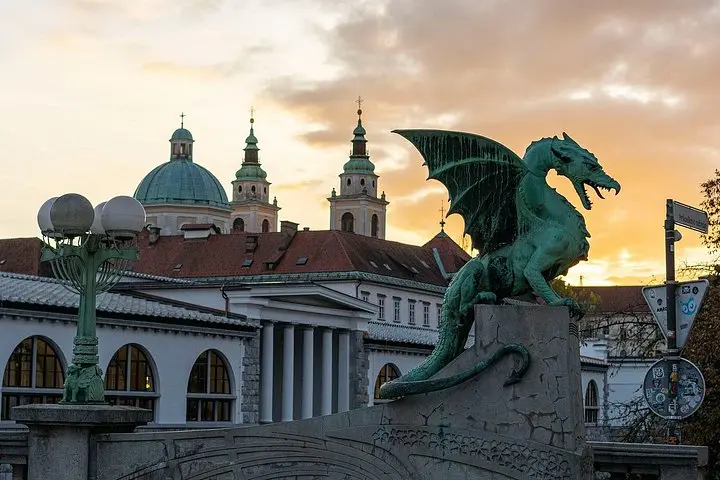
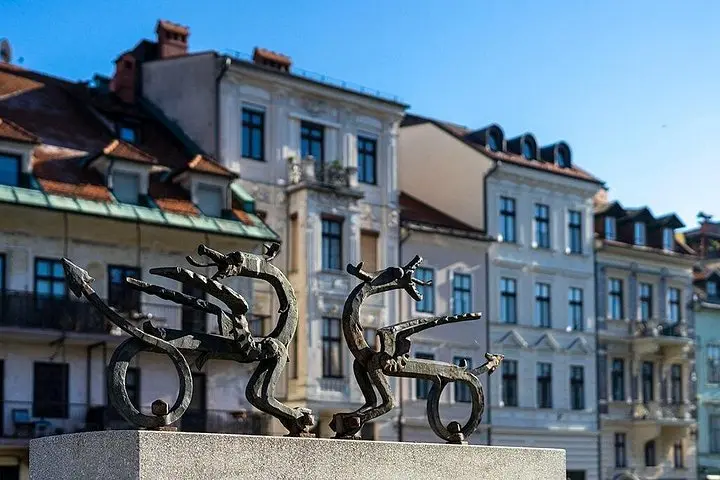
The cobbled bank of the Ljubljanica opens like a stage: bronze dragons stare across the water, tram lines hum, and a guide points out a carved reptile peering from a cornice. You begin at Dragon Bridge, where the creatures crowd the parapet and the city’s emblem — a single, watchful dragon — still sparks debate over whether it protects or provokes.
Verified experiences and guided adventures in the surrounding area.
Operated by Slovenia in colours · Ljubljana, Central Slovenia
The cobbled bank of the Ljubljanica opens like a stage: bronze dragons stare across the water, tram lines hum, and a guide points out a carved reptile peering from a cornice. You begin at Dragon Bridge, where the creatures crowd the parapet and the city’s emblem — a single, watchful dragon — still sparks debate over whether it protects or provokes.
This compact walk threads through layers of history. Medieval legends met Habsburg urbanism and 20th-century Art Nouveau here; the Dragon Bridge itself is an early reinforced-concrete structure, its four winged beasts products of civic pride from the 1900s. A short detour takes you toward Tivoli Park, Ljubljana’s largest green space shaped by landscaped alleys and 19th-century garden design, and up toward Roznik Hill for a low ridge view above the city.
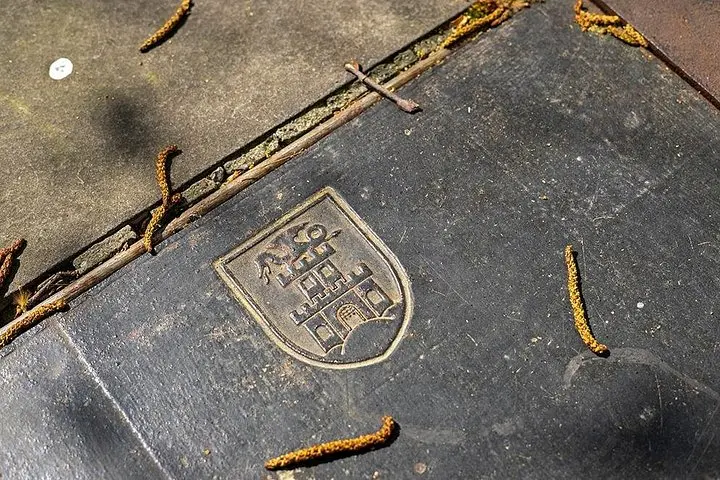
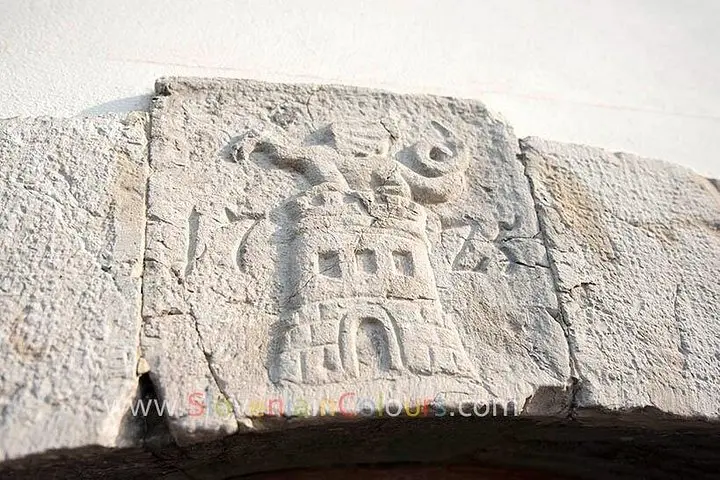
Culturally, dragons are both myth and marketing: they appear in folk tales, the municipal coat of arms, and in the city’s modern identity. Geology matters too — the Ljubljanica carves through younger alluvial deposits, which is why bridges and embankments are focal features of urban life.
Practical notes: this is a primarily flat, wheelchair-accessible two-hour private walking tour suitable for most fitness levels. Expect short stops at sculptural details and a longer conversation about symbolism and local lore; travel light, bring weather-layered clothing, and allow time for photos on the bridge and a coffee by the river.
Timing the tour for morning or late afternoon keeps crowds manageable; in winter, shorter daylight and slick stone demand caution. Guides commonly share tips on nearby galleries and routes up Roznik if you want to extend the outing.
Yes—this itinerary and its meeting points are wheelchair accessible and suitable for stroller users.
The scheduled tour is two hours and primarily flat; it’s rated easy and suitable for most physical abilities.
Yes—the tour stops at Dragon Bridge and other dragon motifs, with time for photos and explanations of history and symbolism.
Guides are local and typically offer tips on nearby cafés, museums, and how to extend your visit to Tivoli Park or Roznik Hill.
Slovenia in colours operates guided outdoor trips and adventures with an emphasis on safety, stewardship, and memorable experiences.
The cobbled bank of the Ljubljanica opens like a stage: bronze dragons stare across the water, tram lines hum, and a guide points out a carved reptile peering from a cornice. You begin at Dragon Bridge, where the creatures crowd the parapet and the city’s emblem — a single, watchful dragon — still sparks debate over whether it protects or provokes.
The cobbled bank of the Ljubljanica opens like a stage: bronze dragons stare across the water, tram lines hum, and a guide points out a carved reptile peering from a cornice. You begin at Dragon Bridge, where the creatures crowd the parapet and the city’s emblem — a single, watchful dragon — still sparks debate over whether it protects or provokes.
This compact walk threads through layers of history. Medieval legends met Habsburg urbanism and 20th-century Art Nouveau here; the Dragon Bridge itself is an early reinforced-concrete structure, its four winged beasts products of civic pride from the 1900s. A short detour takes you toward Tivoli Park, Ljubljana’s largest green space shaped by landscaped alleys and 19th-century garden design, and up toward Roznik Hill for a low ridge view above the city.
Culturally, dragons are both myth and marketing: they appear in folk tales, the municipal coat of arms, and in the city’s modern identity. Geology matters too — the Ljubljanica carves through younger alluvial deposits, which is why bridges and embankments are focal features of urban life.
Practical notes: this is a primarily flat, wheelchair-accessible two-hour private walking tour suitable for most fitness levels. Expect short stops at sculptural details and a longer conversation about symbolism and local lore; travel light, bring weather-layered clothing, and allow time for photos on the bridge and a coffee by the river.
Timing the tour for morning or late afternoon keeps crowds manageable; in winter, shorter daylight and slick stone demand caution. Guides commonly share tips on nearby galleries and routes up Roznik if you want to extend the outing.