THE ADVENTURE COLLECTIVE® · Independent discovery and booking for outdoor travel

A two-day llama-supported trek from Cusco to Huchuy Qosqo that blends high Andean passes, Inca paths and a homestay in Lamay. Expect a full day of hiking through puna landscapes and cultural exchanges with local families.
A two-day llama-supported trek from Cusco to Huchuy Qosqo that blends high Andean passes, Inca paths and a homestay in Lamay. Expect a full day of hiking through puna landscapes and cultural exchanges with local families.
You begin before dawn in Cusco, the minibus rumbling out across terraced slopes as light pries at the horizon. By Taucca, the air is thin and dry; lamas wait like patient freight, ready to shoulder kit while you shoulder the rhythm of the trail. The first steps rise through fields of quinoa and native tubers, then steepen toward a high puna pass where ichu grass waves and the Vilcabamba peaks hold a steady, wind-etched watch.
Verified experiences and guided adventures in the surrounding area.
Operated by Homestay Journey · Lamay, Cusco
You begin before dawn in Cusco, the minibus rumbling out across terraced slopes as light pries at the horizon. By Taucca, the air is thin and dry; lamas wait like patient freight, ready to shoulder kit while you shoulder the rhythm of the trail. The first steps rise through fields of quinoa and native tubers, then steepen toward a high puna pass where ichu grass waves and the Vilcabamba peaks hold a steady, wind-etched watch.
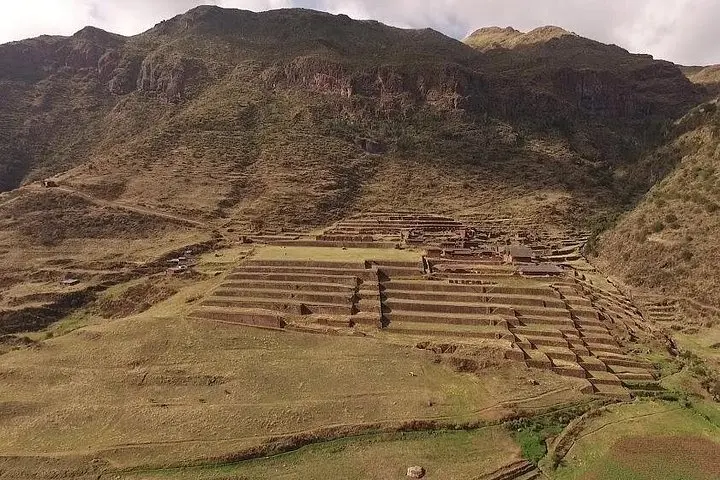
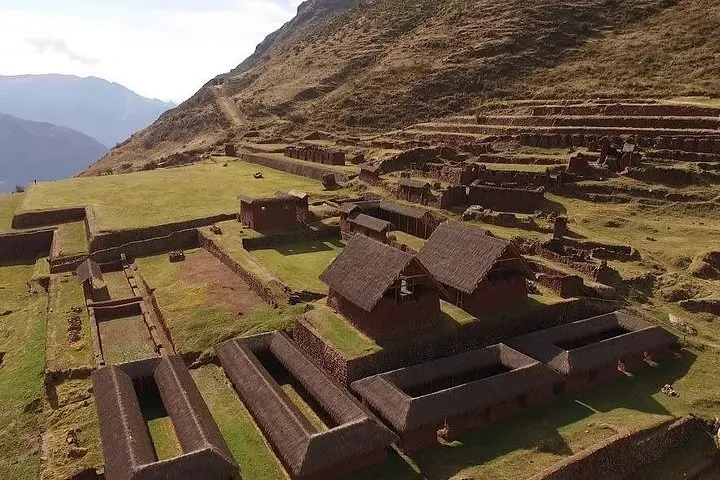
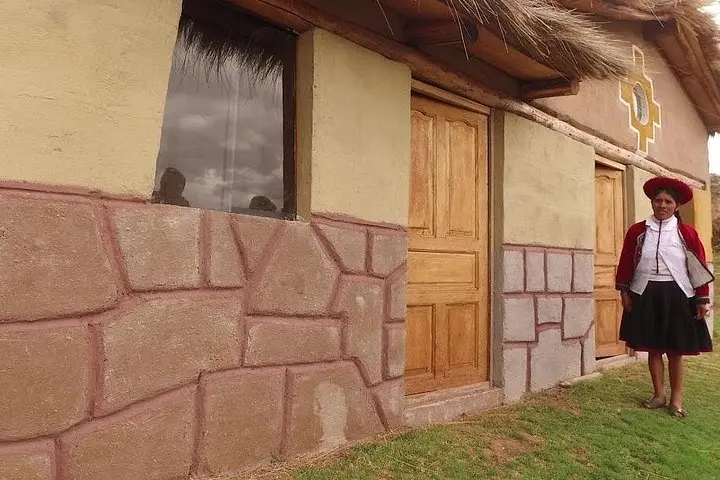
Huchuy Qosqo—“Small Cusco”—is an Inca outpost on a plateau above the Sacred Valley. The ruins and narrow Inca paths hug red-hued cliffs at Puca Marka and thread across a canyon called Puma Punku, where fractured volcanic layers and river-cut ravines reveal the region’s tectonic history. Local families continue traditional weaving and farming here; evenings are spent sharing soups, stories and demonstrations of Andean instruments that echo old ceremonial rhythms.
Practical guidance: expect 6–7 hours of walking on day one, roughly 10 km with a 550–650 m elevation gain to the pass, then a descent to 3,200 m. Bring layered clothing for cold, wind and strong sun, and plan for dry conditions outside the December–March rains. The homestay offers simple shared-bath accommodations and cooked local meals—pack light (about 5 kg allowed for lamas) and carry essentials in a daypack.
Timing your trek in the morning avoids afternoon winds; keep slow and steady at altitude, hydrate frequently, and respect local customs when visiting family homes and archaeological sites.
The trail is moderate but altitude increases effort—expect steep sections to 4,250 m; take frequent breaks and monitor for symptoms of AMS.
Porters and lamas carry group gear and personal bags; travelers can put about 5 kg in the lama allowance—pack light and compress items.
Yes—breakfast, lunch and dinner are provided and you stay overnight in a local family homestay with shared bathroom facilities.
This trek is not recommended for pregnant travelers and requires moderate fitness; children may manage with experience but check with the operator first.
Homestay Journey operates guided outdoor trips and adventures with an emphasis on safety, stewardship, and memorable experiences.
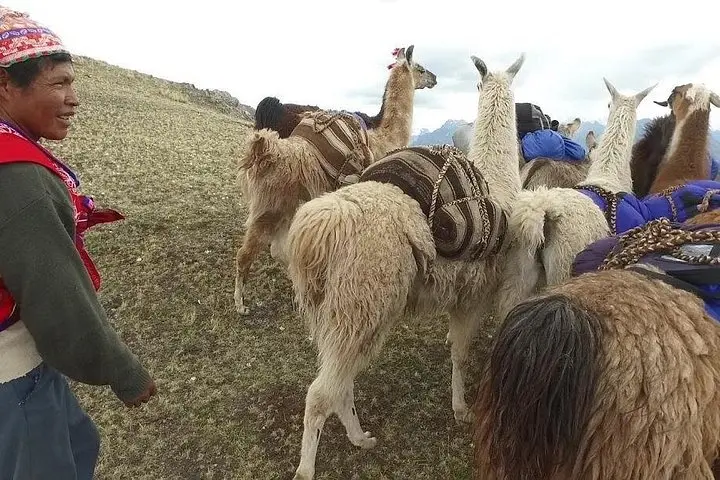
You begin before dawn in Cusco, the minibus rumbling out across terraced slopes as light pries at the horizon. By Taucca, the air is thin and dry; lamas wait like patient freight, ready to shoulder kit while you shoulder the rhythm of the trail. The first steps rise through fields of quinoa and native tubers, then steepen toward a high puna pass where ichu grass waves and the Vilcabamba peaks hold a steady, wind-etched watch.
You begin before dawn in Cusco, the minibus rumbling out across terraced slopes as light pries at the horizon. By Taucca, the air is thin and dry; lamas wait like patient freight, ready to shoulder kit while you shoulder the rhythm of the trail. The first steps rise through fields of quinoa and native tubers, then steepen toward a high puna pass where ichu grass waves and the Vilcabamba peaks hold a steady, wind-etched watch.
Huchuy Qosqo—“Small Cusco”—is an Inca outpost on a plateau above the Sacred Valley. The ruins and narrow Inca paths hug red-hued cliffs at Puca Marka and thread across a canyon called Puma Punku, where fractured volcanic layers and river-cut ravines reveal the region’s tectonic history. Local families continue traditional weaving and farming here; evenings are spent sharing soups, stories and demonstrations of Andean instruments that echo old ceremonial rhythms.
Practical guidance: expect 6–7 hours of walking on day one, roughly 10 km with a 550–650 m elevation gain to the pass, then a descent to 3,200 m. Bring layered clothing for cold, wind and strong sun, and plan for dry conditions outside the December–March rains. The homestay offers simple shared-bath accommodations and cooked local meals—pack light (about 5 kg allowed for lamas) and carry essentials in a daypack.
Timing your trek in the morning avoids afternoon winds; keep slow and steady at altitude, hydrate frequently, and respect local customs when visiting family homes and archaeological sites.