THE ADVENTURE COLLECTIVE® · Independent discovery and booking for outdoor travel

Spend a day in Lobamba, Eswatini’s cultural core: visit ceramic artisans, a lively produce market, the National Museum, a local school and a homestead lunch. Expect meaningful local interaction, market bargaining and hands-on cultural exchange.
Spend a day in Lobamba, Eswatini’s cultural core: visit ceramic artisans, a lively produce market, the National Museum, a local school and a homestead lunch. Expect meaningful local interaction, market bargaining and hands-on cultural exchange.
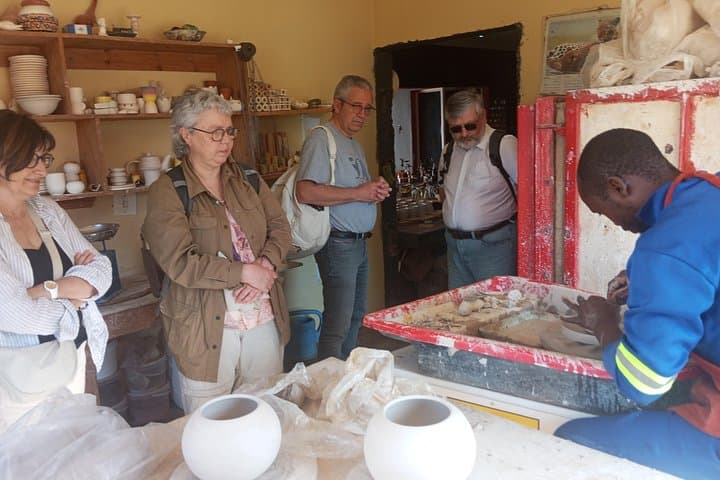
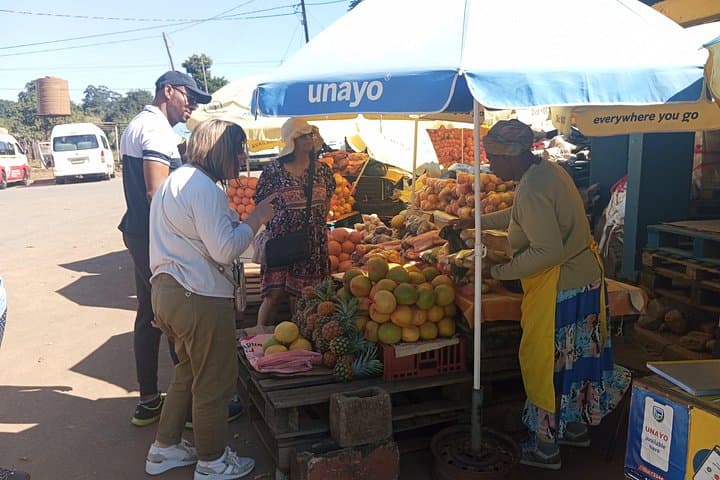
Morning light spills over low ridges as the day’s vehicle pulls into Lobamba, the royal and cultural heartland a short drive from Mbabane. Guests step out into a market of clay, color and conversation — artisans shaping mugs with the same steady hands their grandparents taught them, vendors calling the ripest mangoes forward, children trailing the route with bright curiosity.
Verified experiences and guided adventures in the surrounding area.
Operated by Possible KaNgwane Travel and Tours · Mbabane, Hhohho
Morning light spills over low ridges as the day’s vehicle pulls into Lobamba, the royal and cultural heartland a short drive from Mbabane. Guests step out into a market of clay, color and conversation — artisans shaping mugs with the same steady hands their grandparents taught them, vendors calling the ripest mangoes forward, children trailing the route with bright curiosity.
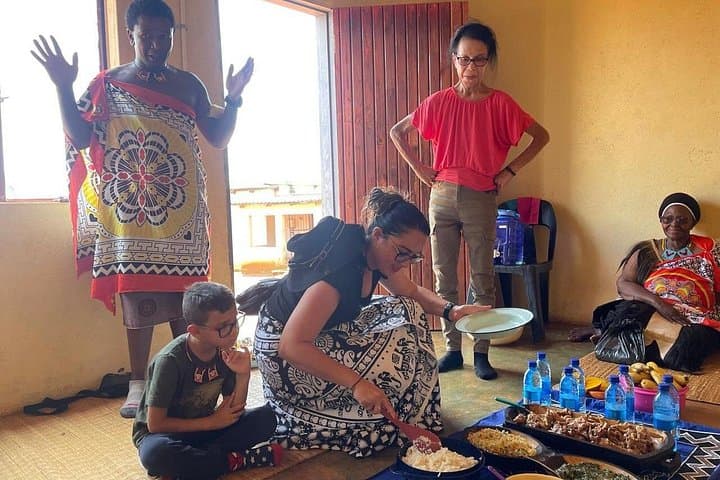
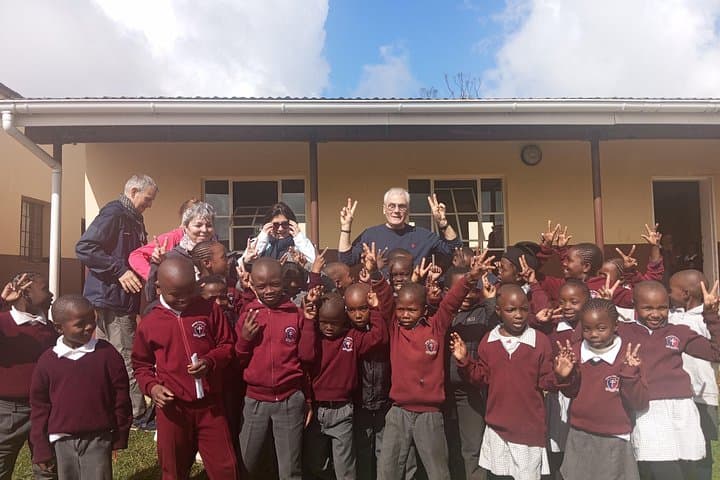
The itinerary threads culture and local life: a ceramic market where techniques are passed down through generations, the Eswatini National Museum with exhibits on kingdom history and traditional crafts, a bustling produce market in Mahlanya, a visit to a primary school, and a homestead lunch that serves simple SiSwati dishes. The landscape here is modest hills of grassland and granite outcrops—geology that shaped settlement patterns and agricultural plots—and Lobamba’s role as ceremonial center gives context to every song and dance.
Expect practical, human moments: hands-on pottery demonstrations, polite photo requests, and an invitation to learn a few SiSwati phrases. Guides explain cultural etiquette, and small-group timing leaves room for conversation and questions.
Plan for a 4–8 hour day with hotel pickup in an air-conditioned vehicle. Bring cash for market purchases and the museum entry (approximately ZAR 50), wear comfortable shoes for walking on uneven village paths, and pack sun protection and water. Photography is welcome but always ask first; gifts or school supplies are appreciated but coordinate with the guide. This tour delivers direct cultural exchange—less a performance, more a day lived alongside local hosts.
Pick-up typically begins at 8:00 AM from designated hotels or lodges; transfer in an air-conditioned vehicle is included.
The tour is family-friendly and children are welcome; some sites are not wheelchair-accessible but guides can assist where feasible—notify the operator in advance.
A traditional SiSwati lunch at a homestead is included; advise the operator of dietary restrictions during booking.
Shared tours can have up to 40 travelers; tours are conducted in English and French, and can be customized on request.
Possible KaNgwane Travel and Tours operates guided outdoor trips and adventures with an emphasis on safety, stewardship, and memorable experiences.
Morning light spills over low ridges as the day’s vehicle pulls into Lobamba, the royal and cultural heartland a short drive from Mbabane. Guests step out into a market of clay, color and conversation — artisans shaping mugs with the same steady hands their grandparents taught them, vendors calling the ripest mangoes forward, children trailing the route with bright curiosity.
Morning light spills over low ridges as the day’s vehicle pulls into Lobamba, the royal and cultural heartland a short drive from Mbabane. Guests step out into a market of clay, color and conversation — artisans shaping mugs with the same steady hands their grandparents taught them, vendors calling the ripest mangoes forward, children trailing the route with bright curiosity.
The itinerary threads culture and local life: a ceramic market where techniques are passed down through generations, the Eswatini National Museum with exhibits on kingdom history and traditional crafts, a bustling produce market in Mahlanya, a visit to a primary school, and a homestead lunch that serves simple SiSwati dishes. The landscape here is modest hills of grassland and granite outcrops—geology that shaped settlement patterns and agricultural plots—and Lobamba’s role as ceremonial center gives context to every song and dance.
Expect practical, human moments: hands-on pottery demonstrations, polite photo requests, and an invitation to learn a few SiSwati phrases. Guides explain cultural etiquette, and small-group timing leaves room for conversation and questions.
Plan for a 4–8 hour day with hotel pickup in an air-conditioned vehicle. Bring cash for market purchases and the museum entry (approximately ZAR 50), wear comfortable shoes for walking on uneven village paths, and pack sun protection and water. Photography is welcome but always ask first; gifts or school supplies are appreciated but coordinate with the guide. This tour delivers direct cultural exchange—less a performance, more a day lived alongside local hosts.