THE ADVENTURE COLLECTIVE® · Independent discovery and booking for outdoor travel

Spend a day along the Great Glen, from Urquhart Castle’s ruined ramparts to the 4,000-year-old Clava Cairns and the moving slopes of Culloden. This full-day tour mixes accessible walks, whisky tasting and wildlife watching for a compact Highland primer.
Spend a day along the Great Glen, from Urquhart Castle’s ruined ramparts to the 4,000-year-old Clava Cairns and the moving slopes of Culloden. This full-day tour mixes accessible walks, whisky tasting and wildlife watching for a compact Highland primer.
You step out of Inverness with the Great Glen unfurling ahead — a long, glacial scar through the Highlands. The bus hums along Loch Ness, the water dark and watchful, and Urquhart Castle rises on the shore, its ruins cupped by the loch’s cool breath.
Verified experiences and guided adventures in the surrounding area.
Operated by GrandTours · Inverness, Highland
You step out of Inverness with the Great Glen unfurling ahead — a long, glacial scar through the Highlands. The bus hums along Loch Ness, the water dark and watchful, and Urquhart Castle rises on the shore, its ruins cupped by the loch’s cool breath.
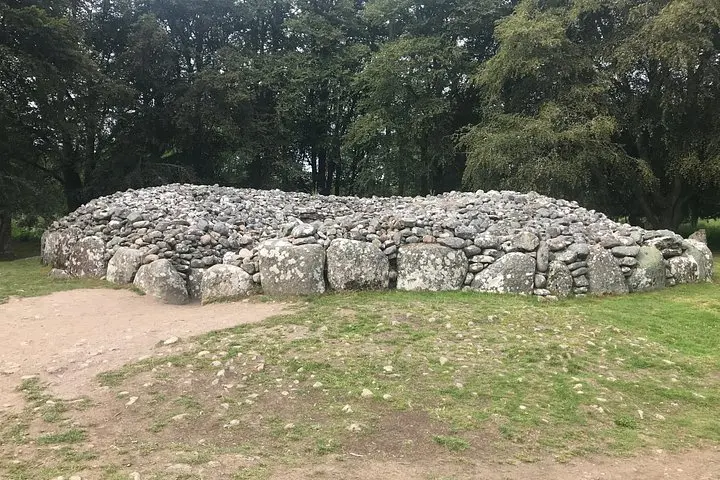
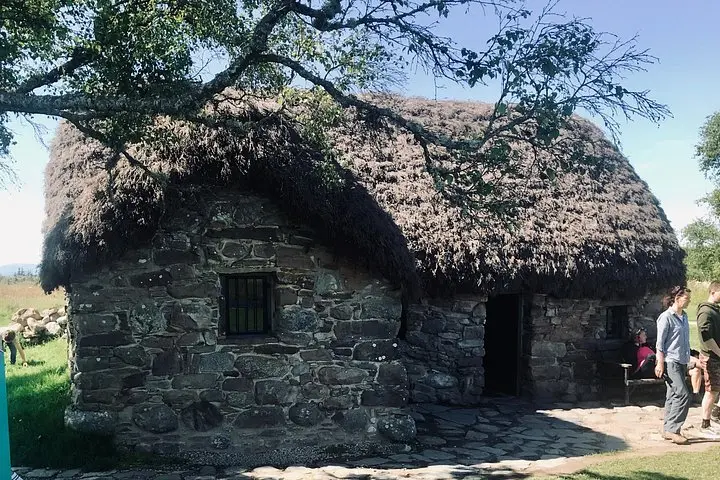
Geology here is visible at human scale: the Great Glen is a fault valley carved by ice and water, Loch Ness a 37-km ribbon of deep, freshwater shadow. Clava Cairns sits on Bronze Age ground — 4,000-year-old stone circles and burial cairns that hold a quiet, ceremonial geometry. Nearby Culloden Battlefield is raw and open; the gentle slopes where clansmen fell in 1746 are now marked by a modern visitor centre that frames the emotional landscape.
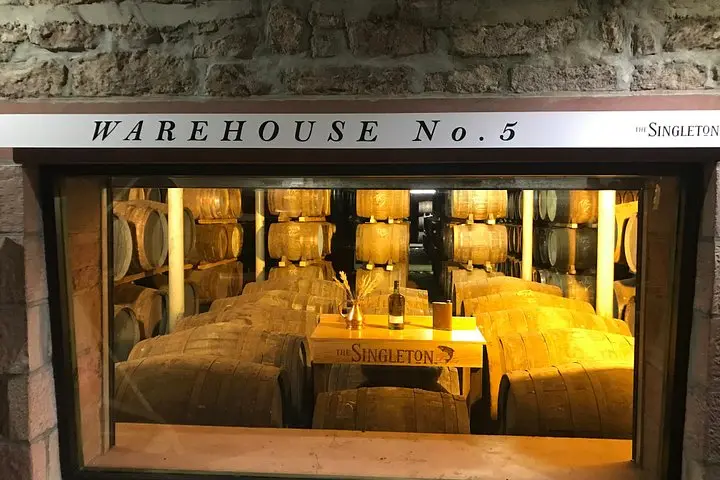
Culture arrives in distillery steam at Glen Ord, where three single malts illustrate local craft and water’s role in flavor. Coastal villages like Fortrose offer tidal drama — Chanonry Point is a reliable spot to scan for bottlenose dolphins riding the currents.
Practically: expect a full 7–8 hour day with multiple short walks (flat to gently uneven ground), roadside photo stops, and one sit-down lunch. Bring layered waterproofs, sturdy walking shoes, and a camera with a decent zoom for wildlife and castle details. Respect marked paths at archaeological and battlefield sites and allow time for the optional Urquhart admission and distillery tasting. The route privileges interpretation and ease over strenuous hiking, making it a good one-day overview of Highland geology, history and wildlife.
The tour runs about 7–8 hours and typically departs from or near Inverness with private transport between sites.
Admissions are optional and not included in the base price; tastings at Glen Ord are offered as an option.
Yes—this is advertised as suitable for all fitness levels, with mostly short, accessible walks; notify the operator of mobility needs when booking.
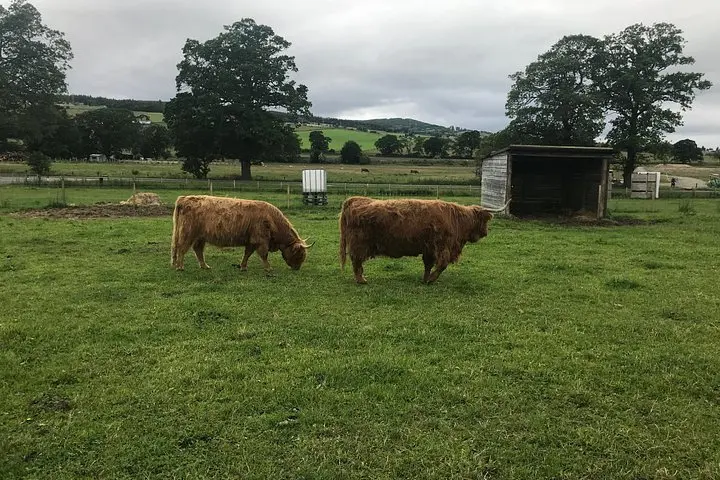
Expect coastal birds, waterfowl, and bottlenose dolphins at Chanonry Point; occasional red deer in more open areas.
GrandTours operates guided outdoor trips and adventures with an emphasis on safety, stewardship, and memorable experiences.
You step out of Inverness with the Great Glen unfurling ahead — a long, glacial scar through the Highlands. The bus hums along Loch Ness, the water dark and watchful, and Urquhart Castle rises on the shore, its ruins cupped by the loch’s cool breath.
You step out of Inverness with the Great Glen unfurling ahead — a long, glacial scar through the Highlands. The bus hums along Loch Ness, the water dark and watchful, and Urquhart Castle rises on the shore, its ruins cupped by the loch’s cool breath.
Geology here is visible at human scale: the Great Glen is a fault valley carved by ice and water, Loch Ness a 37-km ribbon of deep, freshwater shadow. Clava Cairns sits on Bronze Age ground — 4,000-year-old stone circles and burial cairns that hold a quiet, ceremonial geometry. Nearby Culloden Battlefield is raw and open; the gentle slopes where clansmen fell in 1746 are now marked by a modern visitor centre that frames the emotional landscape.
Culture arrives in distillery steam at Glen Ord, where three single malts illustrate local craft and water’s role in flavor. Coastal villages like Fortrose offer tidal drama — Chanonry Point is a reliable spot to scan for bottlenose dolphins riding the currents.
Practically: expect a full 7–8 hour day with multiple short walks (flat to gently uneven ground), roadside photo stops, and one sit-down lunch. Bring layered waterproofs, sturdy walking shoes, and a camera with a decent zoom for wildlife and castle details. Respect marked paths at archaeological and battlefield sites and allow time for the optional Urquhart admission and distillery tasting. The route privileges interpretation and ease over strenuous hiking, making it a good one-day overview of Highland geology, history and wildlife.