THE ADVENTURE COLLECTIVE® · Independent discovery and booking for outdoor travel

Chase the northern lights across the dramatic fjords of Lofoten on a four-hour small-group tour led by a local guide and photographer. Learn camera settings, tripod technique and local stories while the guide seeks the clearest skies for the best chances to see the aurora.
Chase the northern lights across the dramatic fjords of Lofoten on a four-hour small-group tour led by a local guide and photographer. Learn camera settings, tripod technique and local stories while the guide seeks the clearest skies for the best chances to see the aurora.
The minivan cuts through a dark ribbon of road; above, an oil-black sky begins to stir. You step out onto gravel with a photographer who points to a faint green sweep that seems to breathe over craggy peaks and fjord water. The air bites, but the silence lets the aurora take center stage.
Verified experiences and guided adventures in the surrounding area.
Operated by Lofoten Lights · Svolvær, Nordland
The minivan cuts through a dark ribbon of road; above, an oil-black sky begins to stir. You step out onto gravel with a photographer who points to a faint green sweep that seems to breathe over craggy peaks and fjord water. The air bites, but the silence lets the aurora take center stage.
The Lofoten archipelago is carved from ancient gabbro and granite; its steep ridges drop into fjords that reflect the sky. Fishing has shaped local life for centuries—rorbuer and drying racks are reminders of cod fisheries that built coastal culture. The aurora itself wove into Sami oral traditions and Norse stories, and today local guides pair folklore with the science of solar wind and magnetism when explaining why curtains of light appear.
This small-group, four-hour outing moves to darker pockets of the islands based on weather, maximizing viewing windows. A professional photographer teaches framing, exposure and tripod technique, then shares edited images after the tour. Expect short walks from parking spots and plenty of time watching the sky, not strenuous hiking.
Practical edge: dress in insulating layers, bring a windproof shell and insulated boots, and carry a headlamp with a red mode for night vision. If you photograph, use a sturdy tripod, wide aperture and long exposures; set your camera to manual and start at ISO 800–1600, 8–20 seconds depending on activity. Tours run in the darker months—check local sunset and polar-night schedules to plan arrival and departures from Svolvær. Leave lights low, respect private property and follow the guide’s local knowledge to improve your chance of a memorable capture.
Guides increase your odds by tracking local weather and moving to darker locations, but sightings depend on solar activity and clear skies; no sighting is guaranteed.
Yes—children must be accompanied by an adult; the tour involves minimal walking but extended cold exposure, so bring appropriate clothing for kids.
Yes—a professional photographer teaches tripod setup, framing and exposure settings, and the tour provider sends edited photos to participants after the trip.
Tours can be canceled for poor weather; check the provider’s cancellation policy—typically full refunds if canceled at least 24 hours in advance or if conditions make the tour unsafe.
Lofoten Lights operates guided outdoor trips and adventures with an emphasis on safety, stewardship, and memorable experiences.
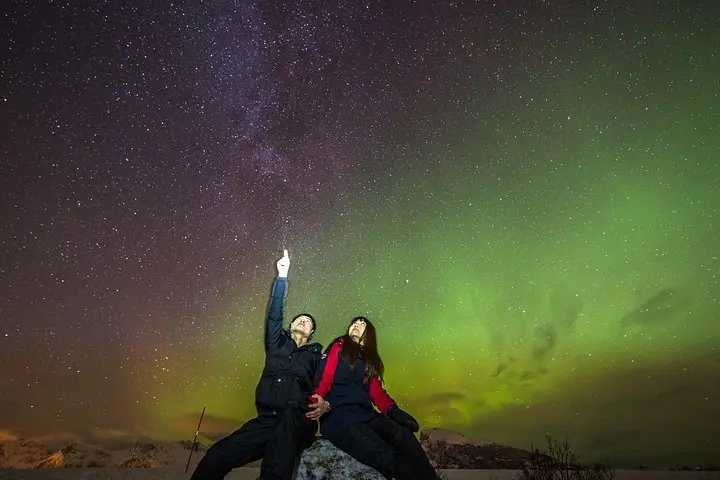
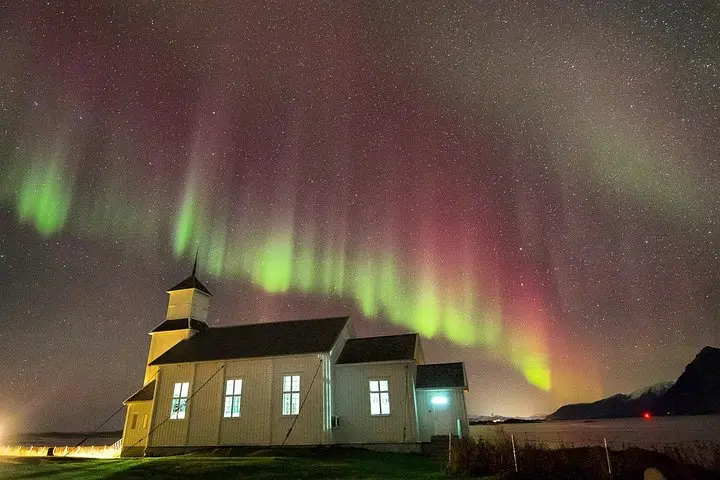
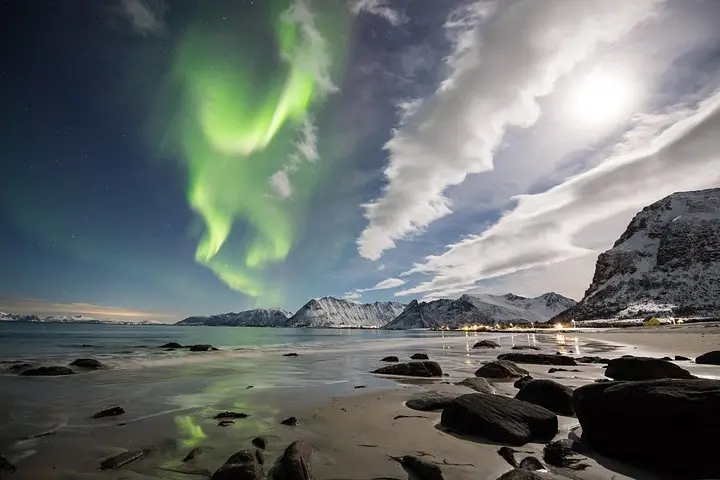
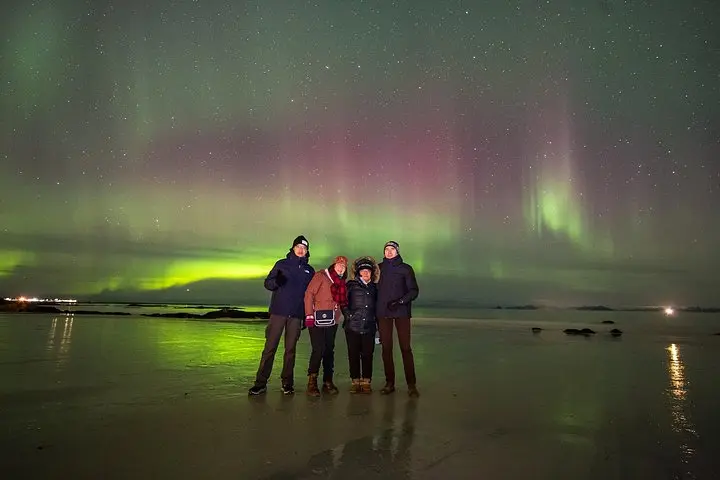
The minivan cuts through a dark ribbon of road; above, an oil-black sky begins to stir. You step out onto gravel with a photographer who points to a faint green sweep that seems to breathe over craggy peaks and fjord water. The air bites, but the silence lets the aurora take center stage.
The minivan cuts through a dark ribbon of road; above, an oil-black sky begins to stir. You step out onto gravel with a photographer who points to a faint green sweep that seems to breathe over craggy peaks and fjord water. The air bites, but the silence lets the aurora take center stage.
The Lofoten archipelago is carved from ancient gabbro and granite; its steep ridges drop into fjords that reflect the sky. Fishing has shaped local life for centuries—rorbuer and drying racks are reminders of cod fisheries that built coastal culture. The aurora itself wove into Sami oral traditions and Norse stories, and today local guides pair folklore with the science of solar wind and magnetism when explaining why curtains of light appear.
This small-group, four-hour outing moves to darker pockets of the islands based on weather, maximizing viewing windows. A professional photographer teaches framing, exposure and tripod technique, then shares edited images after the tour. Expect short walks from parking spots and plenty of time watching the sky, not strenuous hiking.
Practical edge: dress in insulating layers, bring a windproof shell and insulated boots, and carry a headlamp with a red mode for night vision. If you photograph, use a sturdy tripod, wide aperture and long exposures; set your camera to manual and start at ISO 800–1600, 8–20 seconds depending on activity. Tours run in the darker months—check local sunset and polar-night schedules to plan arrival and departures from Svolvær. Leave lights low, respect private property and follow the guide’s local knowledge to improve your chance of a memorable capture.