THE ADVENTURE COLLECTIVE® · Independent discovery and booking for outdoor travel

Escape Paris for a full day discovering some of the Loire Valley’s most iconic châteaux. This guided coach tour pairs expert narration with timed entry to Chambord, Chenonceau and Cheverny—perfect for a one-day immersion in French Renaissance history.
Escape Paris for a full day discovering some of the Loire Valley’s most iconic châteaux. This guided coach tour pairs expert narration with timed entry to Chambord, Chenonceau and Cheverny—perfect for a one-day immersion in French Renaissance history.
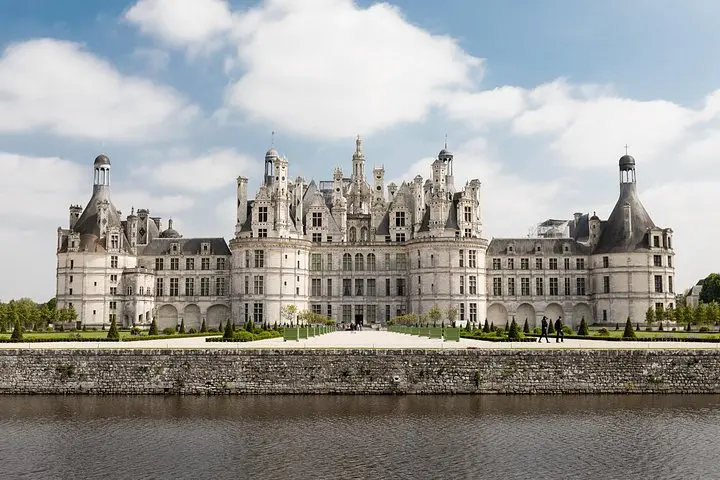
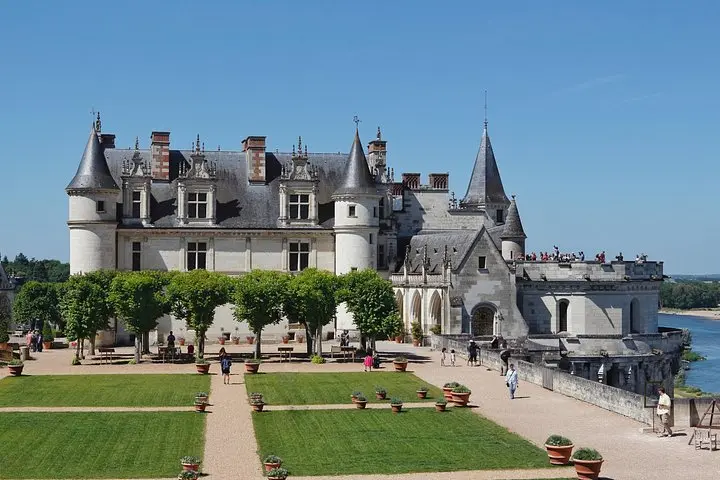
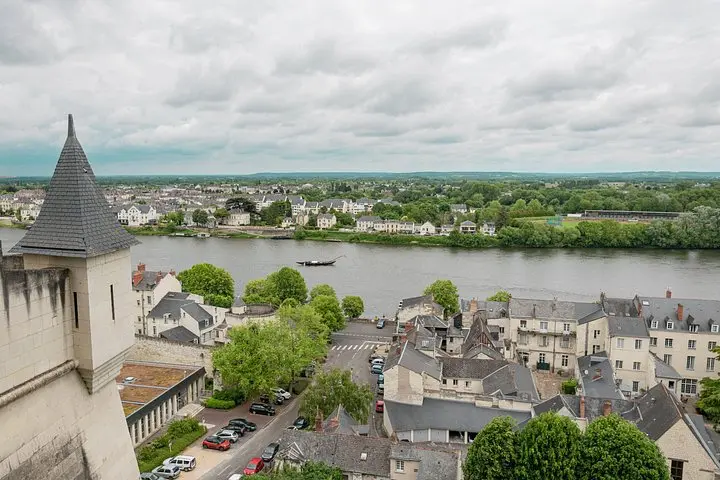
A coach eases out of Paris before dawn, windows catching the flat gray of the suburbs as the city becomes a receding memory. By midmorning the landscape shifts to low, farmed hills and the Cher’s ribbon of water—vineyards, poplar-lined lanes, and the occasional slate roof—announce the Loire Valley. The day unfolds through grand stone: the double-helix stair of Château de Chambord, the bow-string arches of Chenonceau spanning the Cher, and the well-ordered rooms and hunting grounds of Cheverny.
Verified experiences and guided adventures in the surrounding area.
Operated by Awesome Tour Guide · Chambord, Centre-Val de Loire
A coach eases out of Paris before dawn, windows catching the flat gray of the suburbs as the city becomes a receding memory. By midmorning the landscape shifts to low, farmed hills and the Cher’s ribbon of water—vineyards, poplar-lined lanes, and the occasional slate roof—announce the Loire Valley. The day unfolds through grand stone: the double-helix stair of Château de Chambord, the bow-string arches of Chenonceau spanning the Cher, and the well-ordered rooms and hunting grounds of Cheverny.
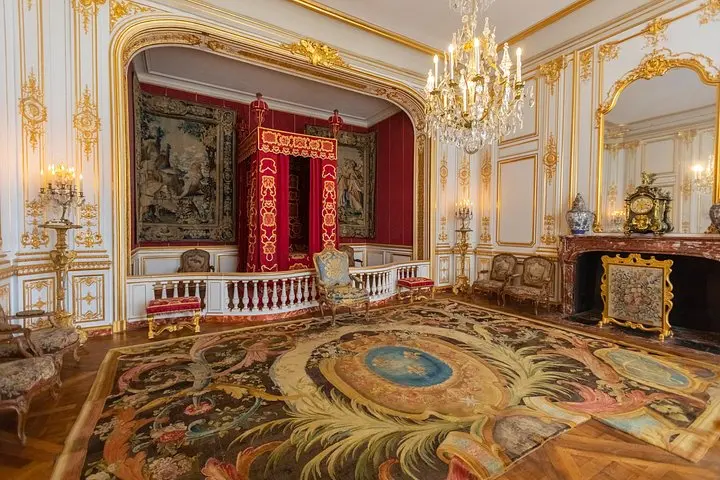
These châteaux record layers of history: Renaissance patronage under François I at Chambord, the female-led legacy at Chenonceau through wars and salons, and Cheverny’s 17th‑century interiors reflecting aristocratic life. Geologically the valley sits on soft sedimentary plateaus carved by slow rivers, creating floodplains that fed medieval agriculture and shaped estate siting. Local culture today blends viticulture, small-scale farming, and a sustained focus on heritage tourism—markets, auberges, and seasonal fêtes punctuate the route.
Practically, expect a full-day, guided itinerary with coach transport from Paris, timed castle admissions, and a midday break for lunch near one estate. Walks inside the châteaux are mostly on stone floors and occasional uneven paths in gardens; mobility limitations should be checked in advance. Bring comfortable walking shoes, a light jacket for river breezes, and a compact daypack for water and documents. Timed-entry queues are managed by guides, but allow extra time for photography at viewpoints. For travelers aiming to extend the visit, nearby towns like Amboise or Blois offer longer stays and quieter evenings along the Loire.
The meeting point is near Cour Saint-Emilion (Line 14); exact meeting details and the representative’s sign are provided on your final voucher.
Yes—admission tickets to the castles visited are included in the tour price.
There’s free time for lunch at a château with nearby cafés; bring snacks or notify the operator of dietary restrictions when booking.
The tour is not suitable for children under 6 or wheelchair users; it involves standing and walking on uneven surfaces.
Awesome Tour Guide operates guided outdoor trips and adventures with an emphasis on safety, stewardship, and memorable experiences.
A coach eases out of Paris before dawn, windows catching the flat gray of the suburbs as the city becomes a receding memory. By midmorning the landscape shifts to low, farmed hills and the Cher’s ribbon of water—vineyards, poplar-lined lanes, and the occasional slate roof—announce the Loire Valley. The day unfolds through grand stone: the double-helix stair of Château de Chambord, the bow-string arches of Chenonceau spanning the Cher, and the well-ordered rooms and hunting grounds of Cheverny.
A coach eases out of Paris before dawn, windows catching the flat gray of the suburbs as the city becomes a receding memory. By midmorning the landscape shifts to low, farmed hills and the Cher’s ribbon of water—vineyards, poplar-lined lanes, and the occasional slate roof—announce the Loire Valley. The day unfolds through grand stone: the double-helix stair of Château de Chambord, the bow-string arches of Chenonceau spanning the Cher, and the well-ordered rooms and hunting grounds of Cheverny.
These châteaux record layers of history: Renaissance patronage under François I at Chambord, the female-led legacy at Chenonceau through wars and salons, and Cheverny’s 17th‑century interiors reflecting aristocratic life. Geologically the valley sits on soft sedimentary plateaus carved by slow rivers, creating floodplains that fed medieval agriculture and shaped estate siting. Local culture today blends viticulture, small-scale farming, and a sustained focus on heritage tourism—markets, auberges, and seasonal fêtes punctuate the route.
Practically, expect a full-day, guided itinerary with coach transport from Paris, timed castle admissions, and a midday break for lunch near one estate. Walks inside the châteaux are mostly on stone floors and occasional uneven paths in gardens; mobility limitations should be checked in advance. Bring comfortable walking shoes, a light jacket for river breezes, and a compact daypack for water and documents. Timed-entry queues are managed by guides, but allow extra time for photography at viewpoints. For travelers aiming to extend the visit, nearby towns like Amboise or Blois offer longer stays and quieter evenings along the Loire.