THE ADVENTURE COLLECTIVE® · Independent discovery and booking for outdoor travel

Spend one long, richly layered day crossing the Loire as you visit Chenonceau, Chambord and Cheverny. This small-group minivan trip pairs expert guiding with time to explore each estate at your own pace.
Spend one long, richly layered day crossing the Loire as you visit Chenonceau, Chambord and Cheverny. This small-group minivan trip pairs expert guiding with time to explore each estate at your own pace.
You pull out of Paris before dawn, the minivan cutting a steady line through fields that open and close like pages. By midmorning the Loire’s low, slow river dares you to look away as the first towers of Chenonceau appear, arcing across the water like an idea made stone.
Verified experiences and guided adventures in the surrounding area.
Operated by France Tourisme · Chambord, Centre-Val de Loire
You pull out of Paris before dawn, the minivan cutting a steady line through fields that open and close like pages. By midmorning the Loire’s low, slow river dares you to look away as the first towers of Chenonceau appear, arcing across the water like an idea made stone.
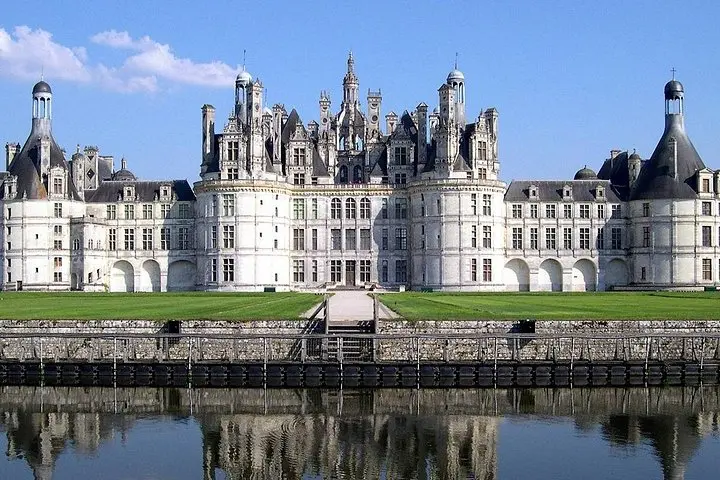
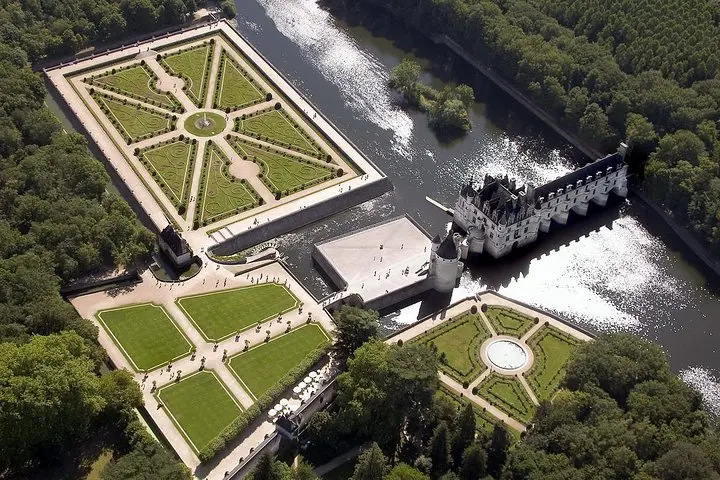
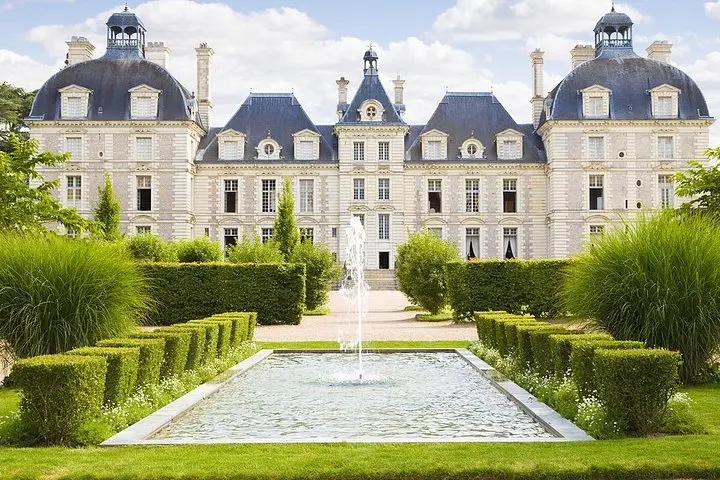
The route reads like a primer on French history and design: Chenonceau’s feminine interiors and gardens shaped by influential women; Chambord’s extravagant Renaissance plan — the double-helix staircase attributed to Leonardo’s circle — a demonstration of royal ambition etched in stone and chimney stacks; Cheverny’s lived-in rooms and hunting kennels that inspired Hergé’s Moulinsart. Geologically the valley is soft limestone carved by the Loire and its tributaries, which helped builders quarry smooth blocks for sweeping façades and terraced gardens. Local culture still revolves around small-market towns, wine growers, and seasonal fêtes celebrating harvests and gastronomy.
Practical guidance: this is a long, full-day outing (12–13 hours) with short walking segments at each estate. Wear comfortable walking shoes for gravel paths and uneven stone steps; expect formal rooms, open lawns, and some steep stairs at Chambord. Bring a light layer for breezy terraces and a refillable water bottle — water stations are limited. Timing matters: arrive early at each castle to avoid peak crowds and leave a little time for a café stop in a nearby village. The combination of guided context and time to explore on your own fits travelers who want history, architecture, and a sense of place without a rushed coach tour pace.
The full day is about 12–13 hours roundtrip, departing early morning and returning in the evening.
Yes — entrance tickets to Chenonceau, Chambord and Cheverny are included in the tour price.
The tour is family-friendly and described as easy, but historic sites have uneven surfaces and stairs; mobility-impaired visitors should check specific site accessibility in advance.
Interior rooms generally discourage eating; cafés and picnic areas are available on site for meals and snacks.
France Tourisme operates guided outdoor trips and adventures with an emphasis on safety, stewardship, and memorable experiences.
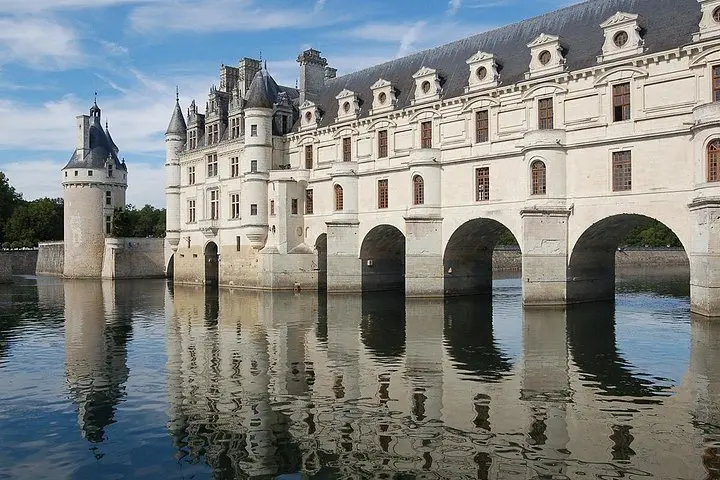
You pull out of Paris before dawn, the minivan cutting a steady line through fields that open and close like pages. By midmorning the Loire’s low, slow river dares you to look away as the first towers of Chenonceau appear, arcing across the water like an idea made stone.
You pull out of Paris before dawn, the minivan cutting a steady line through fields that open and close like pages. By midmorning the Loire’s low, slow river dares you to look away as the first towers of Chenonceau appear, arcing across the water like an idea made stone.
The route reads like a primer on French history and design: Chenonceau’s feminine interiors and gardens shaped by influential women; Chambord’s extravagant Renaissance plan — the double-helix staircase attributed to Leonardo’s circle — a demonstration of royal ambition etched in stone and chimney stacks; Cheverny’s lived-in rooms and hunting kennels that inspired Hergé’s Moulinsart. Geologically the valley is soft limestone carved by the Loire and its tributaries, which helped builders quarry smooth blocks for sweeping façades and terraced gardens. Local culture still revolves around small-market towns, wine growers, and seasonal fêtes celebrating harvests and gastronomy.
Practical guidance: this is a long, full-day outing (12–13 hours) with short walking segments at each estate. Wear comfortable walking shoes for gravel paths and uneven stone steps; expect formal rooms, open lawns, and some steep stairs at Chambord. Bring a light layer for breezy terraces and a refillable water bottle — water stations are limited. Timing matters: arrive early at each castle to avoid peak crowds and leave a little time for a café stop in a nearby village. The combination of guided context and time to explore on your own fits travelers who want history, architecture, and a sense of place without a rushed coach tour pace.