THE ADVENTURE COLLECTIVE® · Independent discovery and booking for outdoor travel

A single-day private tour from Paris that packs Leonardo da Vinci’s last home, a river-spanning Renaissance jewel, and France’s largest château into one VIP itinerary. Expect guided access, short walks, and artful gardens across an 8-hour loop.
A single-day private tour from Paris that packs Leonardo da Vinci’s last home, a river-spanning Renaissance jewel, and France’s largest château into one VIP itinerary. Expect guided access, short walks, and artful gardens across an 8-hour loop.
The motorcoach hums away from Paris before dawn and, by midmorning, the Loire unfurls: a wide, low river that dares you to slow down. Stone towers and long arched bridges rise from orchard-lined fields; the air carries cut grass and century-old stone warmed by the sun. You step into the rhythm of the French Renaissance—ample courtyards, carved fireplaces, and gardens that map power and taste.
Verified experiences and guided adventures in the surrounding area.
Operated by European Voyages · Amboise, Indre-et-Loire
The motorcoach hums away from Paris before dawn and, by midmorning, the Loire unfurls: a wide, low river that dares you to slow down. Stone towers and long arched bridges rise from orchard-lined fields; the air carries cut grass and century-old stone warmed by the sun. You step into the rhythm of the French Renaissance—ample courtyards, carved fireplaces, and gardens that map power and taste.
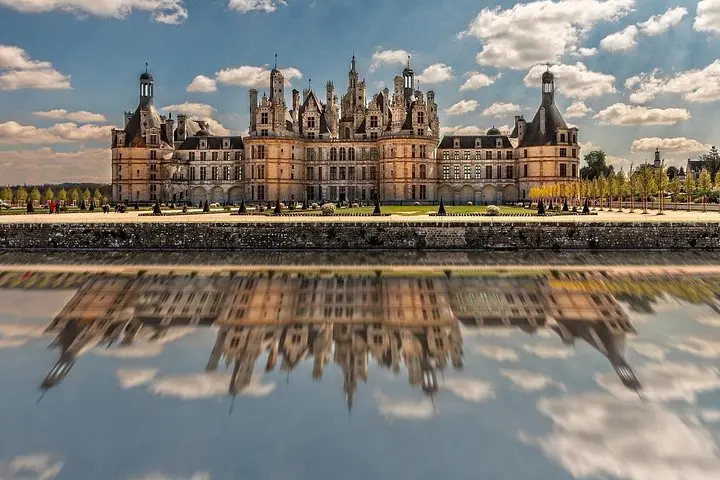
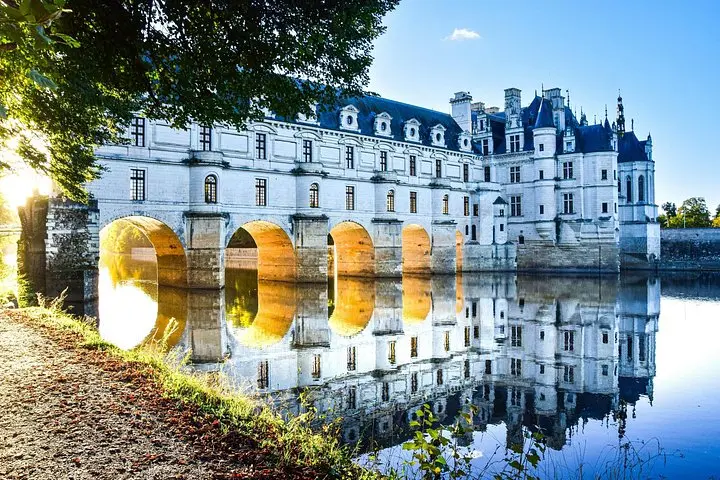
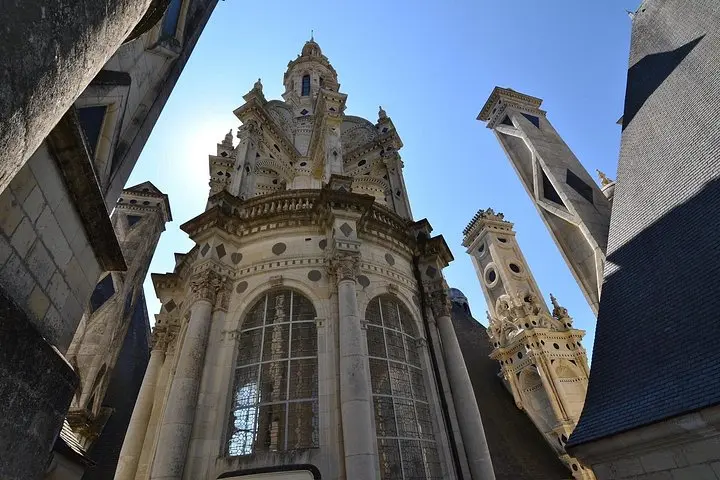
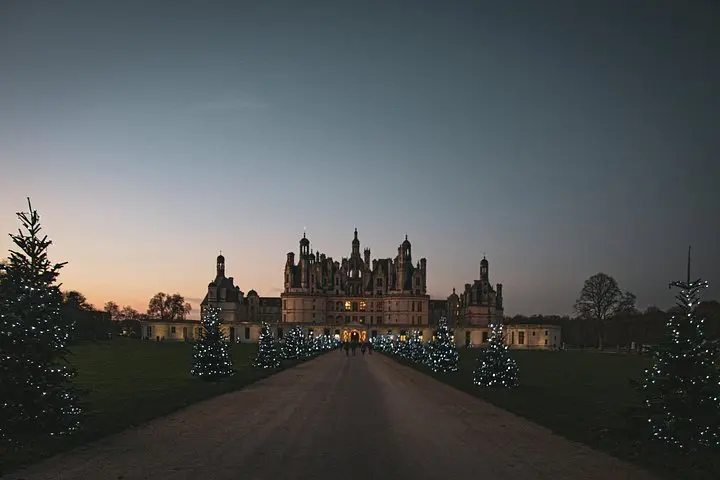
This route threads three distinct chapters of Loire history. Amboise crowns a riverside town where the Clos Lucé preserves Leonardo da Vinci’s late inventions and a chapel marks his grave. Chenonceaux spans the Cher like a painted bridge, its galleries and formal Tudor-style gardens shaped by influential women across centuries. Chambord is grander still: a hunting lodge turned royal statement, its double-helix staircase and 13,000-acre park illustrate the collision of medieval mass and Renaissance geometry.
Geologically the valley is a limestone plain—soft stone carved into eroded cliffs and fertile soils that supported vineyards and châteaux for centuries. Culturally, expect polite, tourist-ready towns with small cafés and local markets between sites.
Practical guide: the full loop is an 8-hour day of short walks and stairs—comfortable shoes and a light jacket are essential. Guided admissions speed entry but bring photo ID and allow time for security checks. Peak season brings crowds at Chenonceaux and Chambord; early departures avoid the largest groups. There are cafés in each stop; pack water for the coach legs. Respect roped-off rooms and stay on marked paths in gardens—these estates are managed landscapes, not wilderness. The day pairs pace with perspective: grand architecture, intimate gardens, and the steady river that ties them together.
Yes — private round-trip transportation is included and pickup/drop-off details are collected at booking.
Admissions to the three châteaux are included as listed in the itinerary; check booking confirmation for specifics.
The tour is labelled physically easy, but sites have stairs and uneven surfaces; contact the operator about wheelchair access or stroller needs.
There are cafés and snack options at or near the sites; you may also stop in Amboise for a longer lunch break on request.
European Voyages operates guided outdoor trips and adventures with an emphasis on safety, stewardship, and memorable experiences.
The motorcoach hums away from Paris before dawn and, by midmorning, the Loire unfurls: a wide, low river that dares you to slow down. Stone towers and long arched bridges rise from orchard-lined fields; the air carries cut grass and century-old stone warmed by the sun. You step into the rhythm of the French Renaissance—ample courtyards, carved fireplaces, and gardens that map power and taste.
The motorcoach hums away from Paris before dawn and, by midmorning, the Loire unfurls: a wide, low river that dares you to slow down. Stone towers and long arched bridges rise from orchard-lined fields; the air carries cut grass and century-old stone warmed by the sun. You step into the rhythm of the French Renaissance—ample courtyards, carved fireplaces, and gardens that map power and taste.
This route threads three distinct chapters of Loire history. Amboise crowns a riverside town where the Clos Lucé preserves Leonardo da Vinci’s late inventions and a chapel marks his grave. Chenonceaux spans the Cher like a painted bridge, its galleries and formal Tudor-style gardens shaped by influential women across centuries. Chambord is grander still: a hunting lodge turned royal statement, its double-helix staircase and 13,000-acre park illustrate the collision of medieval mass and Renaissance geometry.
Geologically the valley is a limestone plain—soft stone carved into eroded cliffs and fertile soils that supported vineyards and châteaux for centuries. Culturally, expect polite, tourist-ready towns with small cafés and local markets between sites.
Practical guide: the full loop is an 8-hour day of short walks and stairs—comfortable shoes and a light jacket are essential. Guided admissions speed entry but bring photo ID and allow time for security checks. Peak season brings crowds at Chenonceaux and Chambord; early departures avoid the largest groups. There are cafés in each stop; pack water for the coach legs. Respect roped-off rooms and stay on marked paths in gardens—these estates are managed landscapes, not wilderness. The day pairs pace with perspective: grand architecture, intimate gardens, and the steady river that ties them together.