THE ADVENTURE COLLECTIVE® · Independent discovery and booking for outdoor travel

Sail a traditional pirogue to Lokobe Reserve, then follow guides into one of Nosy Be’s last rainforest patches to see endemic lemurs and tiny chameleons. Finish with a Malagasy beach lunch prepared by locals—an accessible, culturally rich day of wildlife and coastline.
Sail a traditional pirogue to Lokobe Reserve, then follow guides into one of Nosy Be’s last rainforest patches to see endemic lemurs and tiny chameleons. Finish with a Malagasy beach lunch prepared by locals—an accessible, culturally rich day of wildlife and coastline.
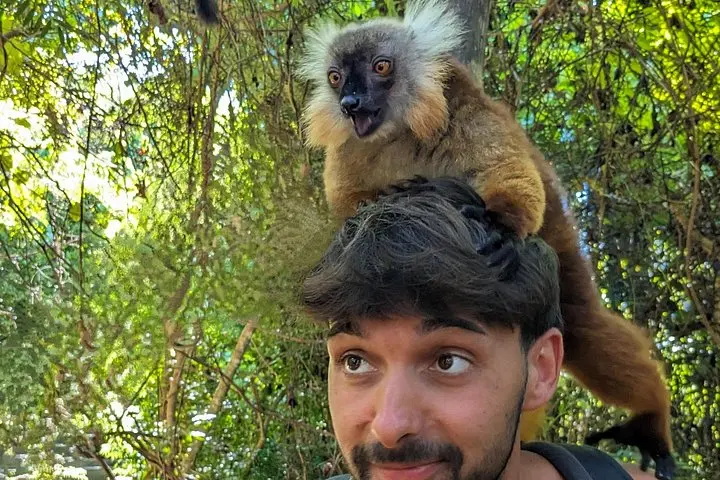
The day begins with a low-slung pirogue slicing the turquoise channel off Nosy Be, the wooden hull rocking as mangrove roots slide past like the fingers of a guarded coastline. Guides steady the canoe while the island’s humidity and the scent of salt and forest set the pace for what follows: a short boat approach, then a guided walk through Lokobe Reserve where lemurs move with deliberate curiosity among thick understory and palm-thatched canopies.
Verified experiences and guided adventures in the surrounding area.
Operated by MadaDays · Andoany (Hell-Ville), Diana
The day begins with a low-slung pirogue slicing the turquoise channel off Nosy Be, the wooden hull rocking as mangrove roots slide past like the fingers of a guarded coastline. Guides steady the canoe while the island’s humidity and the scent of salt and forest set the pace for what follows: a short boat approach, then a guided walk through Lokobe Reserve where lemurs move with deliberate curiosity among thick understory and palm-thatched canopies.
Lokobe sits at the southeastern edge of Nosy Be and preserves a fragment of Madagascar’s distinctive rainforest—limestone outcrops, black volcanic soils, and coastal dunes shape the terrain. The area’s human history is equally direct: fishing villages nearby maintain centuries-old practices, and meals of rice, zebu, and fresh-caught fish reflect coastal Malagasy culture.
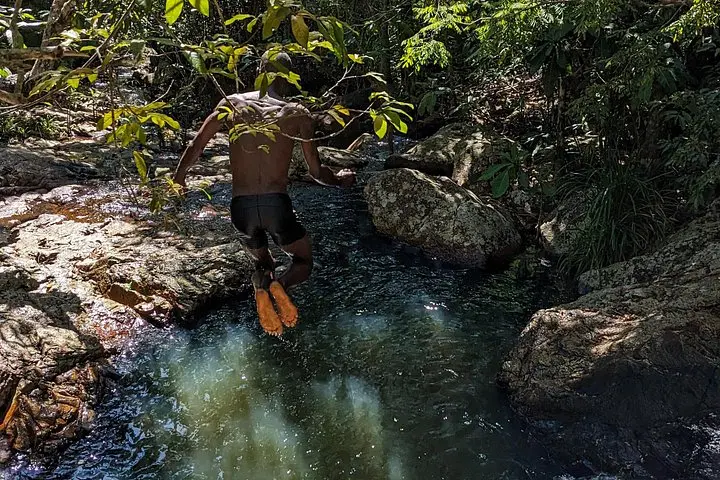
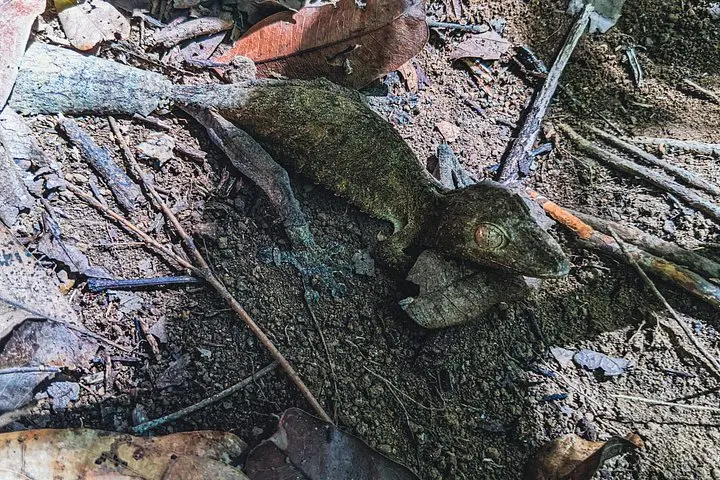
Expect narrow dirt trails, boardwalks across swampier sections, and moments of silence broken by the calls of black lemurs and the rustle of tiny chameleons. After the trek, a locally prepared Malagasy lunch on the beach provides a practical and delicious way to rest before the return paddle.
Practical guidance: plan for 4–8 hours depending on transfers, wear closed-toe shoes with good grip, bring insect repellent and sun protection, and a light rain jacket in the wet season. Mobility is generally easy—sturdy footing and short hikes—while boat boarding requires basic balance. The trip supports local guides and small community economies; visit with respect, leave no trace, and be ready for changing tropical weather.
Allow 4–8 hours including hotel transfer times; exact duration depends on pickup location and weather.
Yes—trail difficulty is low and guides accommodate families, but infants should sit on an adult’s lap in the boat.
Yes; the tour includes admission to Lokobe Reserve and a traditional Malagasy lunch with bottled water.
If prone to seasickness, take preventative medication before boarding and sit in the middle of the pirogue where motion is less pronounced.
MadaDays operates guided outdoor trips and adventures with an emphasis on safety, stewardship, and memorable experiences.
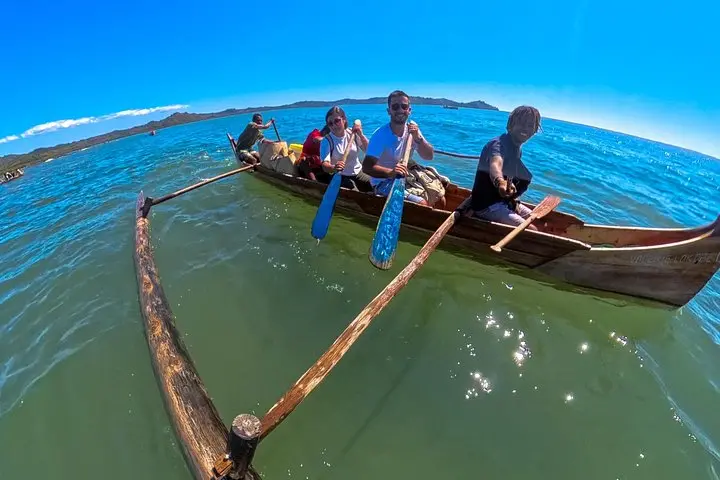
The day begins with a low-slung pirogue slicing the turquoise channel off Nosy Be, the wooden hull rocking as mangrove roots slide past like the fingers of a guarded coastline. Guides steady the canoe while the island’s humidity and the scent of salt and forest set the pace for what follows: a short boat approach, then a guided walk through Lokobe Reserve where lemurs move with deliberate curiosity among thick understory and palm-thatched canopies.
The day begins with a low-slung pirogue slicing the turquoise channel off Nosy Be, the wooden hull rocking as mangrove roots slide past like the fingers of a guarded coastline. Guides steady the canoe while the island’s humidity and the scent of salt and forest set the pace for what follows: a short boat approach, then a guided walk through Lokobe Reserve where lemurs move with deliberate curiosity among thick understory and palm-thatched canopies.
Lokobe sits at the southeastern edge of Nosy Be and preserves a fragment of Madagascar’s distinctive rainforest—limestone outcrops, black volcanic soils, and coastal dunes shape the terrain. The area’s human history is equally direct: fishing villages nearby maintain centuries-old practices, and meals of rice, zebu, and fresh-caught fish reflect coastal Malagasy culture.
Expect narrow dirt trails, boardwalks across swampier sections, and moments of silence broken by the calls of black lemurs and the rustle of tiny chameleons. After the trek, a locally prepared Malagasy lunch on the beach provides a practical and delicious way to rest before the return paddle.
Practical guidance: plan for 4–8 hours depending on transfers, wear closed-toe shoes with good grip, bring insect repellent and sun protection, and a light rain jacket in the wet season. Mobility is generally easy—sturdy footing and short hikes—while boat boarding requires basic balance. The trip supports local guides and small community economies; visit with respect, leave no trace, and be ready for changing tropical weather.