THE ADVENTURE COLLECTIVE® · Independent discovery and booking for outdoor travel
A short drive from Mumbai opens into the cool, waterfall-slashed hills of Lonavala and Khandala. Over three days you’ll visit 2,000-year-old rock-cut caves, hike to the ramparts of Lohagad Fort, and soak in wide Western Ghats views—ideal for an accessible nature-and-history retreat.
A short drive from Mumbai opens into the cool, waterfall-slashed hills of Lonavala and Khandala. Over three days you’ll visit 2,000-year-old rock-cut caves, hike to the ramparts of Lohagad Fort, and soak in wide Western Ghats views—ideal for an accessible nature-and-history retreat.
The road out of Mumbai tightens into ghat turns and the air cools—an 85 km drive that takes roughly two hours delivers you into Lonavala and Khandala, where mist threads through eucalyptus and waterfalls dare you closer.
Verified experiences and guided adventures in the surrounding area.
Operated by Agora Voyages Pvt. Ltd. · Lonavala, Maharashtra
The road out of Mumbai tightens into ghat turns and the air cools—an 85 km drive that takes roughly two hours delivers you into Lonavala and Khandala, where mist threads through eucalyptus and waterfalls dare you closer.
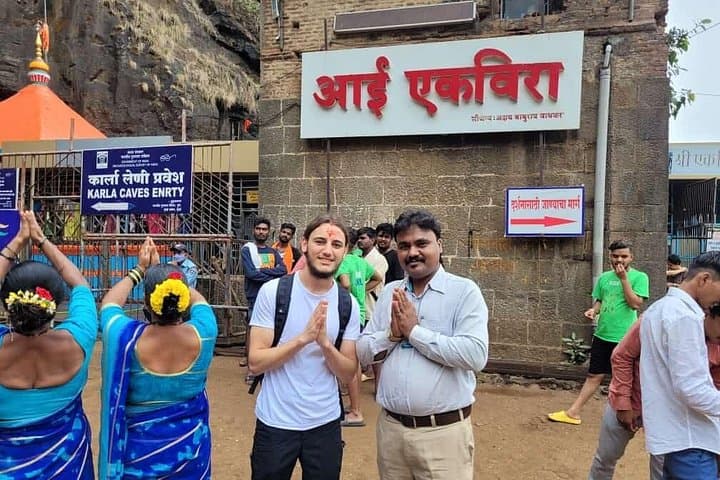
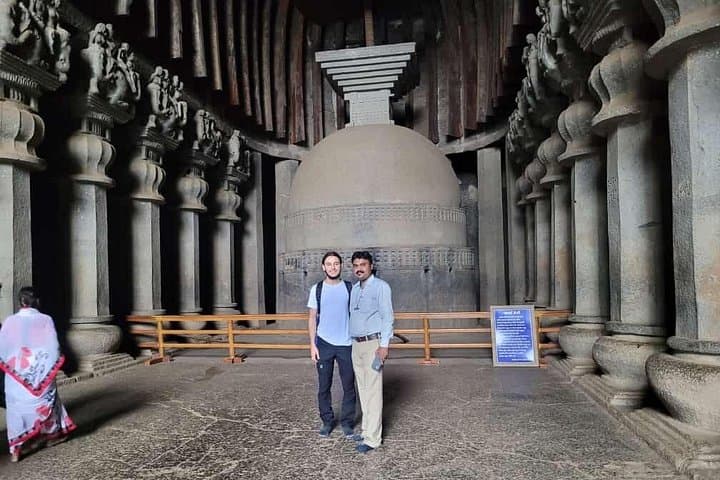
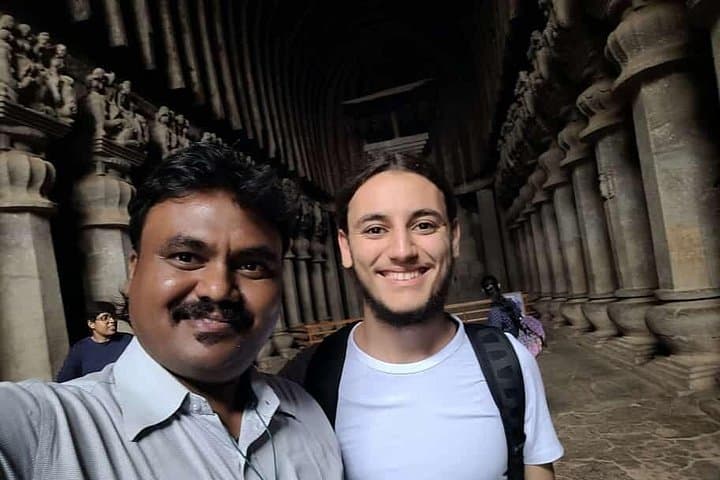
On day two you trade the car for stone and footwork: Karla and Bhaja are rock-cut Buddhist complexes dating to around the 2nd century BCE, carved into basalt with chaitya halls and ancient inscriptions. Bhaja perches roughly 400 feet above the village, accessed by a short climb that rewards with carved verandahs and sweeping valley views. Nearby, Lohagad Fort rises as a patchwork of ramparts and rain-smoothed steps; the final approach is steep but short, with panoramic viewpoints across the Western Ghats.
Geologically, these hills are part of the Deccan Traps—layered basalt flows that create steep escarpments, plateaus, and the many seasonal waterfalls that animate the landscape during the monsoon.
Culturally, the route weaves colonial-era hill-station character with Maharashtrian village life: small temples, local chikki shops, and toddy palms appear between viewpoints.
Practical guidance: expect short to moderate climbs and uneven stone steps—good traction shoes and a daypack matter. Start early to avoid peak heat and to catch clear views before afternoon clouds. In monsoon months, trails get slippery; bring waterproof gear and allow extra time. Carry at least 1.5–2 L of water per person for hiking days, and keep a flashlight or headlamp if you plan to explore cave interiors near dusk. The itinerary is private and paced for relaxed exploration—plan comfortable footwear, light layers, and charged devices for photos and navigation.
The drive is about 85 km and typically takes roughly 2 hours by car, depending on traffic and road conditions.
The itinerary notes that monument entrances and activity charges mentioned are included; confirm specific sites at booking.
Yes—transport and many viewpoints are family-friendly, but cave interiors and steep fort steps may be challenging for very young children; strollers are usable in some areas but not on trails.
Monsoon (June–September) brings dramatic waterfalls and lush scenery but also slippery trails and reduced visibility; waterproof gear and caution are essential.
Agora Voyages Pvt. Ltd. operates guided outdoor trips and adventures with an emphasis on safety, stewardship, and memorable experiences.
The road out of Mumbai tightens into ghat turns and the air cools—an 85 km drive that takes roughly two hours delivers you into Lonavala and Khandala, where mist threads through eucalyptus and waterfalls dare you closer.
The road out of Mumbai tightens into ghat turns and the air cools—an 85 km drive that takes roughly two hours delivers you into Lonavala and Khandala, where mist threads through eucalyptus and waterfalls dare you closer.
On day two you trade the car for stone and footwork: Karla and Bhaja are rock-cut Buddhist complexes dating to around the 2nd century BCE, carved into basalt with chaitya halls and ancient inscriptions. Bhaja perches roughly 400 feet above the village, accessed by a short climb that rewards with carved verandahs and sweeping valley views. Nearby, Lohagad Fort rises as a patchwork of ramparts and rain-smoothed steps; the final approach is steep but short, with panoramic viewpoints across the Western Ghats.
Geologically, these hills are part of the Deccan Traps—layered basalt flows that create steep escarpments, plateaus, and the many seasonal waterfalls that animate the landscape during the monsoon.
Culturally, the route weaves colonial-era hill-station character with Maharashtrian village life: small temples, local chikki shops, and toddy palms appear between viewpoints.
Practical guidance: expect short to moderate climbs and uneven stone steps—good traction shoes and a daypack matter. Start early to avoid peak heat and to catch clear views before afternoon clouds. In monsoon months, trails get slippery; bring waterproof gear and allow extra time. Carry at least 1.5–2 L of water per person for hiking days, and keep a flashlight or headlamp if you plan to explore cave interiors near dusk. The itinerary is private and paced for relaxed exploration—plan comfortable footwear, light layers, and charged devices for photos and navigation.
