THE ADVENTURE COLLECTIVE® · Independent discovery and booking for outdoor travel

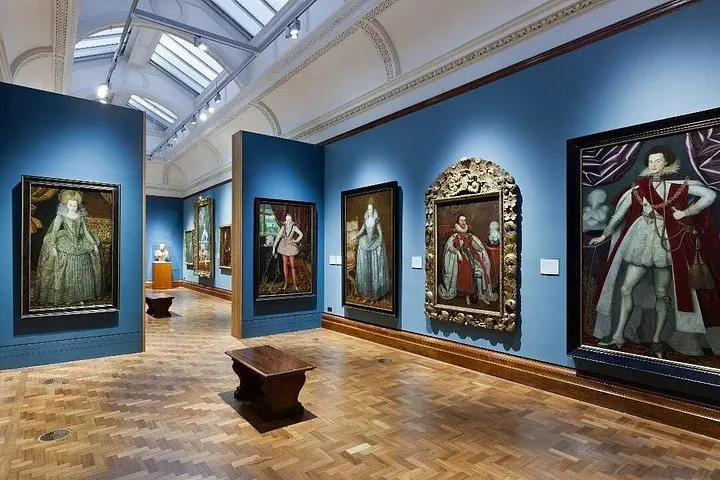
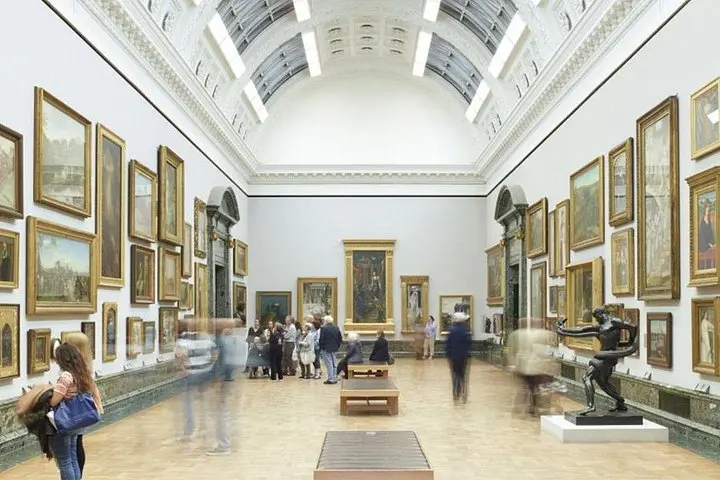
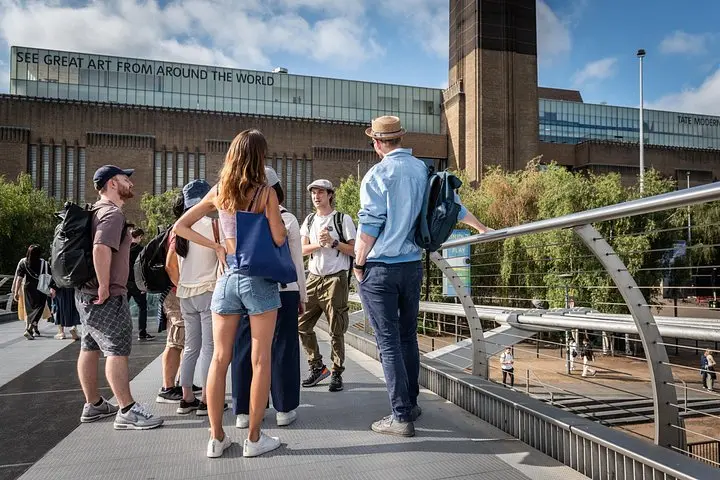
Explore three of London’s most important art institutions—the National Gallery, the National Portrait Gallery and Tate Modern—on a guided three‑hour walk that combines landmark paintings, portrait history and modern art in the converted Bankside Power Station.
Explore three of London’s most important art institutions—the National Gallery, the National Portrait Gallery and Tate Modern—on a guided three‑hour walk that combines landmark paintings, portrait history and modern art in the converted Bankside Power Station.
You step out of the Tube into Trafalgar Square: stone lions watch as the city pulses around you, and the National Gallery opens like a cool, ordered room from another century. A local guide threads stories between canvases, pausing at a Turner, then steering you across a few streets to the closer, more intimate gaze of the National Portrait Gallery.
Verified experiences and guided adventures in the surrounding area.
Operated by Top Sights Tours Group LLC · London, England
You step out of the Tube into Trafalgar Square: stone lions watch as the city pulses around you, and the National Gallery opens like a cool, ordered room from another century. A local guide threads stories between canvases, pausing at a Turner, then steering you across a few streets to the closer, more intimate gaze of the National Portrait Gallery.
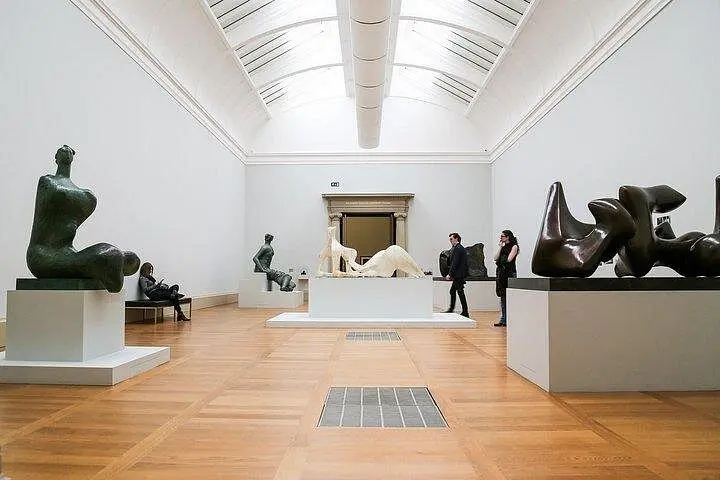
These three institutions trace London’s cultural arc: the National Gallery (founded 1824) gathers European painting across centuries; the National Portrait Gallery (mid-19th century) maps national identity through faces; and Tate Modern repurposes Bankside Power Station into a cavernous home for 20th‑ and 21st‑century provocation, its Turbine Hall daring contemporary artists to think big.
Geometry and material tell their own stories—the limestone façades around Trafalgar Square, the Portrait Gallery’s redbrick rooms, and Tate Modern’s industrial brick and new glass levels that frame the Thames and St Paul’s. Local life threads through: market traders on the South Bank, gallery educators testing workshops, and bench‑side sketchers catching a detail.
Practical guidance: this is a three‑hour walking and indoor tour—expect standing, short walks between sites, and museum lighting that can be dim. Wear comfortable shoes, carry a small bag for security checks, and book tickets in advance to guarantee entry. Bathrooms, cloakrooms, and cafés are available at each stop but can be busy at midday. If you want quiet viewing, aim for weekday mornings; afternoons bring school groups and larger crowds. Bring a charged phone for quick photo reference, but respect no‑flash rules in galleries. With a guide, the route becomes a paced, story‑driven survey of London’s visual history—efficient, informative, and rooted in place.
Most departures start near Trafalgar Square at the National Gallery; the tour typically finishes at Tate Modern on the South Bank.
Yes—National Gallery, National Portrait Gallery and Tate Modern have step‑free access, lifts and accessible toilets; notify the operator of any needs when booking.
Yes—family visitors are welcomed; museums have stroller‑friendly routes and family facilities but expect crowds in galleries and cafés.
Rules vary: many historical rooms allow non‑flash photos for personal use, but some works and temporary exhibitions prohibit photography—follow signage and your guide’s instructions.
Top Sights Tours Group LLC operates guided outdoor trips and adventures with an emphasis on safety, stewardship, and memorable experiences.
You step out of the Tube into Trafalgar Square: stone lions watch as the city pulses around you, and the National Gallery opens like a cool, ordered room from another century. A local guide threads stories between canvases, pausing at a Turner, then steering you across a few streets to the closer, more intimate gaze of the National Portrait Gallery.
You step out of the Tube into Trafalgar Square: stone lions watch as the city pulses around you, and the National Gallery opens like a cool, ordered room from another century. A local guide threads stories between canvases, pausing at a Turner, then steering you across a few streets to the closer, more intimate gaze of the National Portrait Gallery.
These three institutions trace London’s cultural arc: the National Gallery (founded 1824) gathers European painting across centuries; the National Portrait Gallery (mid-19th century) maps national identity through faces; and Tate Modern repurposes Bankside Power Station into a cavernous home for 20th‑ and 21st‑century provocation, its Turbine Hall daring contemporary artists to think big.
Geometry and material tell their own stories—the limestone façades around Trafalgar Square, the Portrait Gallery’s redbrick rooms, and Tate Modern’s industrial brick and new glass levels that frame the Thames and St Paul’s. Local life threads through: market traders on the South Bank, gallery educators testing workshops, and bench‑side sketchers catching a detail.
Practical guidance: this is a three‑hour walking and indoor tour—expect standing, short walks between sites, and museum lighting that can be dim. Wear comfortable shoes, carry a small bag for security checks, and book tickets in advance to guarantee entry. Bathrooms, cloakrooms, and cafés are available at each stop but can be busy at midday. If you want quiet viewing, aim for weekday mornings; afternoons bring school groups and larger crowds. Bring a charged phone for quick photo reference, but respect no‑flash rules in galleries. With a guide, the route becomes a paced, story‑driven survey of London’s visual history—efficient, informative, and rooted in place.