THE ADVENTURE COLLECTIVE® · Independent discovery and booking for outdoor travel

Walk three hours along London’s canals from Little Venice to Camden Lock, where Victorian infrastructure meets modern cafes, floating bookshops and urban wildlife. This private tour reveals quiet towpaths, reclaimed industrial sites and cultural hubs away from the main streets.
Walk three hours along London’s canals from Little Venice to Camden Lock, where Victorian infrastructure meets modern cafes, floating bookshops and urban wildlife. This private tour reveals quiet towpaths, reclaimed industrial sites and cultural hubs away from the main streets.
You step off a busy London street and the soundscape thins: water lapping, a barge bell, and the distant rattle of a train. The towpath unfurls beneath plane trees as the Grand Union gives itself over to the narrow, human-scale world of Little Venice and Regent's Canal. Boats, bookshops, cafés and converted homes drift by like characters in a slowly moving play.
Verified experiences and guided adventures in the surrounding area.
Operated by Ye Olde England Tours · London, England
You step off a busy London street and the soundscape thins: water lapping, a barge bell, and the distant rattle of a train. The towpath unfurls beneath plane trees as the Grand Union gives itself over to the narrow, human-scale world of Little Venice and Regent's Canal. Boats, bookshops, cafés and converted homes drift by like characters in a slowly moving play.
Built in the early 19th century to link the Thames with northern industrial cities, these canals reshaped trade and neighborhoods; later neglect gave way to post-industrial rebirth and the current mix of ecology, culture and commerce. Geology plays a quiet role here—man-made cut through London clay, with brick-lined locks and Victorian ironwork revealing the era of steam and horse-haul.
Culturally, the walk crosses contrasts: leafy park edges near Regent’s Park, the creative bustle of King’s Cross, and Camden’s market energy. Look for converted industrial structures—ice houses, gas-holder parks—and floating bookshops that reflect Londoners’ knack for reusing space.
Practical guidance: the route is mostly flat but towpaths can be narrow or muddy after rain—sturdy shoes matter. Expect 3 hours of walking with frequent stops; bring transit cards to reach start and finish points. Early morning or late afternoon light sharpens canal colors and avoids peak crowds at Camden Lock. Stay mindful of boat traffic and keep to the towpath’s edge when passing moored craft. This private tour offers an intimate, paced way to see a London seldom visible from the main roads.
The private itinerary covers roughly 5–7 kilometers over three hours with frequent short stops at sights and cafés.
Parts of the towpath can be narrow or have steps; older children are fine, but strollers may struggle in busier or uneven sections.
The route is mostly flat but includes uneven surfaces and some steps—contact the operator in advance to discuss accessibility and possible adjustments.
Refreshments aren’t included, but the guide will pause at cafés and market stalls where you can buy drinks or snacks.
Ye Olde England Tours operates guided outdoor trips and adventures with an emphasis on safety, stewardship, and memorable experiences.
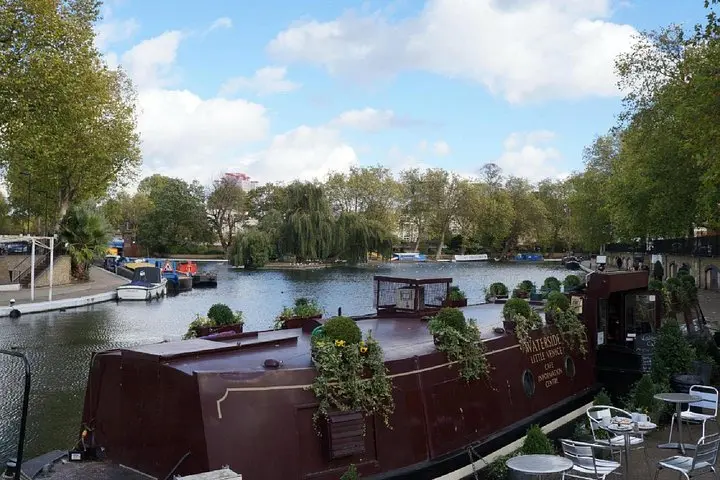
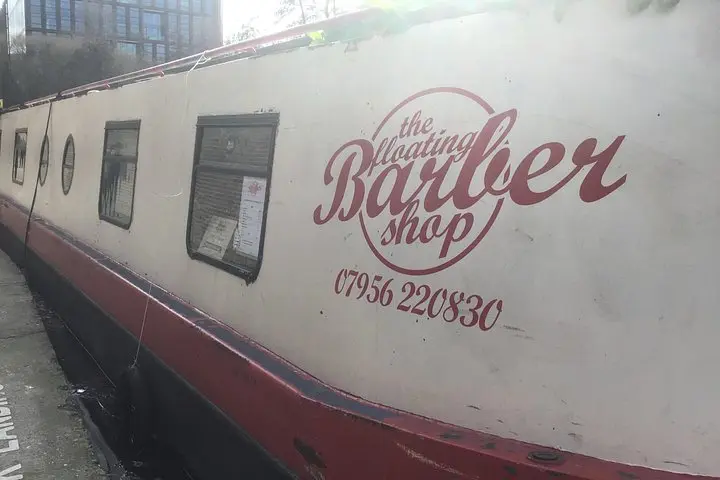
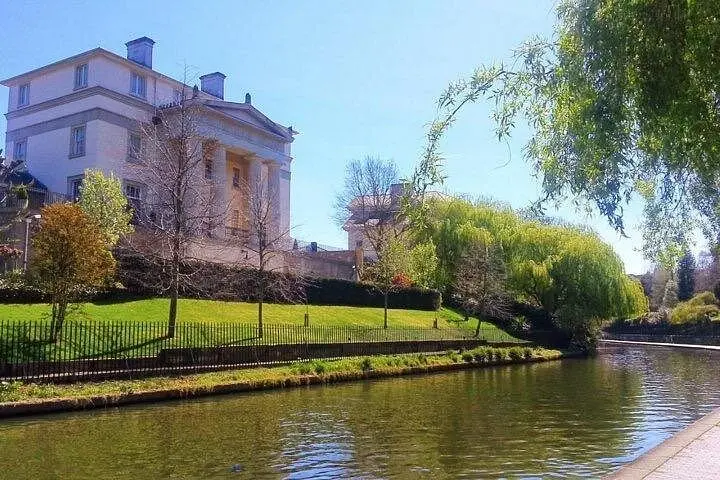
You step off a busy London street and the soundscape thins: water lapping, a barge bell, and the distant rattle of a train. The towpath unfurls beneath plane trees as the Grand Union gives itself over to the narrow, human-scale world of Little Venice and Regent's Canal. Boats, bookshops, cafés and converted homes drift by like characters in a slowly moving play.
You step off a busy London street and the soundscape thins: water lapping, a barge bell, and the distant rattle of a train. The towpath unfurls beneath plane trees as the Grand Union gives itself over to the narrow, human-scale world of Little Venice and Regent's Canal. Boats, bookshops, cafés and converted homes drift by like characters in a slowly moving play.
Built in the early 19th century to link the Thames with northern industrial cities, these canals reshaped trade and neighborhoods; later neglect gave way to post-industrial rebirth and the current mix of ecology, culture and commerce. Geology plays a quiet role here—man-made cut through London clay, with brick-lined locks and Victorian ironwork revealing the era of steam and horse-haul.
Culturally, the walk crosses contrasts: leafy park edges near Regent’s Park, the creative bustle of King’s Cross, and Camden’s market energy. Look for converted industrial structures—ice houses, gas-holder parks—and floating bookshops that reflect Londoners’ knack for reusing space.
Practical guidance: the route is mostly flat but towpaths can be narrow or muddy after rain—sturdy shoes matter. Expect 3 hours of walking with frequent stops; bring transit cards to reach start and finish points. Early morning or late afternoon light sharpens canal colors and avoids peak crowds at Camden Lock. Stay mindful of boat traffic and keep to the towpath’s edge when passing moored craft. This private tour offers an intimate, paced way to see a London seldom visible from the main roads.