THE ADVENTURE COLLECTIVE® · Independent discovery and booking for outdoor travel

Walk the streets where London’s darkest histories unfolded—from Jack the Ripper’s alleys to the Clink and Smithfield. This three‑hour private tour combines forensic detail, social history and local color for a grounded view of crime and punishment through the ages.
Walk the streets where London’s darkest histories unfolded—from Jack the Ripper’s alleys to the Clink and Smithfield. This three‑hour private tour combines forensic detail, social history and local color for a grounded view of crime and punishment through the ages.
Fog and lamp light hang low over the narrow streets of Whitechapel as a guide leads a small group into the East End, voice lowered to match the pace of the lanes. The cobbles remember footsteps—market sellers, condemned prisoners and the hollowed steps of those who vanished into Victorian night. The Thames moves nearby, a dark ribbon that has watched London's punishments and parades for centuries.
Verified experiences and guided adventures in the surrounding area.
Operated by Ye Olde England Tours · London, England
Fog and lamp light hang low over the narrow streets of Whitechapel as a guide leads a small group into the East End, voice lowered to match the pace of the lanes. The cobbles remember footsteps—market sellers, condemned prisoners and the hollowed steps of those who vanished into Victorian night. The Thames moves nearby, a dark ribbon that has watched London's punishments and parades for centuries.
The route threads through neighborhoods shaped by commerce and cruelty: the Krays' East End, the alleys tied to Jack the Ripper, the workhouses of the Victorian poor and the grim market yards of Smithfield. Visitors stop at St. Bartholomew's to hear how medieval and Victorian institutions handled crime, then stand where Newgate and the Clink once held the condemned. Along the way the guide ties architecture and stone to social history—the market sheds, prison cellars, and a church that survived wartime bombing.
Expect a mix of social history and forensic curiosity rather than graphic sensationalism: the tour frames crime within poverty, policing and punishment over time. Much of central London's hard edges are visible—old execution sites, burial grounds like Crossbones, and the ironwork of market halls—so good footwear, layered clothing, and a charged phone for maps are practical essentials.
The three-hour private walk is best booked with clear start-point instructions and a readiness to navigate public transport before and after. It’s an urban walk that rewards attention: low voices, pointed questions and the close-up feel of a city that keeps its past in plain sight.
Start location is in the East End (Whitechapel area); exact meeting point is provided on booking and the tour finishes near a historic debtors' prison close to the City (Smithfield area).
Older children and teens with interest in history can manage the content and walking; younger children may find the themes distressing and the pace tiring.
The tour operates in most weather; guides advise dressing for rain and wind—cancellations are rare but possible with extreme conditions.
This private walk focuses on exterior sites and public spaces; some stops are courtyard or museum exteriors, with one included indoor admission noted on booking.
Ye Olde England Tours operates guided outdoor trips and adventures with an emphasis on safety, stewardship, and memorable experiences.
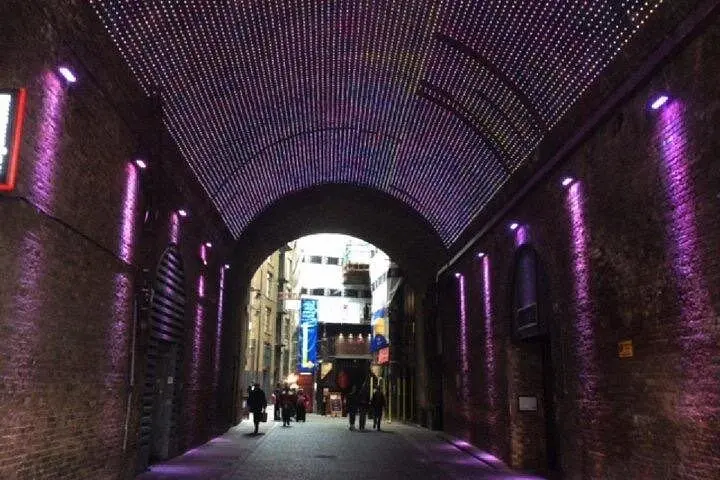
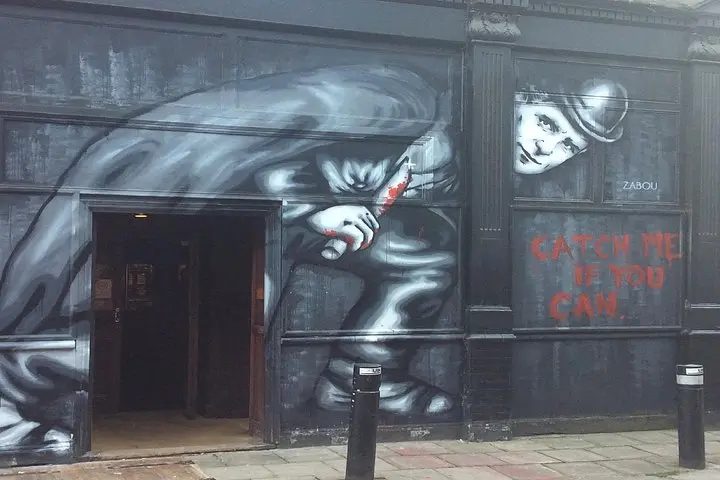
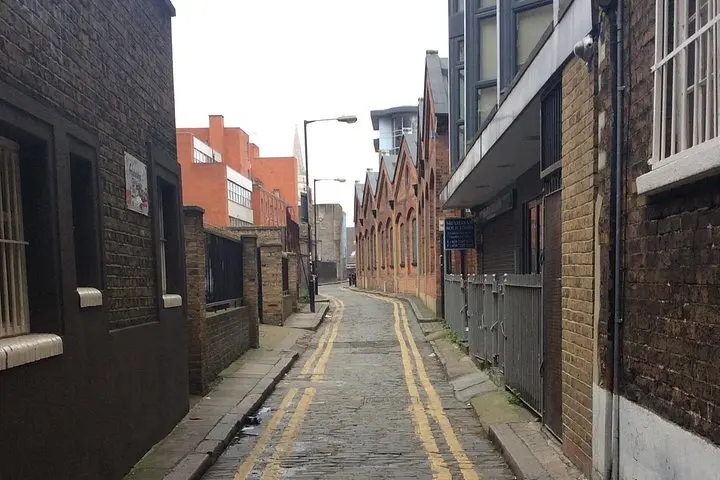
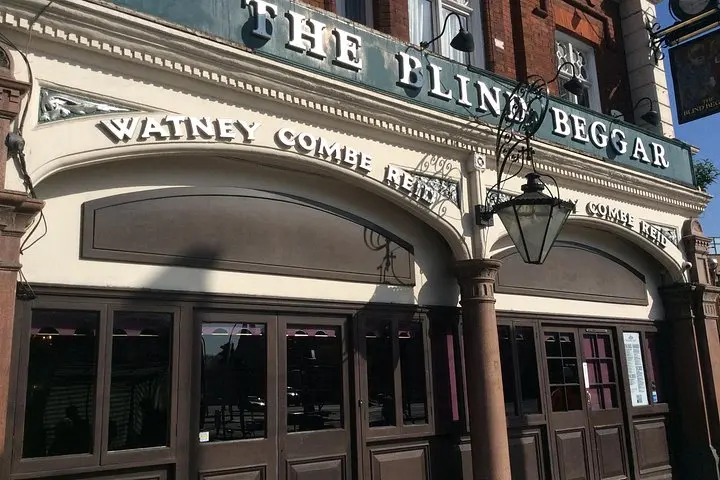
Fog and lamp light hang low over the narrow streets of Whitechapel as a guide leads a small group into the East End, voice lowered to match the pace of the lanes. The cobbles remember footsteps—market sellers, condemned prisoners and the hollowed steps of those who vanished into Victorian night. The Thames moves nearby, a dark ribbon that has watched London's punishments and parades for centuries.
Fog and lamp light hang low over the narrow streets of Whitechapel as a guide leads a small group into the East End, voice lowered to match the pace of the lanes. The cobbles remember footsteps—market sellers, condemned prisoners and the hollowed steps of those who vanished into Victorian night. The Thames moves nearby, a dark ribbon that has watched London's punishments and parades for centuries.
The route threads through neighborhoods shaped by commerce and cruelty: the Krays' East End, the alleys tied to Jack the Ripper, the workhouses of the Victorian poor and the grim market yards of Smithfield. Visitors stop at St. Bartholomew's to hear how medieval and Victorian institutions handled crime, then stand where Newgate and the Clink once held the condemned. Along the way the guide ties architecture and stone to social history—the market sheds, prison cellars, and a church that survived wartime bombing.
Expect a mix of social history and forensic curiosity rather than graphic sensationalism: the tour frames crime within poverty, policing and punishment over time. Much of central London's hard edges are visible—old execution sites, burial grounds like Crossbones, and the ironwork of market halls—so good footwear, layered clothing, and a charged phone for maps are practical essentials.
The three-hour private walk is best booked with clear start-point instructions and a readiness to navigate public transport before and after. It’s an urban walk that rewards attention: low voices, pointed questions and the close-up feel of a city that keeps its past in plain sight.