THE ADVENTURE COLLECTIVE® · Independent discovery and booking for outdoor travel

Walk through one of the world’s largest natural history collections with a guide, from Sophie the Stegosaurus to moon rocks. This 2–3 hour guided highlights tour combines fossil giants, rare minerals and cultural stories into a compact, informative visit.
Walk through one of the world’s largest natural history collections with a guide, from Sophie the Stegosaurus to moon rocks. This 2–3 hour guided highlights tour combines fossil giants, rare minerals and cultural stories into a compact, informative visit.
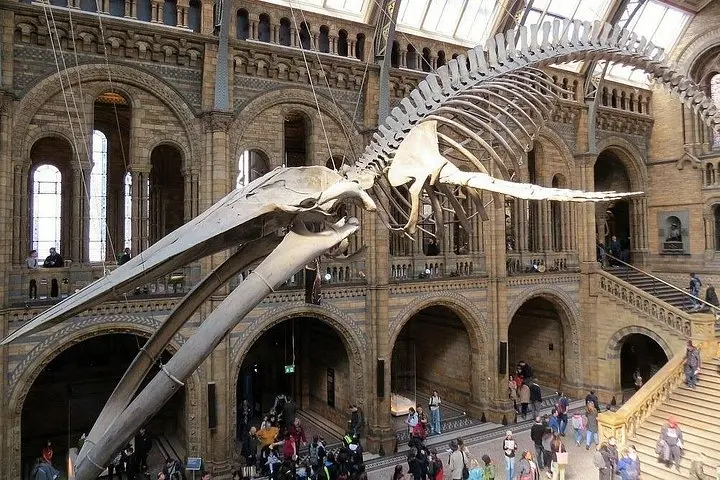
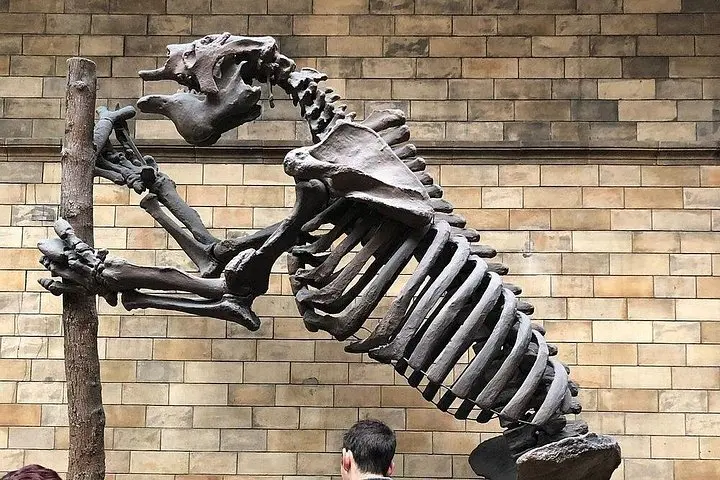
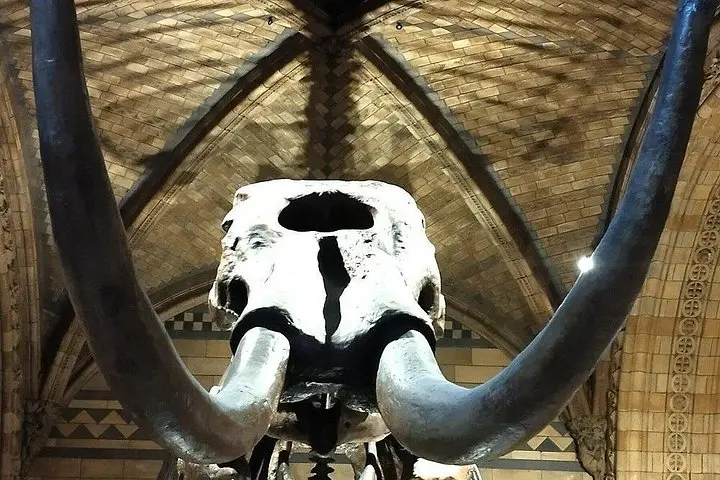
You step off Cromwell Road into a cool, echoing hall where stone and steel hold back centuries of collected life. Light from the high windows sketches ribs and vertebrae; Sophie the Stegosaurus appears to lean toward visitors, as if nudging them down the path of discovery.
Verified experiences and guided adventures in the surrounding area.
Operated by The Great Weekender · London, England
You step off Cromwell Road into a cool, echoing hall where stone and steel hold back centuries of collected life. Light from the high windows sketches ribs and vertebrae; Sophie the Stegosaurus appears to lean toward visitors, as if nudging them down the path of discovery.
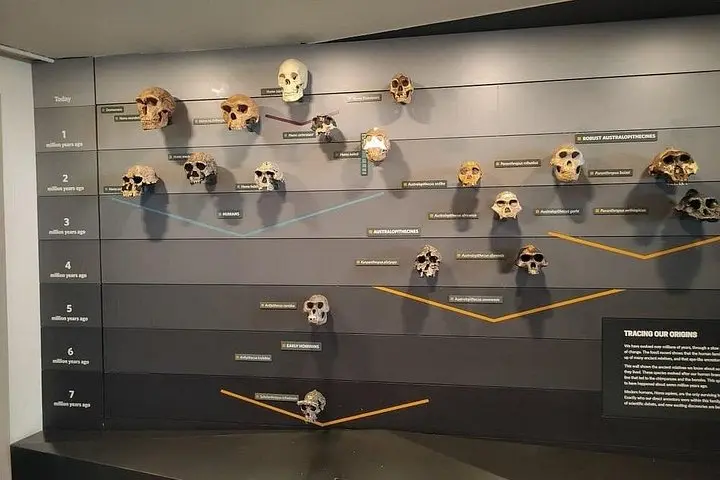
The Natural History Museum opened its doors in the late 19th century in an Alfred Waterhouse–designed building; today it houses about 80 million specimens that map earth history, evolution, and planetary geology. Here you can stand before an Archaeopteryx fossil that helped reframe the bird–dinosaur story, gawk at a cast of victims from Vesuvius, and trace the annual rings of a sequoia cross-section that was already a millennium old when it was felled.
Geology and astronomy meet in small vitrines: moon and Mars samples sit near gemstones and meteorites, each rock keeping a quiet, hard record of planetary events. Cultural threads run alongside the cabinets — Victorian collecting practices, imperial-era exchanges, and modern conservation research — all woven into how the displays are curated.
Practical pointers: the guided highlights tour runs about 2–3 hours and focuses on signature specimens and stories, so wear supportive shoes and expect a mix of standing and short walks. Photography for personal use is generally allowed; check restrictions for special exhibits. Use public transit to avoid limited parking, stow large bags in the cloakroom, and plan midweek mornings to avoid peak crowds. This is a touring experience that pairs an immersive narrative with close-up encounters of science and history — efficient for curious travelers who want context with their artifacts.
Yes — this guided highlights tour includes access to the museum’s main exhibition areas; check your booking confirmation for exact inclusions.
Yes — the museum is family-friendly and stroller-accessible, though some galleries have narrow paths and busy sections to navigate.
Personal photography without flash is generally allowed; special exhibitions may have restrictions—always follow signage and staff instructions.
Full refund is typically available if you cancel at least 24 hours before the scheduled departure; check your booking terms for specifics.
The Great Weekender operates guided outdoor trips and adventures with an emphasis on safety, stewardship, and memorable experiences.
You step off Cromwell Road into a cool, echoing hall where stone and steel hold back centuries of collected life. Light from the high windows sketches ribs and vertebrae; Sophie the Stegosaurus appears to lean toward visitors, as if nudging them down the path of discovery.
You step off Cromwell Road into a cool, echoing hall where stone and steel hold back centuries of collected life. Light from the high windows sketches ribs and vertebrae; Sophie the Stegosaurus appears to lean toward visitors, as if nudging them down the path of discovery.
The Natural History Museum opened its doors in the late 19th century in an Alfred Waterhouse–designed building; today it houses about 80 million specimens that map earth history, evolution, and planetary geology. Here you can stand before an Archaeopteryx fossil that helped reframe the bird–dinosaur story, gawk at a cast of victims from Vesuvius, and trace the annual rings of a sequoia cross-section that was already a millennium old when it was felled.
Geology and astronomy meet in small vitrines: moon and Mars samples sit near gemstones and meteorites, each rock keeping a quiet, hard record of planetary events. Cultural threads run alongside the cabinets — Victorian collecting practices, imperial-era exchanges, and modern conservation research — all woven into how the displays are curated.
Practical pointers: the guided highlights tour runs about 2–3 hours and focuses on signature specimens and stories, so wear supportive shoes and expect a mix of standing and short walks. Photography for personal use is generally allowed; check restrictions for special exhibits. Use public transit to avoid limited parking, stow large bags in the cloakroom, and plan midweek mornings to avoid peak crowds. This is a touring experience that pairs an immersive narrative with close-up encounters of science and history — efficient for curious travelers who want context with their artifacts.