THE ADVENTURE COLLECTIVE® · Independent discovery and booking for outdoor travel

Walk the darker corners of historic London on a two‑hour guided tour that traces notorious serial‑killer cases and the Victorian streets that held them. Expect archival storytelling, uneven cobbles, and a respectful, investigative tone.
Walk the darker corners of historic London on a two‑hour guided tour that traces notorious serial‑killer cases and the Victorian streets that held them. Expect archival storytelling, uneven cobbles, and a respectful, investigative tone.
The tour begins where gaslight would have flickered: beneath low brick arches and along narrow, rain-slick lanes that still remember the footsteps of late‑Victorian London. Guides lead small groups after dusk, the city’s hum receding as alleys steepen and the stories sharpen; lamplight becomes a tool for reading shadowed façades and iron fences.
Verified experiences and guided adventures in the surrounding area.
Operated by Brit Icon Tours · London, England
The tour begins where gaslight would have flickered: beneath low brick arches and along narrow, rain-slick lanes that still remember the footsteps of late‑Victorian London. Guides lead small groups after dusk, the city’s hum receding as alleys steepen and the stories sharpen; lamplight becomes a tool for reading shadowed façades and iron fences.
History sits heavy here. The walk threads sites associated with infamous cases from the 19th and 20th centuries — most famously Jack the Ripper — and traces how rapid urbanization, poverty, and the limits of early forensic work created a landscape both literal and procedural for crime. Geology is subtle: clay soils, compacted cobbles and River Thames backwaters shaped neighbourhood layouts, and narrow courts became places where the city’s edges met its anonymity. Culturally, the tour speaks to London’s layered past — immigration, market trade, and policing reforms — all visible in surviving terraces and market streets.
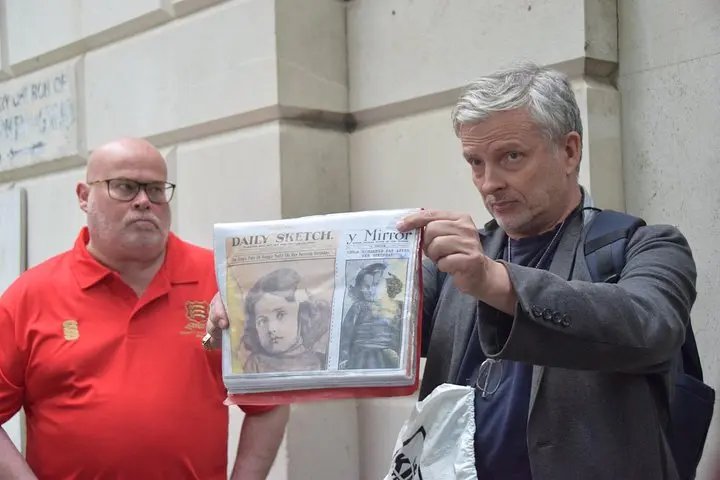
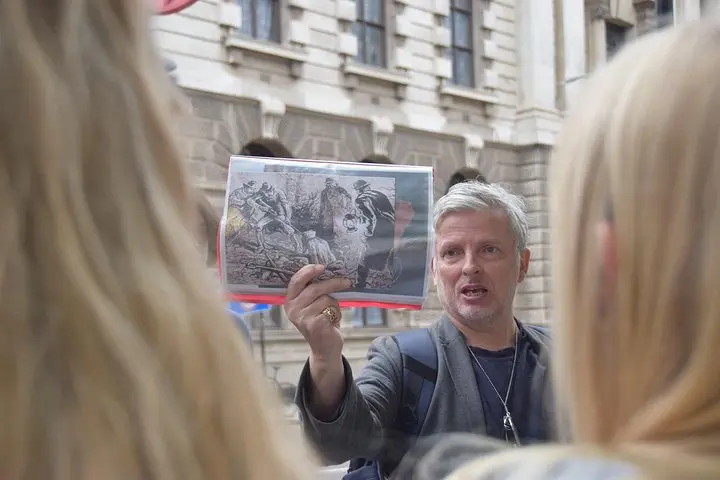
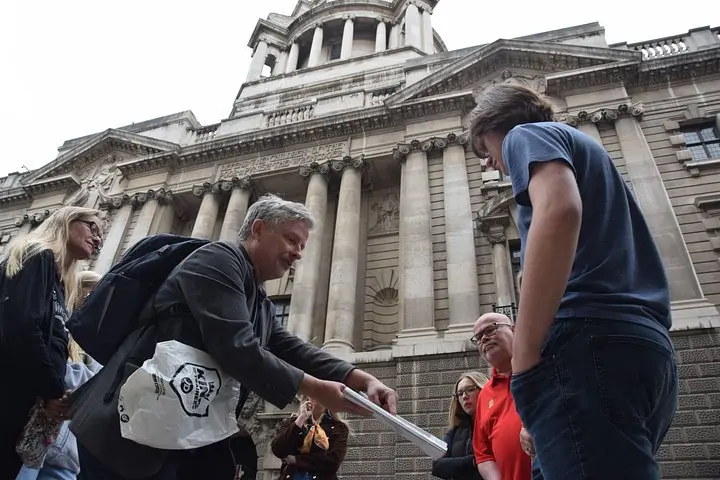
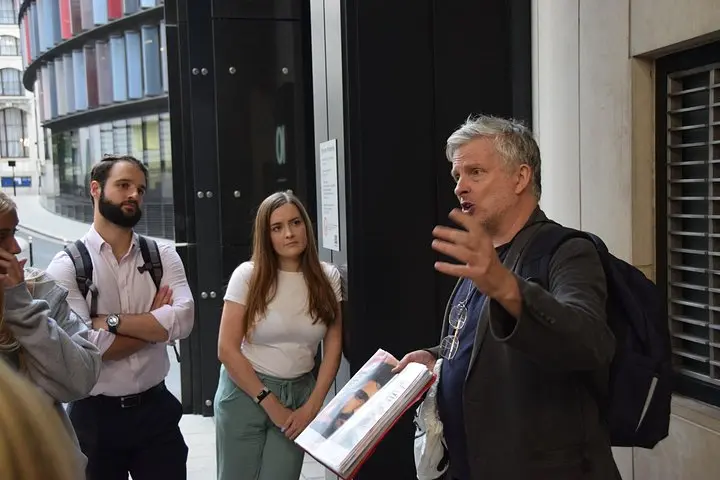
Practical notes are clear: expect two hours on foot over uneven pavement and steps; the mood is graphic but educational. Guides use case files and archive images, balance sensational detail with context, and invite thoughtful questions rather than cheap thrills. Travelers should wear sturdy shoes, bring a rain layer, and plan for public-transport returns; many tours start near Whitechapel or central London Tube stations. Because this walk engages with real crimes and victims, participants are asked to be respectful of sites still within living communities. For those drawn to true‑crime history, it’s an immersive, rigorous look at how a city and its people were shaped by violence and by the responses it demanded.
Meeting points vary by operator but are typically near a central Tube station such as Whitechapel or Aldgate; check your booking confirmation for exact details.
Content covers violent crimes and may be distressing; the tour is generally recommended for older teens and adults.
Yes, photography is usually permitted, but guides ask visitors to be respectful at locations that are private residences or memorials.
Many streets and alleys have cobbles, steps, and narrow passages; accessibility is limited—contact the operator before booking to discuss accommodations.
Brit Icon Tours operates guided outdoor trips and adventures with an emphasis on safety, stewardship, and memorable experiences.
The tour begins where gaslight would have flickered: beneath low brick arches and along narrow, rain-slick lanes that still remember the footsteps of late‑Victorian London. Guides lead small groups after dusk, the city’s hum receding as alleys steepen and the stories sharpen; lamplight becomes a tool for reading shadowed façades and iron fences.
The tour begins where gaslight would have flickered: beneath low brick arches and along narrow, rain-slick lanes that still remember the footsteps of late‑Victorian London. Guides lead small groups after dusk, the city’s hum receding as alleys steepen and the stories sharpen; lamplight becomes a tool for reading shadowed façades and iron fences.
History sits heavy here. The walk threads sites associated with infamous cases from the 19th and 20th centuries — most famously Jack the Ripper — and traces how rapid urbanization, poverty, and the limits of early forensic work created a landscape both literal and procedural for crime. Geology is subtle: clay soils, compacted cobbles and River Thames backwaters shaped neighbourhood layouts, and narrow courts became places where the city’s edges met its anonymity. Culturally, the tour speaks to London’s layered past — immigration, market trade, and policing reforms — all visible in surviving terraces and market streets.
Practical notes are clear: expect two hours on foot over uneven pavement and steps; the mood is graphic but educational. Guides use case files and archive images, balance sensational detail with context, and invite thoughtful questions rather than cheap thrills. Travelers should wear sturdy shoes, bring a rain layer, and plan for public-transport returns; many tours start near Whitechapel or central London Tube stations. Because this walk engages with real crimes and victims, participants are asked to be respectful of sites still within living communities. For those drawn to true‑crime history, it’s an immersive, rigorous look at how a city and its people were shaped by violence and by the responses it demanded.