THE ADVENTURE COLLECTIVE® · Independent discovery and booking for outdoor travel

Sip a Vesper where Fleming once drank and follow a former intelligence operative through Whitehall’s secretive corridors. This three-hour walk pairs cold-war stories with a two-course dinner for an intimate, fact-driven look at London’s espionage history.
Sip a Vesper where Fleming once drank and follow a former intelligence operative through Whitehall’s secretive corridors. This three-hour walk pairs cold-war stories with a two-course dinner for an intimate, fact-driven look at London’s espionage history.
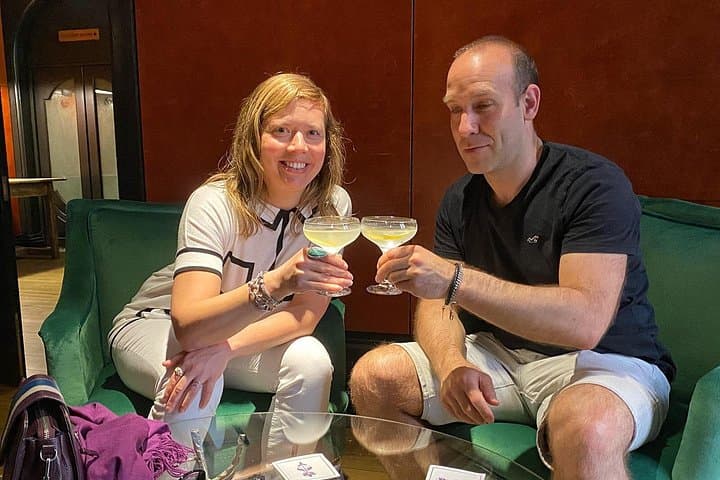
A chill wind threads down Caxton Street as the group gathers beneath the Art Nouveau façade of St Ermin’s Hotel — known in intelligence circles as the “House of Spies.” The guide, a former practitioner from the world of espionage, delivers a clipped briefing over a Vesper Martini, and suddenly London’s grey stone feels like a map of secrets waiting to be read.
Verified experiences and guided adventures in the surrounding area.
Operated by Imagine Experiences · London, England
A chill wind threads down Caxton Street as the group gathers beneath the Art Nouveau façade of St Ermin’s Hotel — known in intelligence circles as the “House of Spies.” The guide, a former practitioner from the world of espionage, delivers a clipped briefing over a Vesper Martini, and suddenly London’s grey stone feels like a map of secrets waiting to be read.
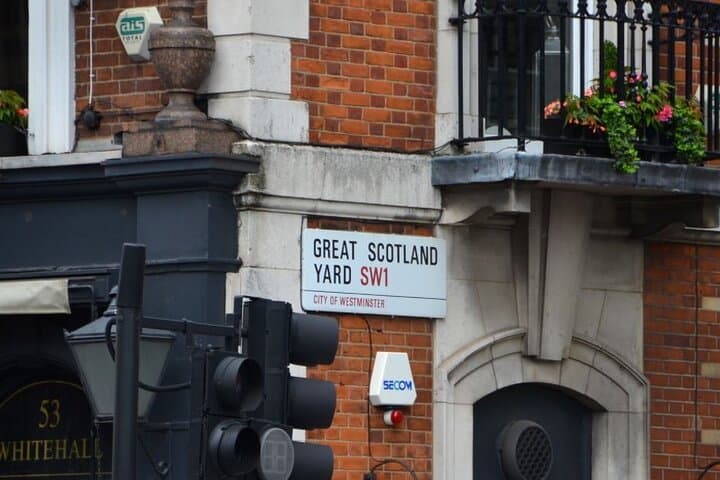
Walks lead through Queen Anne’s Gate, past wrought-iron gates and Portland stone façades that once hid MI6 safe-houses. The route traces the arc of Britain’s intelligence history: Elizabethan intrigue, the clandestine Great Game, the Cambridge spy ring, and Cold War tradecraft. Urban geology surfaces in the details — carved limestone steps, river-silt foundations under St James’s Park — reminders that the city’s architecture shaped how spies moved and hid.
Beyond espionage lore, the tour situates the culture of Whitehall: the bureaucratic pulse that enabled wartime SOE operations and the social clubs where agents exchanged rumours and coded jokes. Hidden corners reveal postal exchanges and back-alley approaches still used in period dramas.
Practical side: expect 3 hours of mostly level walking on paved streets and park paths, with pauses for stories and photography. Dress for changeable weather, bring ID (alcohol served), and be ready for a conversational debrief over a two-course dinner in a Whitehall club. The experience balances storytelling with historical context — ideal for travellers who want a deep, walkable dive into London’s quieter histories without needing specialist skills.
A Vesper (or non-alcoholic alternative) is included at the start and a two-course dinner with a choice of beer or wine is provided at the end.
The meeting point is St Ermin’s Hotel (Caxton Street) in Westminster — arrive 10–15 minutes early to check in.
The tour contains adult themes and alcohol service; organizers ask for age information when booking and it’s best suited to adults and mature teens with parental discretion.
Yes — dietary needs are requested at booking and the dinner venue will provide alternatives where possible.
Imagine Experiences operates guided outdoor trips and adventures with an emphasis on safety, stewardship, and memorable experiences.


A chill wind threads down Caxton Street as the group gathers beneath the Art Nouveau façade of St Ermin’s Hotel — known in intelligence circles as the “House of Spies.” The guide, a former practitioner from the world of espionage, delivers a clipped briefing over a Vesper Martini, and suddenly London’s grey stone feels like a map of secrets waiting to be read.
A chill wind threads down Caxton Street as the group gathers beneath the Art Nouveau façade of St Ermin’s Hotel — known in intelligence circles as the “House of Spies.” The guide, a former practitioner from the world of espionage, delivers a clipped briefing over a Vesper Martini, and suddenly London’s grey stone feels like a map of secrets waiting to be read.
Walks lead through Queen Anne’s Gate, past wrought-iron gates and Portland stone façades that once hid MI6 safe-houses. The route traces the arc of Britain’s intelligence history: Elizabethan intrigue, the clandestine Great Game, the Cambridge spy ring, and Cold War tradecraft. Urban geology surfaces in the details — carved limestone steps, river-silt foundations under St James’s Park — reminders that the city’s architecture shaped how spies moved and hid.
Beyond espionage lore, the tour situates the culture of Whitehall: the bureaucratic pulse that enabled wartime SOE operations and the social clubs where agents exchanged rumours and coded jokes. Hidden corners reveal postal exchanges and back-alley approaches still used in period dramas.
Practical side: expect 3 hours of mostly level walking on paved streets and park paths, with pauses for stories and photography. Dress for changeable weather, bring ID (alcohol served), and be ready for a conversational debrief over a two-course dinner in a Whitehall club. The experience balances storytelling with historical context — ideal for travellers who want a deep, walkable dive into London’s quieter histories without needing specialist skills.