
London’s Millennia of Medical Progress: Private Medical History Walking Tour
Walk four centuries of breakthroughs and crises on a private, four-hour tour through London’s medical past. From plague burial grounds to the first operating theatres, this route explains how disasters sparked modern healthcare.
An Adventure In London.
Walk four centuries of breakthroughs and crises on a private, four-hour tour through London’s medical past. From plague burial grounds to the first operating theatres, this route explains how disasters sparked modern healthcare.
Read the full experience
The tour opens on a cool morning in Bloomsbury, where garden squares hold the hush of old hospitals and the city smells faintly of rain and roasting chestnuts. You move through narrow streets that still remember plague carts, past a water pump that changed public health, and into churchyards where medicinal herbs once grew in beds tended by monks.
The tour opens on a cool morning in Bloomsbury, where garden squares hold the hush of old hospitals and the city smells faintly of rain and roasting chestnuts. You move through narrow streets that still remember plague carts, past a water pump that changed public health, and into churchyards where medicinal herbs once grew in beds tended by monks.
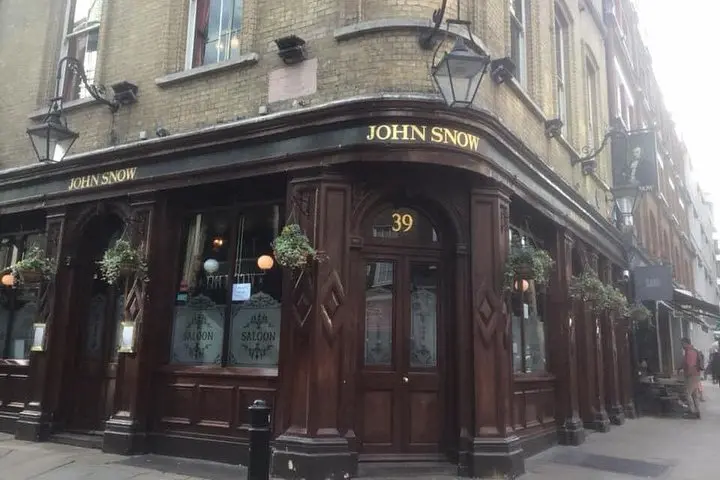
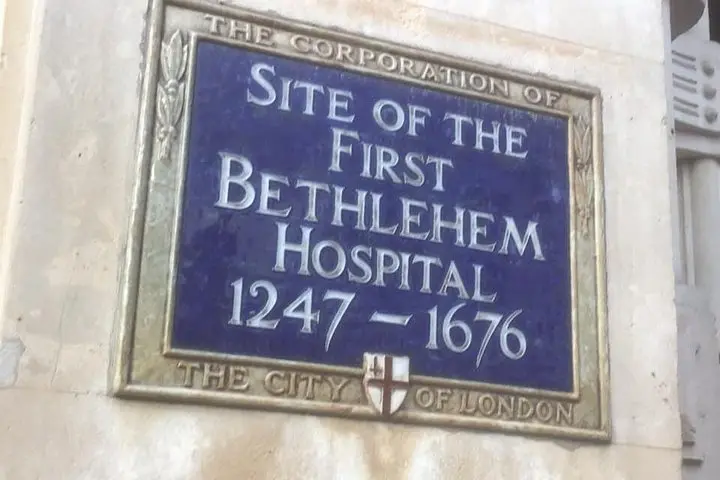
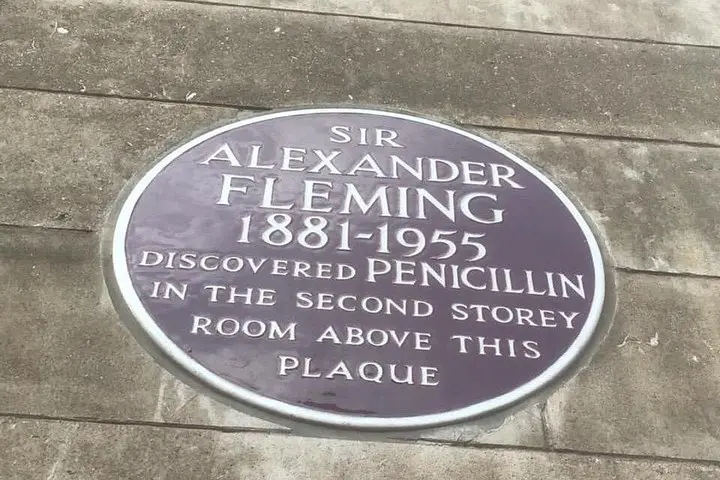
Across four hours the guide threads stories of Rahere and St Bartholomew’s—one of the oldest hospitals in the West—Florence Nightingale’s early nursing company, John Snow’s cholera map and the Jenner statue in Hyde Park. The route traces London’s response to disaster: medieval hospitals, Victorian workhouse medicine, early operating theatres and the laboratories where antibiotics and vaccines shifted modern life.
Geology is urban here—river silts around the Thames shaped settlement patterns and fed the wells that later caused outbreaks—while culture appears in almshouses, soup kitchens and market lanes where the sick and poor once gathered. The tour balances grim episodes (body-snatching and epidemics) with breakthroughs that reshaped care.
Practical guidance: expect about 4 miles on foot over pavements and cobbles with frequent stops; moderate fitness and steady shoes are recommended. Bring a rain layer and a refillable water bottle, and plan for tube travel between segments if you prefer less walking. Photography is usually fine outside sites; special-entry museums require advance booking. This is a walking history with a practical edge—clear, sometimes sobering, and deeply rooted in how London learned to fight disease.
Frequently asked questions
The tour lasts about 4 hours and covers roughly 3–5 miles on paved streets with several stops; pace is relaxed with storytelling at each site.
The base private tour includes guided visits and external stops; optional museum entries (Old Operating Theatre, some hospital museums) require advance booking and may cost extra.
Infants in strollers are accommodated, but the route includes cobbles, stairs in older buildings and some Tube travel—moderate fitness is recommended; contact the operator to arrange adjustments.
The meeting point is in Bloomsbury with multiple bus and Tube connections nearby; exact start location is confirmed after booking.
About This Experience
Ye Olde England Tours operates guided outdoor trips and adventures with an emphasis on safety, stewardship, and memorable experiences.
Adventure tips
Recommended gear
- Supportive walking shoes: Stable soles and good grip for cobbles and uneven pavement.
- Light waterproof jacket: Protects against frequent light rain and wind in central London.
- Refillable water bottle: Keeps you hydrated during longer outdoor sections—many stations have refill points.
- Compact umbrella or warm hat: Useful for winter rain or cold snaps during outside stops.
Photos of the experience
Related adventures & guides
Read the full experience
The tour opens on a cool morning in Bloomsbury, where garden squares hold the hush of old hospitals and the city smells faintly of rain and roasting chestnuts. You move through narrow streets that still remember plague carts, past a water pump that changed public health, and into churchyards where medicinal herbs once grew in beds tended by monks.
The tour opens on a cool morning in Bloomsbury, where garden squares hold the hush of old hospitals and the city smells faintly of rain and roasting chestnuts. You move through narrow streets that still remember plague carts, past a water pump that changed public health, and into churchyards where medicinal herbs once grew in beds tended by monks.
Across four hours the guide threads stories of Rahere and St Bartholomew’s—one of the oldest hospitals in the West—Florence Nightingale’s early nursing company, John Snow’s cholera map and the Jenner statue in Hyde Park. The route traces London’s response to disaster: medieval hospitals, Victorian workhouse medicine, early operating theatres and the laboratories where antibiotics and vaccines shifted modern life.
Geology is urban here—river silts around the Thames shaped settlement patterns and fed the wells that later caused outbreaks—while culture appears in almshouses, soup kitchens and market lanes where the sick and poor once gathered. The tour balances grim episodes (body-snatching and epidemics) with breakthroughs that reshaped care.
Practical guidance: expect about 4 miles on foot over pavements and cobbles with frequent stops; moderate fitness and steady shoes are recommended. Bring a rain layer and a refillable water bottle, and plan for tube travel between segments if you prefer less walking. Photography is usually fine outside sites; special-entry museums require advance booking. This is a walking history with a practical edge—clear, sometimes sobering, and deeply rooted in how London learned to fight disease.
Make a day of it nearby.
Verified experiences and guided adventures in the surrounding area.