THE ADVENTURE COLLECTIVE® · Independent discovery and booking for outdoor travel

Experience the Longqing Gorge Ice Lantern Festival after dark, then thaw out over a coal-heated Mongolian hot pot. This private winter evening tour pairs illuminated ice sculptures in a dramatic canyon with authentic northern Chinese cuisine.
Experience the Longqing Gorge Ice Lantern Festival after dark, then thaw out over a coal-heated Mongolian hot pot. This private winter evening tour pairs illuminated ice sculptures in a dramatic canyon with authentic northern Chinese cuisine.
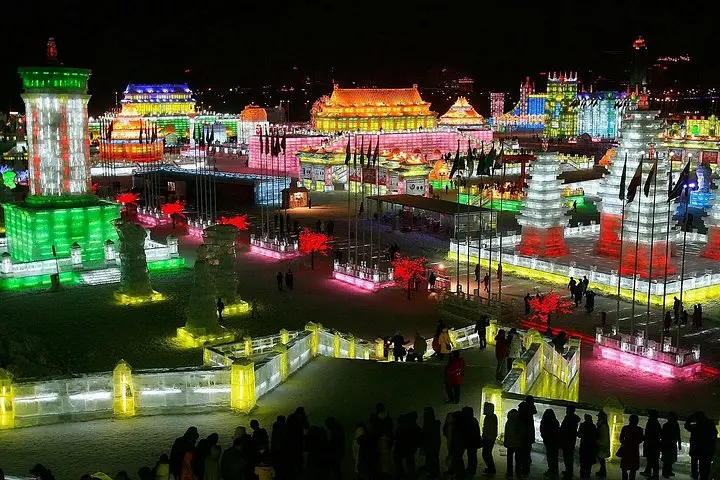
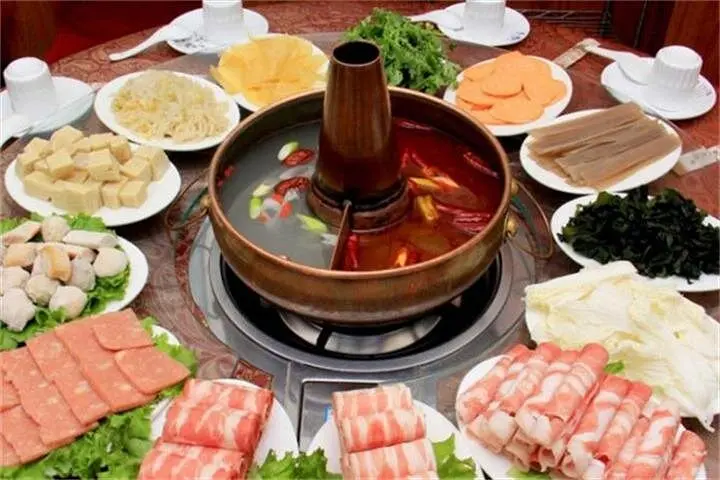
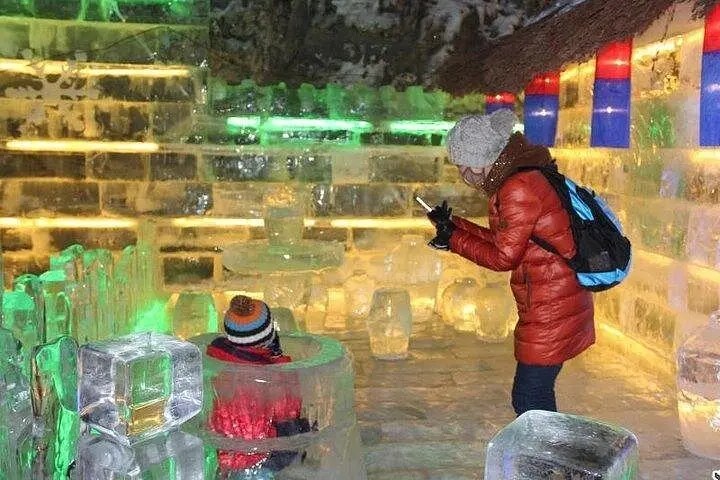
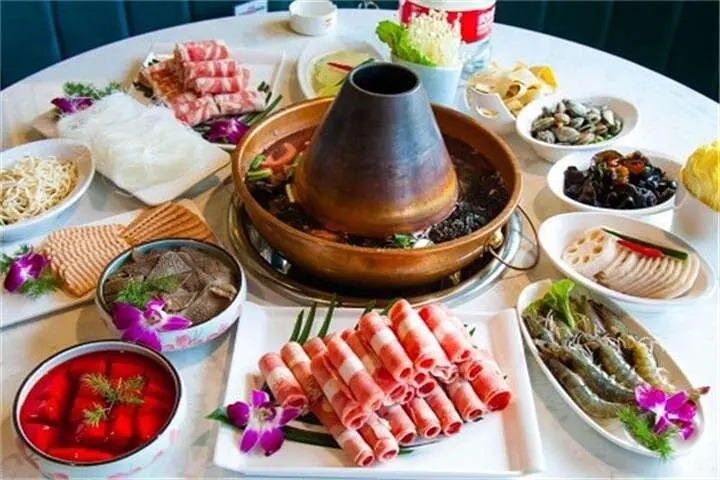
The gorge exhales cold light as dusk falls: carved ice arches and lanterns line the canyon, and steam curls from a coal-heated Mongolian hot pot at a small table where hands hover over savory broth.
Verified experiences and guided adventures in the surrounding area.
Operated by Lily's Tour Company · Yanqing, Beijing
The gorge exhales cold light as dusk falls: carved ice arches and lanterns line the canyon, and steam curls from a coal-heated Mongolian hot pot at a small table where hands hover over savory broth.
Longqing Gorge (Longqingxia) sits in Yanqing County northwest of central Beijing, a steep, river-cut canyon of limestone and schist. The gorge’s narrow cliffs and seasonal freezes make it ideal for the annual Ice Lantern Festival, when artisans sculpt blocks into tunnels, animals, and illuminated pagodas along roughly 300 meters of waterfront.
Historically the area has been a local quarry and river passage; more recently Yanqing gained global attention as a 2022 Winter Olympic competition zone, and the festival leans into that winter-sport energy. The Mongolian hot pot you’ll eat is a practical, communal tradition—coal-steamed and quick to warm fingers and boots—rooted in northern China’s cold-season foodways.
Expect easy walking on packed paths and occasional icy patches; the sculptures glow after dark and the light plays across the water that still dares to move beneath the ice. A private vehicle transfers you from Beijing and back, with about two hours to meander the illuminated displays and 60–90 minutes for dinner.
Practical tips: dress in insulated layers, use grippy boots for icy surfaces, and bring a camera with spare batteries (cold drains power). Allow extra time for photos and for the guide to help with local sauces and ingredients if you’re new to Mongolian hot pot. The trip is low-impact but high on sensory payoff—cold air, warm broth, and carved light in a deep canyon.
Yes, the itinerary indicates festival admission is included as part of the tour.
Yes—vegetarian options are available; notify the operator at booking to ensure suitable ingredients.
The tour notes wheelchair-accessible transportation and accessible options, but terrain around sculptures may have limitations—check specific needs when booking.
Evenings can drop below freezing; dress children in insulated layers, hats, gloves, and warm footwear—bring hand warmers if needed.
Lily's Tour Company operates guided outdoor trips and adventures with an emphasis on safety, stewardship, and memorable experiences.
The gorge exhales cold light as dusk falls: carved ice arches and lanterns line the canyon, and steam curls from a coal-heated Mongolian hot pot at a small table where hands hover over savory broth.
The gorge exhales cold light as dusk falls: carved ice arches and lanterns line the canyon, and steam curls from a coal-heated Mongolian hot pot at a small table where hands hover over savory broth.
Longqing Gorge (Longqingxia) sits in Yanqing County northwest of central Beijing, a steep, river-cut canyon of limestone and schist. The gorge’s narrow cliffs and seasonal freezes make it ideal for the annual Ice Lantern Festival, when artisans sculpt blocks into tunnels, animals, and illuminated pagodas along roughly 300 meters of waterfront.
Historically the area has been a local quarry and river passage; more recently Yanqing gained global attention as a 2022 Winter Olympic competition zone, and the festival leans into that winter-sport energy. The Mongolian hot pot you’ll eat is a practical, communal tradition—coal-steamed and quick to warm fingers and boots—rooted in northern China’s cold-season foodways.
Expect easy walking on packed paths and occasional icy patches; the sculptures glow after dark and the light plays across the water that still dares to move beneath the ice. A private vehicle transfers you from Beijing and back, with about two hours to meander the illuminated displays and 60–90 minutes for dinner.
Practical tips: dress in insulated layers, use grippy boots for icy surfaces, and bring a camera with spare batteries (cold drains power). Allow extra time for photos and for the guide to help with local sauces and ingredients if you’re new to Mongolian hot pot. The trip is low-impact but high on sensory payoff—cold air, warm broth, and carved light in a deep canyon.