THE ADVENTURE COLLECTIVE® · Independent discovery and booking for outdoor travel

Explore Longyearbyen on a small-group photography walk led by a local guide. Learn composition and low-light techniques while touring the town’s unique Arctic streets and historical sites.
Explore Longyearbyen on a small-group photography walk led by a local guide. Learn composition and low-light techniques while touring the town’s unique Arctic streets and historical sites.
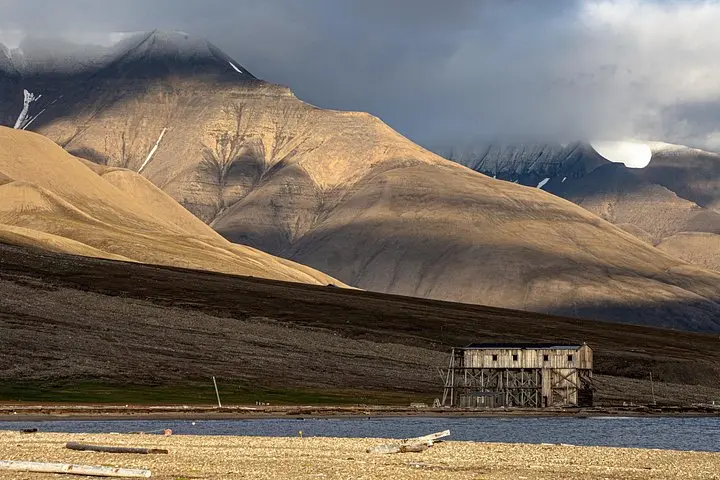
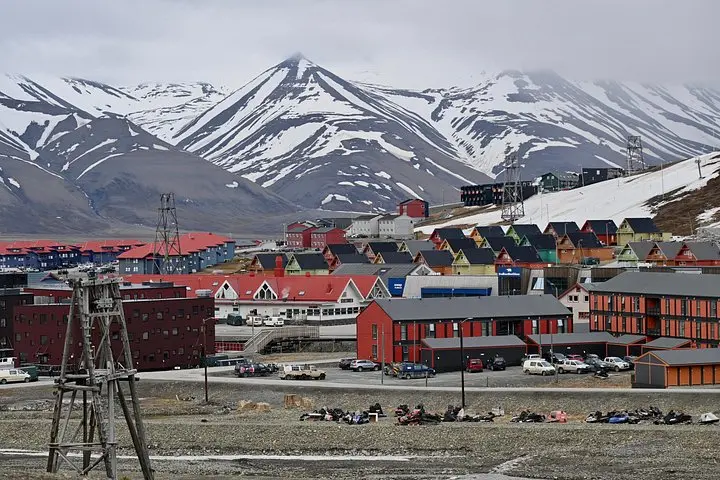
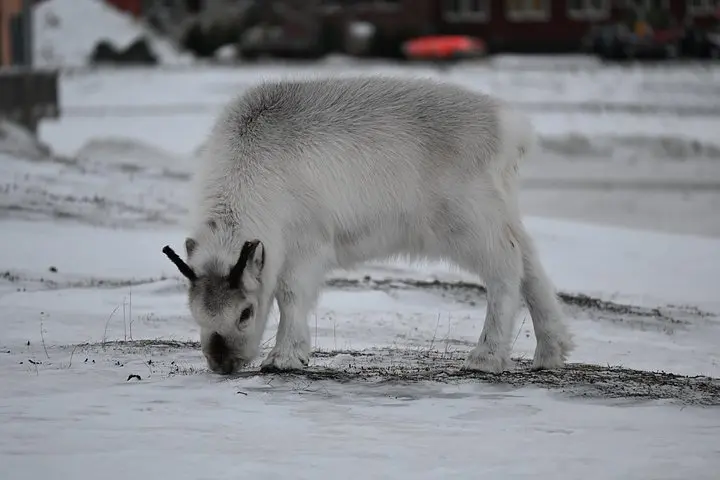
A hush settles over Longyearbyen when the polar night takes hold: low blue light wraps corrugated roofs, and the wind sculpts the snow into clean, graphic lines that reward a patient lens. On this three-hour guided walk a local photographer leads small groups through the settlement’s streets, offering compositional cues and directing attention to the town’s offbeat contrasts—bright-painted houses against glacier-blue horizons, industrial relics beside delicate birdlife.
Verified experiences and guided adventures in the surrounding area.
Operated by Better Moments Photo Exploring · Longyearbyen, Svalbard
A hush settles over Longyearbyen when the polar night takes hold: low blue light wraps corrugated roofs, and the wind sculpts the snow into clean, graphic lines that reward a patient lens. On this three-hour guided walk a local photographer leads small groups through the settlement’s streets, offering compositional cues and directing attention to the town’s offbeat contrasts—bright-painted houses against glacier-blue horizons, industrial relics beside delicate birdlife.
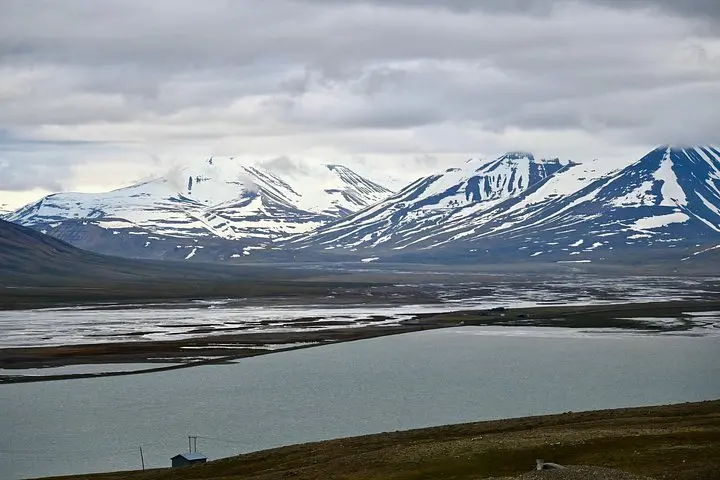
Founded in 1907 by John Munro Longyear as a coal-mining hub, the town remains one of the world’s northernmost permanent settlements. The landscape is defined by permafrost and glacial action; rocky outcrops and moraine tell the region’s geological story, while laws and customs—including restrictions on burials—reflect long-standing adaptations to Arctic realities.
Practically, the tour balances storytelling and technical coaching. Expect pacing that suits tripod setups, short photo stops, and pointers on exposure in low-light conditions—ideal from late October through mid-February for aurora photography. Guides emphasize safety around wildlife and the realities of Arctic weather; polar bears can appear outside town, so travelers should follow guide directions.
Bring insulated layers, traction on boots for icy sidewalks, and spare camera batteries (cold accelerates drain). Midday light in summer shifts to extended golden hours, while winter’s polar night delivers long stretches of soft, directional illumination. The walk is accessible to most with moderate mobility, but steady footing and cold-weather preparedness are essential. For photographers and curious travelers alike, this tour turns Longyearbyen’s stark, human-scaled townscape into a deliberate, frameable Arctic experience.
The polar night (late October–mid-February) offers the best chance; guides pick evenings with clear skies and low light pollution for aurora viewing.
Yes—guides provide basic composition and exposure tips; beginners will get practical coaching and time to set up shots.
Expect typical polar night temps between −13°C and −25°C (9°F to −13°F); bring layered clothing, insulated boots, and hand warmers.
Guides are trained in local safety protocols; tours stay within safe areas and follow strict guidance if wildlife is nearby.
Better Moments Photo Exploring operates guided outdoor trips and adventures with an emphasis on safety, stewardship, and memorable experiences.
A hush settles over Longyearbyen when the polar night takes hold: low blue light wraps corrugated roofs, and the wind sculpts the snow into clean, graphic lines that reward a patient lens. On this three-hour guided walk a local photographer leads small groups through the settlement’s streets, offering compositional cues and directing attention to the town’s offbeat contrasts—bright-painted houses against glacier-blue horizons, industrial relics beside delicate birdlife.
A hush settles over Longyearbyen when the polar night takes hold: low blue light wraps corrugated roofs, and the wind sculpts the snow into clean, graphic lines that reward a patient lens. On this three-hour guided walk a local photographer leads small groups through the settlement’s streets, offering compositional cues and directing attention to the town’s offbeat contrasts—bright-painted houses against glacier-blue horizons, industrial relics beside delicate birdlife.
Founded in 1907 by John Munro Longyear as a coal-mining hub, the town remains one of the world’s northernmost permanent settlements. The landscape is defined by permafrost and glacial action; rocky outcrops and moraine tell the region’s geological story, while laws and customs—including restrictions on burials—reflect long-standing adaptations to Arctic realities.
Practically, the tour balances storytelling and technical coaching. Expect pacing that suits tripod setups, short photo stops, and pointers on exposure in low-light conditions—ideal from late October through mid-February for aurora photography. Guides emphasize safety around wildlife and the realities of Arctic weather; polar bears can appear outside town, so travelers should follow guide directions.
Bring insulated layers, traction on boots for icy sidewalks, and spare camera batteries (cold accelerates drain). Midday light in summer shifts to extended golden hours, while winter’s polar night delivers long stretches of soft, directional illumination. The walk is accessible to most with moderate mobility, but steady footing and cold-weather preparedness are essential. For photographers and curious travelers alike, this tour turns Longyearbyen’s stark, human-scaled townscape into a deliberate, frameable Arctic experience.