THE ADVENTURE COLLECTIVE® · Independent discovery and booking for outdoor travel

Spend a full day chasing dorado, yellowtail, sailfish, or marlin from a fast center-console off Loreto. Local captains know the islands and currents; you bring the appetite for a fight and sun-smart layering.
Spend a full day chasing dorado, yellowtail, sailfish, or marlin from a fast center-console off Loreto. Local captains know the islands and currents; you bring the appetite for a fight and sun-smart layering.
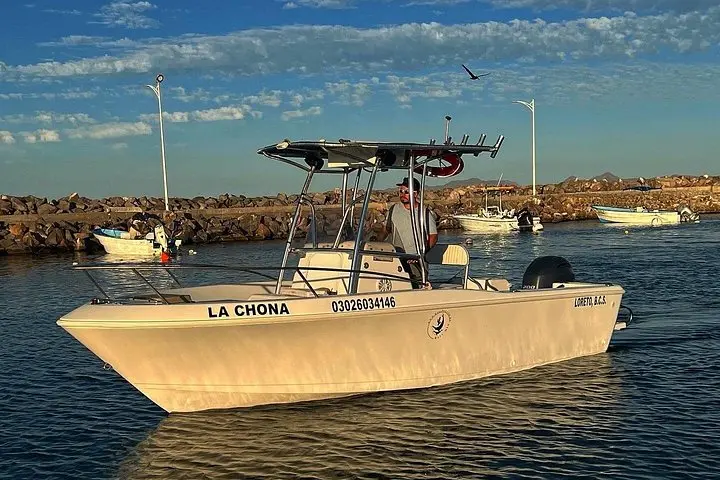
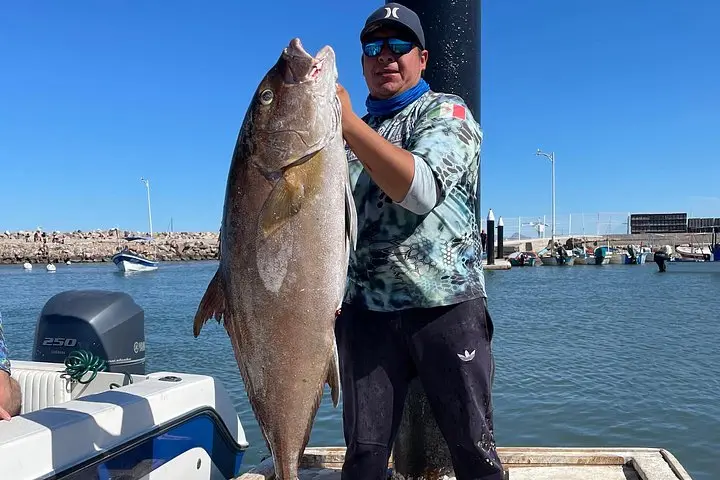
The engine coughs at first light off Loreto’s malecon, then settles into a confident hum as the center-console cuts through glassy Gulf water. Salt hits the nose, a gull rides the bow wake, and the islands—black cones of volcanic rock—loom like navigation markers. Captains here read currents and birdline the way others read maps; their hands know the weight of a mahi-mahi or the sudden drag of a marlin before the rod bends.
Verified experiences and guided adventures in the surrounding area.
Operated by BAJA MIA ACTIVITIES · Loreto, Baja California Sur
The engine coughs at first light off Loreto’s malecon, then settles into a confident hum as the center-console cuts through glassy Gulf water. Salt hits the nose, a gull rides the bow wake, and the islands—black cones of volcanic rock—loom like navigation markers. Captains here read currents and birdline the way others read maps; their hands know the weight of a mahi-mahi or the sudden drag of a marlin before the rod bends.
Loreto's relationship with the Sea of Cortez is older than tourism. Founded as one of the first Spanish missions in the late 1600s, the town grew around fishing—an economy and a culture shaped by tides and the rocky reefs that rise close to shore. Geologically, the islands that dot this stretch—Isla Coronado, Carmen, Monserrate—are volcanic relics that funnel nutrients and create upwellings, attracting baitfish and predators in turn.
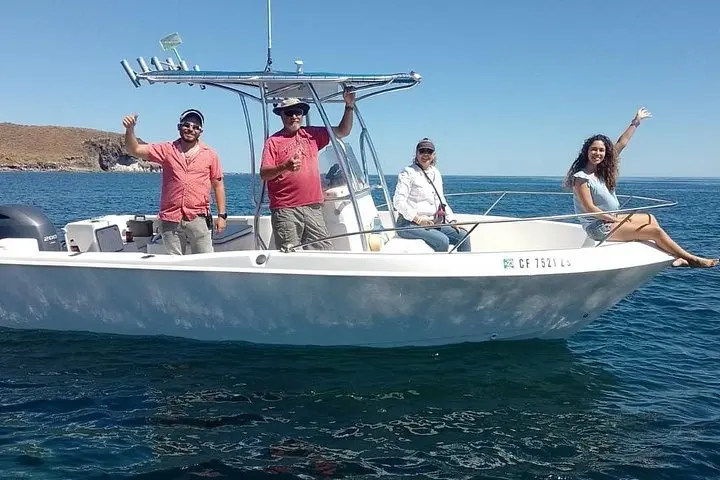
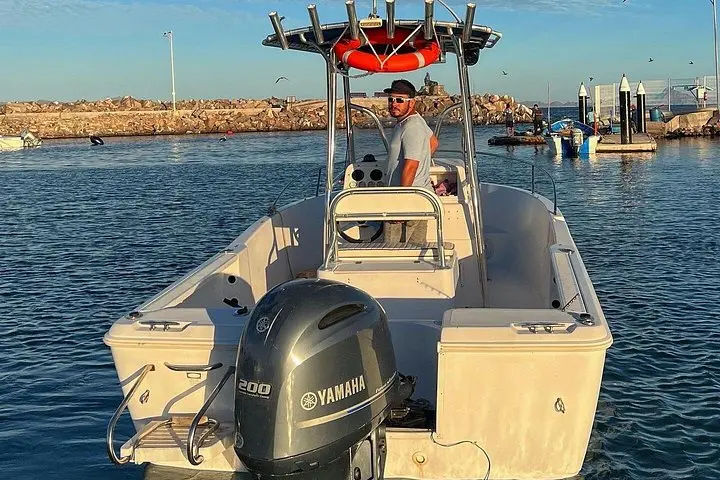
A day aboard a center-console here is practical and purposeful. The boats are open, fast, and roomy enough for anglers to move freely; gear is provided and snacks and water are included. Depending on the season, the targets change: summer brings dorado, sailfish, and several marlin species—ideal for fly anglers chasing airborne strikes—while winter shifts the focus to yellowtail and rock-associated species that lurk near pinnacles.
Beyond the fishing, Loreto offers quieter rhythms: a short walk back from the marina finds a small market with freshly grilled fish tacos, and a mission church that marks the town’s colonial past. The marine park that surrounds these islands is also one of Mexico’s better-managed coastal reserves—fishermen here often practice selective harvesting and catch-and-release for billfish.
Practical notes: the trip runs about eight hours, and typical productive grounds sit roughly 10–30 nautical miles from the marina depending on conditions. Expect varied techniques—trolling to find active schools, then pitching lures or bait for hook-set drama. Morning launches catch calmer seas and warmer light for photography; afternoons can be windier.
What to bring: sun protection, layers for early chill on the water, a small dry bag for electronics, and motion-sickness remedies if you’re sensitive. The crew stocks water and snacks, and will help with fighting fish and photo shots, but good footwear and a steady grip matter. If you want to fly fish for marlin, mention it when booking so the crew can tailor tackle and tactics.
In short, this is a day that balances local knowledge and open-ocean promise—the sort of trip where a sudden pull at the end of your line makes you remember why people have lived and worked on this coast for generations.
Meet at Baja Mia Suites inside Cafe La Hermosa on the Malecon, about 20 meters north of the downtown marina; the crew will check you in there.
Yes—basic rods, reels, terminal tackle, and bait are provided; let the operator know in advance if you need specialized fly-fishing setups.
Most center-console boats used on this trip include a small onboard restroom; the marina also has facilities before departure.
Summer: dorado, sailfish, and marlin species; winter: yellowtail and rock-associated species—exact targets depend on season and sea conditions.
Yes but infants must sit on laps; the operator notes the tour is suitable for all physical fitness levels but not recommended for pregnant travelers or those with serious back issues.
Full refund if canceled at least 24 hours before departure; trips may be canceled for bad weather with refund eligibility specified in booking terms.
BAJA MIA ACTIVITIES operates guided outdoor trips and adventures with an emphasis on safety, stewardship, and memorable experiences.
The engine coughs at first light off Loreto’s malecon, then settles into a confident hum as the center-console cuts through glassy Gulf water. Salt hits the nose, a gull rides the bow wake, and the islands—black cones of volcanic rock—loom like navigation markers. Captains here read currents and birdline the way others read maps; their hands know the weight of a mahi-mahi or the sudden drag of a marlin before the rod bends.
The engine coughs at first light off Loreto’s malecon, then settles into a confident hum as the center-console cuts through glassy Gulf water. Salt hits the nose, a gull rides the bow wake, and the islands—black cones of volcanic rock—loom like navigation markers. Captains here read currents and birdline the way others read maps; their hands know the weight of a mahi-mahi or the sudden drag of a marlin before the rod bends.
Loreto's relationship with the Sea of Cortez is older than tourism. Founded as one of the first Spanish missions in the late 1600s, the town grew around fishing—an economy and a culture shaped by tides and the rocky reefs that rise close to shore. Geologically, the islands that dot this stretch—Isla Coronado, Carmen, Monserrate—are volcanic relics that funnel nutrients and create upwellings, attracting baitfish and predators in turn.
A day aboard a center-console here is practical and purposeful. The boats are open, fast, and roomy enough for anglers to move freely; gear is provided and snacks and water are included. Depending on the season, the targets change: summer brings dorado, sailfish, and several marlin species—ideal for fly anglers chasing airborne strikes—while winter shifts the focus to yellowtail and rock-associated species that lurk near pinnacles.
Beyond the fishing, Loreto offers quieter rhythms: a short walk back from the marina finds a small market with freshly grilled fish tacos, and a mission church that marks the town’s colonial past. The marine park that surrounds these islands is also one of Mexico’s better-managed coastal reserves—fishermen here often practice selective harvesting and catch-and-release for billfish.
Practical notes: the trip runs about eight hours, and typical productive grounds sit roughly 10–30 nautical miles from the marina depending on conditions. Expect varied techniques—trolling to find active schools, then pitching lures or bait for hook-set drama. Morning launches catch calmer seas and warmer light for photography; afternoons can be windier.
What to bring: sun protection, layers for early chill on the water, a small dry bag for electronics, and motion-sickness remedies if you’re sensitive. The crew stocks water and snacks, and will help with fighting fish and photo shots, but good footwear and a steady grip matter. If you want to fly fish for marlin, mention it when booking so the crew can tailor tackle and tactics.
In short, this is a day that balances local knowledge and open-ocean promise—the sort of trip where a sudden pull at the end of your line makes you remember why people have lived and worked on this coast for generations.