THE ADVENTURE COLLECTIVE® · Independent discovery and booking for outdoor travel

Spend a day moving from mangrove channels and Taino-marked caves in Los Haitises National Park to the powder-white sands of Cayo Levantado. This full-day boat trip blends wildlife watching, short guided walks and an afternoon on the beach—ideal for travelers based in Samaná.
Spend a day moving from mangrove channels and Taino-marked caves in Los Haitises National Park to the powder-white sands of Cayo Levantado. This full-day boat trip blends wildlife watching, short guided walks and an afternoon on the beach—ideal for travelers based in Samaná.
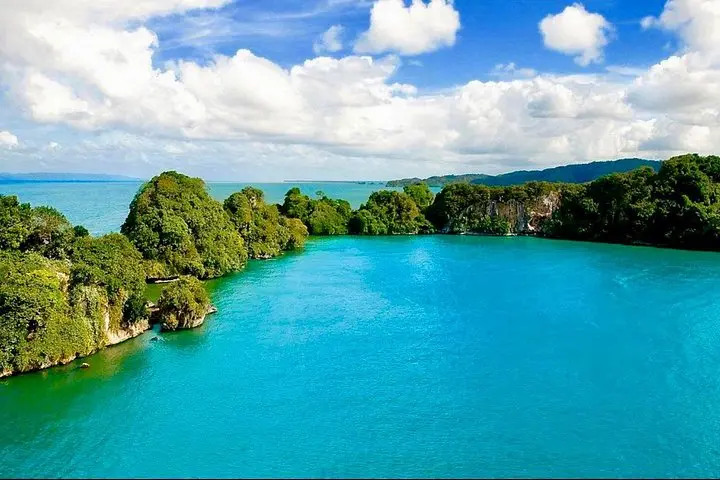
The morning smell off Samaná Bay has salt in it and motion: fishermen tending nets, tour skiffs yawing at docks, a long wooden boat idling with engines idling like patient beasts. By 9 a.m. the hull cuts into open water and the coastline slips away. A low line of mangrove is the first actor—a green wall that reaches and grips the shallow sea—then a scatter of limestone islets rising like small, forested knuckles. This is Los Haitises National Park, and for the next eight hours the park and nearby Cayo Levantado will trade scenes: bird-filled coves, Taino-marked caves, and a sun-dappled beach that once starred in a Bacardi commercial.
Verified experiences and guided adventures in the surrounding area.
Operated by Tour Samana With Terry · Samaná, Samaná Province
The morning smell off Samaná Bay has salt in it and motion: fishermen tending nets, tour skiffs yawing at docks, a long wooden boat idling with engines idling like patient beasts. By 9 a.m. the hull cuts into open water and the coastline slips away. A low line of mangrove is the first actor—a green wall that reaches and grips the shallow sea—then a scatter of limestone islets rising like small, forested knuckles. This is Los Haitises National Park, and for the next eight hours the park and nearby Cayo Levantado will trade scenes: bird-filled coves, Taino-marked caves, and a sun-dappled beach that once starred in a Bacardi commercial.
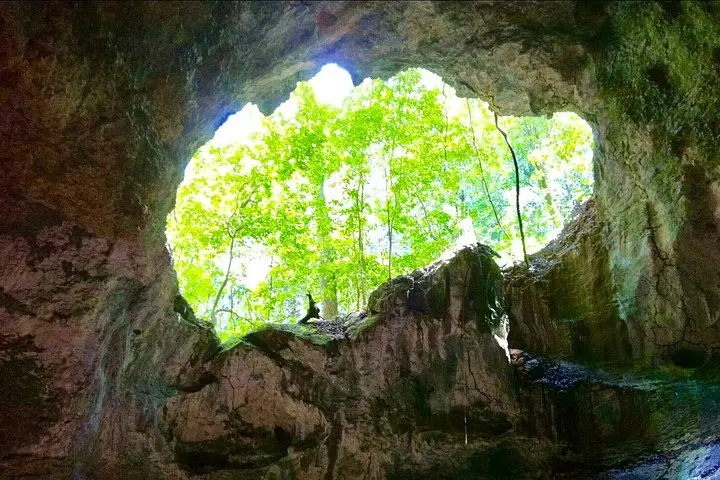
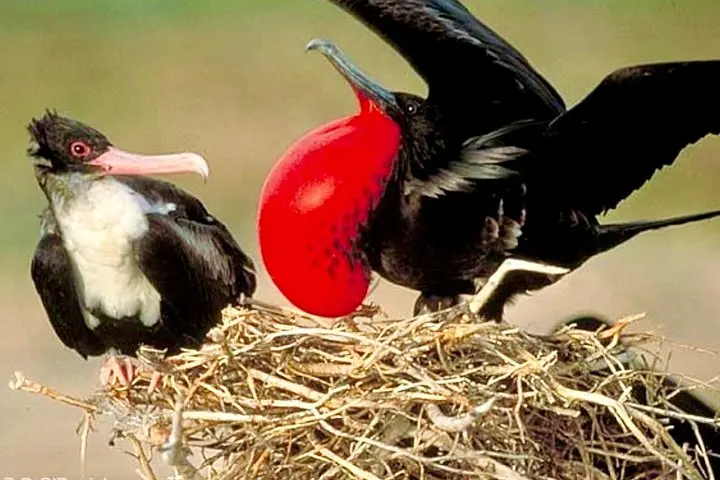
Los Haitises is classic Caribbean karst: uplifted limestone worn into steep islets, sinkholes and sea caves. Indigenous Taíno left petroglyphs in some caverns; later the mangroves sheltered smugglers and small-scale fishermen. The park’s ecology is stubbornly intact—mangrove roots anchor sediment while migratory birds and resident frigatebirds claim the high branches.
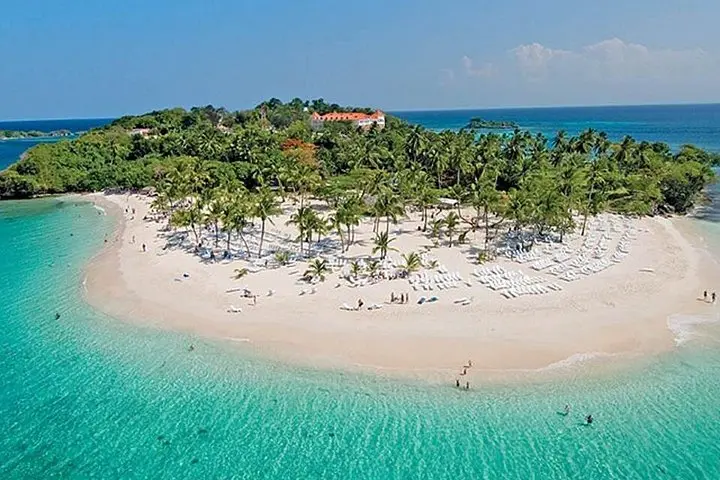
The boat drifts close to mangrove channels where herons stalk shadowed fingers of water and bananaquits flit through the canopy. Guides often point out caves with faded pictographs—human marks made centuries before cruise itineraries existed. Then the engine hums again and Samana Bay opens toward Cayo Levantado, a crescent of white sand and coconut palms that feels like a reward after the slow, intimate scenes of the park.
Logistics are straightforward: the shared tour runs about eight hours, with pickup across Samaná and a morning departure around 8:45 a.m.; expect a group of up to 40. Walks in the park are short—boardwalks and mud-slick banks rather than full hikes—so bring footwear that handles wet rock and sand. Lunch is a buffet on the island; beach time lasts until late afternoon with return around 4–4:30 p.m.
Practical edge: the bay can get choppy—pack seasickness remedies if you’re sensitive. Bring reef-safe sunscreen, a dry bag for electronics, and insect repellent for shaded boardwalks. Respect the caves: petroglyphs are fragile, and guides will show where to look without touching.
This day trip is equal parts natural history and uncomplicated pleasure: bird-watching and cave history in the morning, then an unapologetically Caribbean beach to close the day. For travelers staying in Samaná town, it’s an efficient way to see two very different coastal moods in one sunlit stretch of the peninsula.
The tour runs about 8 hours, typically departing from Samaná around 8:45 a.m. and returning between 4:00–4:30 p.m.
Yes—national park fees and a buffet lunch are included in the tour price, along with beverages and guide service.
Children must be accompanied by an adult; the operator does not recommend the tour for pregnant travelers or people with serious back or heart conditions.
This itinerary focuses on Los Haitises and Cayo Levantado; humpback whale season peaks January–March in Samaná Bay, so sightings are possible in winter but not guaranteed on this specific routing.
Wear lightweight, quick-dry clothing and non-slip water shoes; caves can be damp and shaded, so a light long-sleeve layer is useful for insect-prone areas.
Shared tours can host up to about 40 passengers on a larger motorized boat with shorter tender rides into mangrove channels and beach landings on Cayo Levantado.
Tour Samana With Terry operates guided outdoor trips and adventures with an emphasis on safety, stewardship, and memorable experiences.
The morning smell off Samaná Bay has salt in it and motion: fishermen tending nets, tour skiffs yawing at docks, a long wooden boat idling with engines idling like patient beasts. By 9 a.m. the hull cuts into open water and the coastline slips away. A low line of mangrove is the first actor—a green wall that reaches and grips the shallow sea—then a scatter of limestone islets rising like small, forested knuckles. This is Los Haitises National Park, and for the next eight hours the park and nearby Cayo Levantado will trade scenes: bird-filled coves, Taino-marked caves, and a sun-dappled beach that once starred in a Bacardi commercial.
The morning smell off Samaná Bay has salt in it and motion: fishermen tending nets, tour skiffs yawing at docks, a long wooden boat idling with engines idling like patient beasts. By 9 a.m. the hull cuts into open water and the coastline slips away. A low line of mangrove is the first actor—a green wall that reaches and grips the shallow sea—then a scatter of limestone islets rising like small, forested knuckles. This is Los Haitises National Park, and for the next eight hours the park and nearby Cayo Levantado will trade scenes: bird-filled coves, Taino-marked caves, and a sun-dappled beach that once starred in a Bacardi commercial.
Los Haitises is classic Caribbean karst: uplifted limestone worn into steep islets, sinkholes and sea caves. Indigenous Taíno left petroglyphs in some caverns; later the mangroves sheltered smugglers and small-scale fishermen. The park’s ecology is stubbornly intact—mangrove roots anchor sediment while migratory birds and resident frigatebirds claim the high branches.
The boat drifts close to mangrove channels where herons stalk shadowed fingers of water and bananaquits flit through the canopy. Guides often point out caves with faded pictographs—human marks made centuries before cruise itineraries existed. Then the engine hums again and Samana Bay opens toward Cayo Levantado, a crescent of white sand and coconut palms that feels like a reward after the slow, intimate scenes of the park.
Logistics are straightforward: the shared tour runs about eight hours, with pickup across Samaná and a morning departure around 8:45 a.m.; expect a group of up to 40. Walks in the park are short—boardwalks and mud-slick banks rather than full hikes—so bring footwear that handles wet rock and sand. Lunch is a buffet on the island; beach time lasts until late afternoon with return around 4–4:30 p.m.
Practical edge: the bay can get choppy—pack seasickness remedies if you’re sensitive. Bring reef-safe sunscreen, a dry bag for electronics, and insect repellent for shaded boardwalks. Respect the caves: petroglyphs are fragile, and guides will show where to look without touching.
This day trip is equal parts natural history and uncomplicated pleasure: bird-watching and cave history in the morning, then an unapologetically Caribbean beach to close the day. For travelers staying in Samaná town, it’s an efficient way to see two very different coastal moods in one sunlit stretch of the peninsula.