THE ADVENTURE COLLECTIVE® · Independent discovery and booking for outdoor travel

Cross Samaná Bay to Los Haitises National Park for mangrove channels, Taino pictographs and concentrated birdlife, then finish on the powder sands of Cayo Levantado (Bacardí Island). This 6–8 hour boat day pairs natural history with a beach lunch — ideal for cruise passengers with limited time.
Cross Samaná Bay to Los Haitises National Park for mangrove channels, Taino pictographs and concentrated birdlife, then finish on the powder sands of Cayo Levantado (Bacardí Island). This 6–8 hour boat day pairs natural history with a beach lunch — ideal for cruise passengers with limited time.
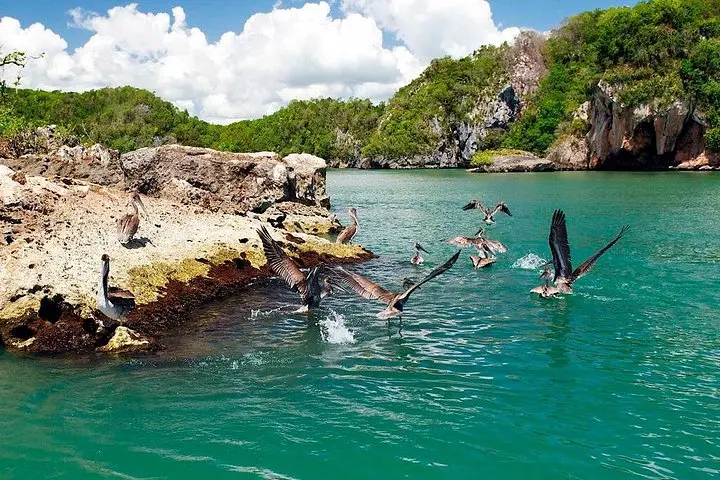
The boat slips away from Samaná’s cruise pier and the harbor’s chatter falls behind you. Salt spray fills the air and the coastline loosens into a horizon of limestone islands tufted with mangroves. Within forty minutes the water narrows and the karst towers of Los Haitises National Park rise like green-swathed islets — a place where the sea seems to shape the land as much as the land shapes the sea.
Verified experiences and guided adventures in the surrounding area.
Operated by The Whales Las Ballenas · Samaná, Samaná Province
The boat slips away from Samaná’s cruise pier and the harbor’s chatter falls behind you. Salt spray fills the air and the coastline loosens into a horizon of limestone islands tufted with mangroves. Within forty minutes the water narrows and the karst towers of Los Haitises National Park rise like green-swathed islets — a place where the sea seems to shape the land as much as the land shapes the sea.
Visitors arrive to a landscape that reads like a geological field notebook: mangrove root systems, weathered limestone mogotes, and shallow caves where Taino pictographs still face the dim light. The park was set aside in the 1970s to protect coastal wetlands and the nesting grounds of dozens of bird species; its coves have sheltered fishermen and been passed down in local lore long before tourism arrived.
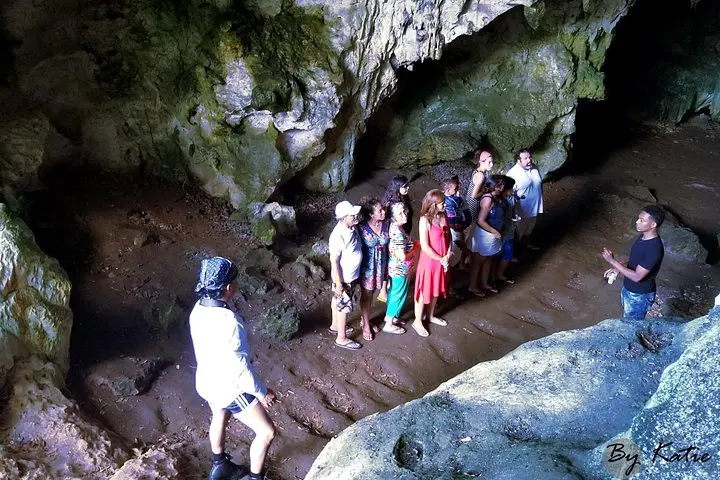
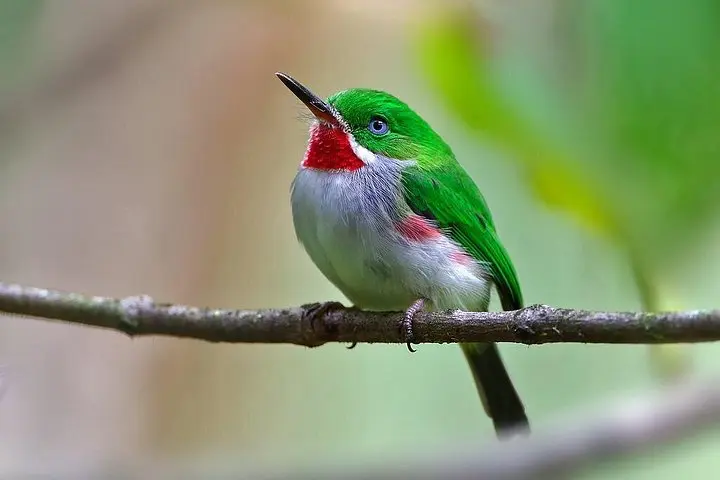
A naturalist guide will pull the skiff into narrow channels, describing how the karst formed from coral and reef limestone, then dissolved into the hollows and caves you now stand before. Here the air hums with mangrove warblers, ospreys and the occasional frigatebird that rides thermal drafts. The caverns preserve crisp ochre pictographs and petroglyphs — Taino marks that anchor this place to a precolonial history of the island.
After roughly three hours exploring caves, channels and birding vantage points, the crew heads back across the bay to Cayo Levantado — known to many as Bacardí Island. The contrast is immediate: open, powder-white beach and shallow turquoise water where you can swim, snorkel or simply sit and let the afternoon heat soften your pace. Lunch is served here, typically fresh fish or local favorites with tropical fruit and cold drinks.
For travelers arriving by cruise ship, this itinerary condenses two distinct ecosystems into a single day: the wild, shaded channels of Los Haitises and the postcard beach of Cayo Levantado. It’s a convenient introduction to the northeast Dominican Republic, with accessible boat transfers and guided interpretation by people who grew up on these shores.
Practical notes: plan on a 6–8 hour window, bring reef-safe sunscreen, insect repellent, and a wind layer for the crossing. Expect uneven wet surfaces in the park and limited shade on the island: proper footwear and sun protection make the difference between a good day and a great one. If you’re prone to seasickness, take measures before boarding; distances across the bay are short, but choppy seas happen. With basic preparation, this combination of geology, wildlife and a beach finale is a sharply efficient day trip from Samaná.
Typical departures are 6–8 hours total: about 3 hours exploring Los Haitises (boat + guided stops) and 2 hours on Cayo Levantado for lunch and swimming; exact timing varies by operator.
Yes — pick-up is arranged at Samaná cruise port and the tour is designed for shore-side passengers, but confirm return time for your ship's departure.
The boat portions and beach are family-friendly, but cave entrances and wet, uneven surfaces may be difficult for small children, strollers or mobility impairments.
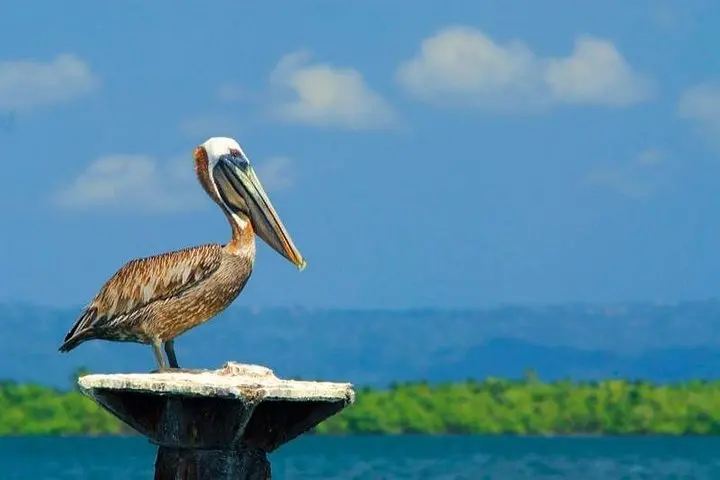
Expect shorebirds, frigatebirds, pelicans and mangrove specialists; dolphins are occasionally seen offshore during crossings.
Lunch is included and typically features local dishes—grilled fish or chicken, rice, salads, tropical fruit and drinks; notify the operator of dietary restrictions when booking.
Yes—water is shallow and clear; bring your own snorkel gear for the best experience or ask about rental availability on the island.
The Whales Las Ballenas operates guided outdoor trips and adventures with an emphasis on safety, stewardship, and memorable experiences.
The boat slips away from Samaná’s cruise pier and the harbor’s chatter falls behind you. Salt spray fills the air and the coastline loosens into a horizon of limestone islands tufted with mangroves. Within forty minutes the water narrows and the karst towers of Los Haitises National Park rise like green-swathed islets — a place where the sea seems to shape the land as much as the land shapes the sea.
The boat slips away from Samaná’s cruise pier and the harbor’s chatter falls behind you. Salt spray fills the air and the coastline loosens into a horizon of limestone islands tufted with mangroves. Within forty minutes the water narrows and the karst towers of Los Haitises National Park rise like green-swathed islets — a place where the sea seems to shape the land as much as the land shapes the sea.
Visitors arrive to a landscape that reads like a geological field notebook: mangrove root systems, weathered limestone mogotes, and shallow caves where Taino pictographs still face the dim light. The park was set aside in the 1970s to protect coastal wetlands and the nesting grounds of dozens of bird species; its coves have sheltered fishermen and been passed down in local lore long before tourism arrived.
A naturalist guide will pull the skiff into narrow channels, describing how the karst formed from coral and reef limestone, then dissolved into the hollows and caves you now stand before. Here the air hums with mangrove warblers, ospreys and the occasional frigatebird that rides thermal drafts. The caverns preserve crisp ochre pictographs and petroglyphs — Taino marks that anchor this place to a precolonial history of the island.
After roughly three hours exploring caves, channels and birding vantage points, the crew heads back across the bay to Cayo Levantado — known to many as Bacardí Island. The contrast is immediate: open, powder-white beach and shallow turquoise water where you can swim, snorkel or simply sit and let the afternoon heat soften your pace. Lunch is served here, typically fresh fish or local favorites with tropical fruit and cold drinks.
For travelers arriving by cruise ship, this itinerary condenses two distinct ecosystems into a single day: the wild, shaded channels of Los Haitises and the postcard beach of Cayo Levantado. It’s a convenient introduction to the northeast Dominican Republic, with accessible boat transfers and guided interpretation by people who grew up on these shores.
Practical notes: plan on a 6–8 hour window, bring reef-safe sunscreen, insect repellent, and a wind layer for the crossing. Expect uneven wet surfaces in the park and limited shade on the island: proper footwear and sun protection make the difference between a good day and a great one. If you’re prone to seasickness, take measures before boarding; distances across the bay are short, but choppy seas happen. With basic preparation, this combination of geology, wildlife and a beach finale is a sharply efficient day trip from Samaná.