
Los Haitises, Montaña Redonda & Paraíso Caño Hondo: Full-Day Ecotour from Punta Cana
Spend a long day off the typical Punta Cana circuit exploring Los Haitises' mangrove tunnels, dining in the eco-luxury of Paraíso Caño Hondo, and finishing with the sweeping panoramas of Montaña Redonda. This full-day ecotour blends wildlife, geology, and local culture into one high-impact outing.
An Adventure In Punta Cana.
Spend a long day off the typical Punta Cana circuit exploring Los Haitises' mangrove tunnels, dining in the eco-luxury of Paraíso Caño Hondo, and finishing with the sweeping panoramas of Montaña Redonda. This full-day ecotour blends wildlife, geology, and local culture into one high-impact outing.
Read the full experience
You step off the bus where the pavement gives up and the countryside begins to breathe: broad fields of plantain and cacao, a scattering of roadside stands, and the feeling that the coast has been waiting for you. The ride from Punta Cana trims the edge of the tourist map and drops you into a different Dominican Republic—one of mangrove tunnels, limestone mogotes, and reclaimed quiet. This day trip stitches three distinct experiences into a single, full-day pulse of nature and culture.
You step off the bus where the pavement gives up and the countryside begins to breathe: broad fields of plantain and cacao, a scattering of roadside stands, and the feeling that the coast has been waiting for you. The ride from Punta Cana trims the edge of the tourist map and drops you into a different Dominican Republic—one of mangrove tunnels, limestone mogotes, and reclaimed quiet. This day trip stitches three distinct experiences into a single, full-day pulse of nature and culture.
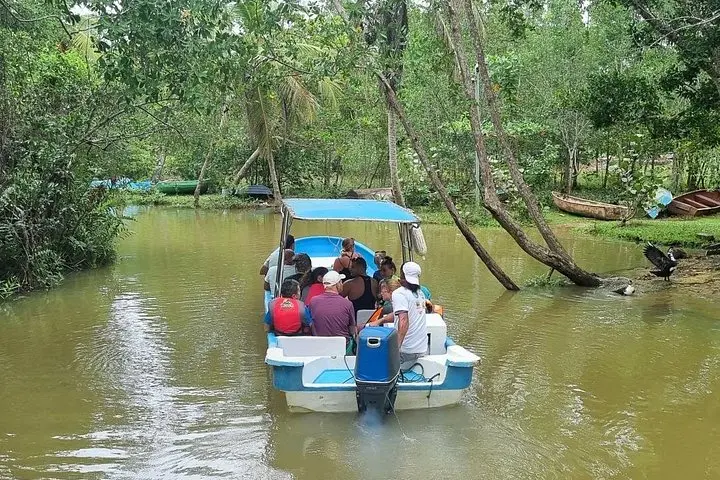
Los Haitises National Park opens like a hidden world. From Caño Hondo you climb into a low riverboat and the mangroves take you in, their roots playing a slow tug-of-war with the tide as birds wheel overhead. The park’s karst topography—towering limestone mogotes—rises from the water like islands of green. Caves gouged into those cliffs hold ancient Taíno petroglyphs and, at low light, the damp stone seems to lean closer, listening. Guides point out the subtle signs of manatees in the shallows, while frigatebirds and herons make the horizon busy.
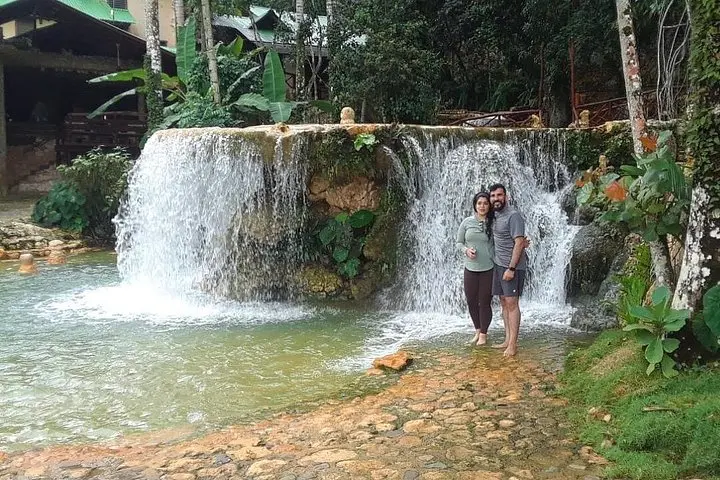
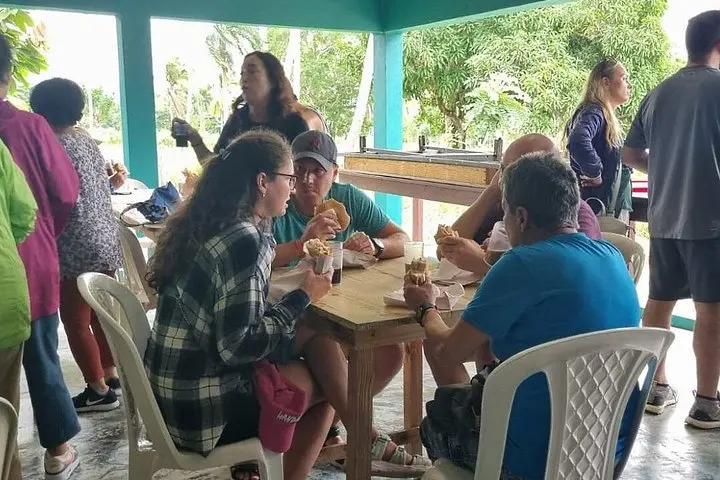
Lunch at Paraíso Caño Hondo resets the day with a local rhythm: buffet plates of stewed goat, rice, plantain, and fresh fish, washed down with fruit juices or a cold beer. The eco-lodge itself uses natural pools and stone formations carved by rivers; it’s a low-impact setting that earned attention from international travel writers for a reason—there’s comfort here without crowding the landscape.
On the return, Montaña Redonda provides the payoff: an isolated 1,000-ft promontory almost hugging the shoreline. You climb in open-air trucks for the final ascent and find a scene staged for wide-angle photos—rolling green hills, turquoise ocean, and the small human inventions (swings, hammocks, wooden platforms) that let you exaggerate the sensation of being above the world. Photographers line the ridge; some kitsch is inevitable, but the views are pure.
Practical edge: this is a long day—expect 12–13 hours with two boat legs, short hikes, and one open-air truck climb. Bring reef-friendly sunscreen, a dry bag for electronics, and footwear that grips on wet steps and dirt roads. The park’s mangroves are fragile; avoid stepping on roots and follow your guide’s directions.
Historically, Los Haitises preserves Taíno history and a complex coastal ecology shaped by limestone, tannin-rich waterways, and a subtropical climate. Locals in Sabana de la Mar and Miches still base livelihoods on fishing and small-scale agriculture; your trip supports those economies when operators follow responsible practices.
If you want pictures, time the mangrove boat for morning light and Montaña Redonda for late afternoon. Hydrate, protect your gear from spray, and—most important—let the slow rhythm of the river set the pace for the day.
Frequently asked questions
The tour runs about 12–13 hours (720–780 minutes); pick up early in the morning and expect to return to Punta Cana in the evening.
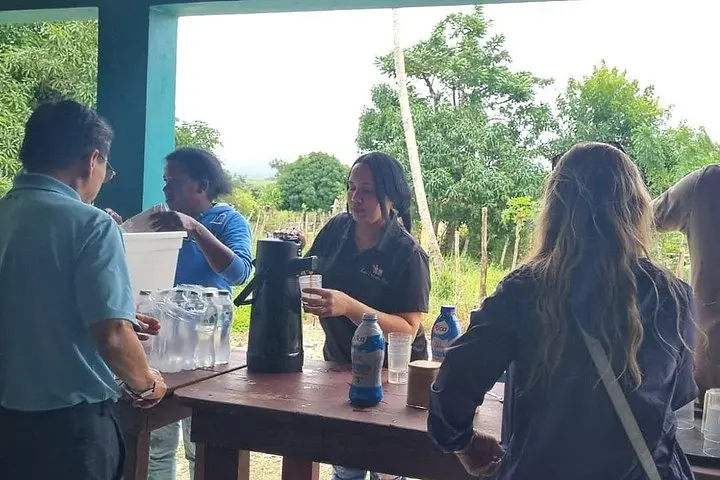
Yes—an open buffet lunch at Paraíso Caño Hondo is included, along with non-alcoholic drinks; beer may be available.
Wildlife sightings are common—dolphins, manatees, and coastal birds are often seen, but sightings are not guaranteed.
Families and older travelers can join, but the tour involves boat travel, short cave walks, and stairs; moderate mobility is required.
Professional multilingual guides are included, so English and Spanish speakers are typically accommodated.
Tipping is customary: consider tipping the guide and boat crew at the end, and small tips for photographers or lodge staff; carry cash in small bills.
About This Experience
Living Punta Cana Tours (LPC Tours) operates guided outdoor trips and adventures with an emphasis on safety, stewardship, and memorable experiences.
Adventure tips
Recommended gear
- Light rain shell: Quick protection against tropical showers and wind on boat crossings.
- Dry bag or waterproof phone case: Keeps electronics and documents dry during mangrove boat rides and pool time.
- Sturdy closed-toe shoes: Necessary for walking on wet rocks, boat ramps, and uneven cave floors.
- Reusable water bottle with filter: Staying hydrated through a long, humid day is crucial; filter reduces need for single-use plastic.
Photos of the experience
Related adventures & guides
Read the full experience
You step off the bus where the pavement gives up and the countryside begins to breathe: broad fields of plantain and cacao, a scattering of roadside stands, and the feeling that the coast has been waiting for you. The ride from Punta Cana trims the edge of the tourist map and drops you into a different Dominican Republic—one of mangrove tunnels, limestone mogotes, and reclaimed quiet. This day trip stitches three distinct experiences into a single, full-day pulse of nature and culture.
You step off the bus where the pavement gives up and the countryside begins to breathe: broad fields of plantain and cacao, a scattering of roadside stands, and the feeling that the coast has been waiting for you. The ride from Punta Cana trims the edge of the tourist map and drops you into a different Dominican Republic—one of mangrove tunnels, limestone mogotes, and reclaimed quiet. This day trip stitches three distinct experiences into a single, full-day pulse of nature and culture.
Los Haitises National Park opens like a hidden world. From Caño Hondo you climb into a low riverboat and the mangroves take you in, their roots playing a slow tug-of-war with the tide as birds wheel overhead. The park’s karst topography—towering limestone mogotes—rises from the water like islands of green. Caves gouged into those cliffs hold ancient Taíno petroglyphs and, at low light, the damp stone seems to lean closer, listening. Guides point out the subtle signs of manatees in the shallows, while frigatebirds and herons make the horizon busy.
Lunch at Paraíso Caño Hondo resets the day with a local rhythm: buffet plates of stewed goat, rice, plantain, and fresh fish, washed down with fruit juices or a cold beer. The eco-lodge itself uses natural pools and stone formations carved by rivers; it’s a low-impact setting that earned attention from international travel writers for a reason—there’s comfort here without crowding the landscape.
On the return, Montaña Redonda provides the payoff: an isolated 1,000-ft promontory almost hugging the shoreline. You climb in open-air trucks for the final ascent and find a scene staged for wide-angle photos—rolling green hills, turquoise ocean, and the small human inventions (swings, hammocks, wooden platforms) that let you exaggerate the sensation of being above the world. Photographers line the ridge; some kitsch is inevitable, but the views are pure.
Practical edge: this is a long day—expect 12–13 hours with two boat legs, short hikes, and one open-air truck climb. Bring reef-friendly sunscreen, a dry bag for electronics, and footwear that grips on wet steps and dirt roads. The park’s mangroves are fragile; avoid stepping on roots and follow your guide’s directions.
Historically, Los Haitises preserves Taíno history and a complex coastal ecology shaped by limestone, tannin-rich waterways, and a subtropical climate. Locals in Sabana de la Mar and Miches still base livelihoods on fishing and small-scale agriculture; your trip supports those economies when operators follow responsible practices.
If you want pictures, time the mangrove boat for morning light and Montaña Redonda for late afternoon. Hydrate, protect your gear from spray, and—most important—let the slow rhythm of the river set the pace for the day.
Make a day of it nearby.
Verified experiences and guided adventures in the surrounding area.