THE ADVENTURE COLLECTIVE® · Independent discovery and booking for outdoor travel

Explore Los Haitises’ mangrove channels and Taíno caves in the morning, then unwind on the white-sand beaches of Cayo Levantado in the afternoon. This day tour blends easy boat travel, cultural history, and beach time—ideal for travelers based in Samaná.
Explore Los Haitises’ mangrove channels and Taíno caves in the morning, then unwind on the white-sand beaches of Cayo Levantado in the afternoon. This day tour blends easy boat travel, cultural history, and beach time—ideal for travelers based in Samaná.
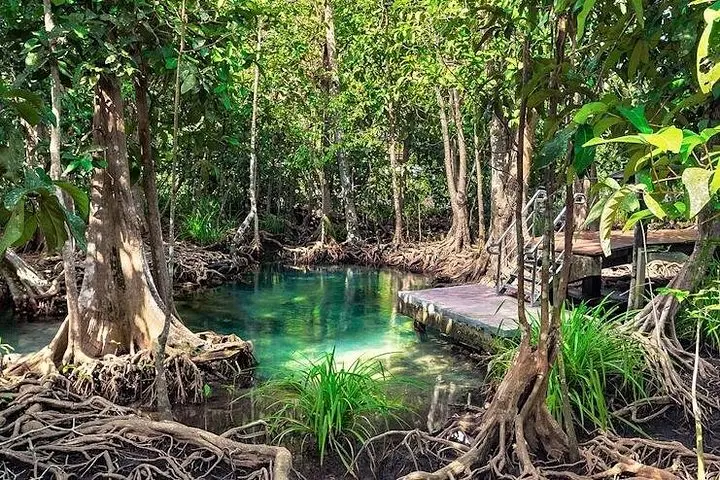
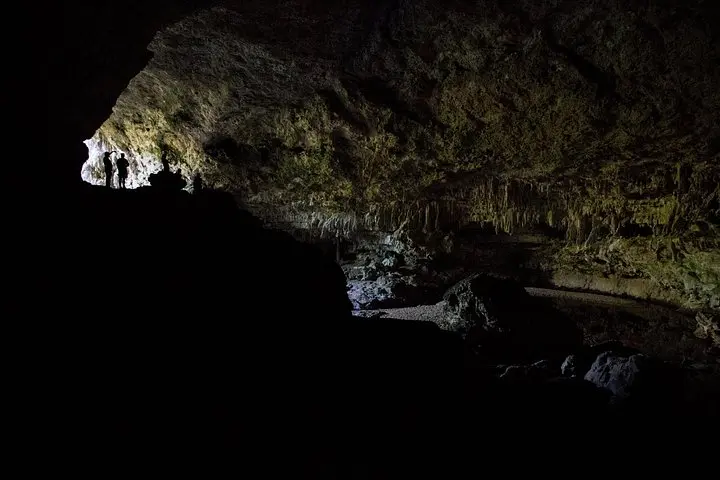
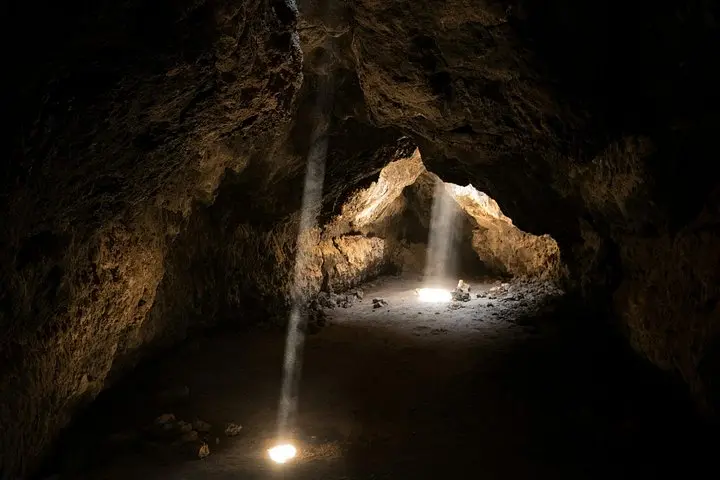
Morning light strips across the bay as a motorboat threads the mangrove channels of Los Haitises, the limestone karst rising like weathered cliffs from the sea. The guide eases the throttle; the boat slips under a canopy of red mangrove roots that reach and grip the water, while the current teases you toward caves painted by the Taíno centuries ago.
Verified experiences and guided adventures in the surrounding area.
Operated by Destino transfer tours · Santa Bárbara de Samaná, Samaná Province
Morning light strips across the bay as a motorboat threads the mangrove channels of Los Haitises, the limestone karst rising like weathered cliffs from the sea. The guide eases the throttle; the boat slips under a canopy of red mangrove roots that reach and grip the water, while the current teases you toward caves painted by the Taíno centuries ago.
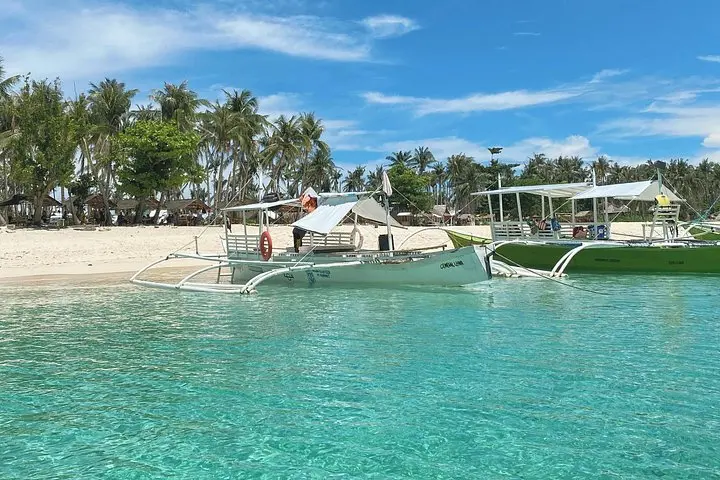
Geology here is readable: low-relief karst sculpted by rain and tide, collapsed sinkholes, and tuff-like limestone that holds stalactites and petroglyphs. Culturally, the park preserves Taíno cave art and a legacy of fishing communities—Sabana de la Mar and Samaná towns maintain a relaxed, maritime pace. For many visitors the afternoon is a contrast: a sun-softened shoreline at Cayo Levantado (Bacardi Island) where white sand and turquoise water invite easy swimming and shade beneath leaning palms.
Expect a day that balances quiet exploration and beach downtime. Guides typically provide context—ecology, archaeology, and local livelihoods—while steering through mangrove mazes to caves and lookout points. Practical notes: boat rides can be bumpy and exposed; bring motion-sickness remedies, reef-safe sunscreen, and a dry bag for electronics. Timing matters—mornings are cooler and quieter, and whale season (Jan–Mar) adds a possible marine spectacle offshore.
This shared, guided itinerary suits most fitness levels but still rewards basic preparation: sturdy sandals, sun protection, and respect for fragile cave art and mangrove roots. The result is a compact day that reads like two trips in one—intimate nature corridors followed by the uncomplicated pleasure of a Caribbean beach.
The typical duration is 4–5 hours, combining about 1–2 hours exploring Los Haitises and roughly 2–3 hours on Cayo Levantado for beach time.
Yes—operators usually allow infants and small children; strollers can be used ashore but children may need to sit on laps during transfers.
It varies by operator; many tours include guided access but park entrance fees or small local fees may be collected separately—confirm when booking.
Dry season (December–April) is ideal for calm seas and clearer skies; whale watching peaks January–March if you want to add marine sightings.
Destino transfer tours operates guided outdoor trips and adventures with an emphasis on safety, stewardship, and memorable experiences.
Morning light strips across the bay as a motorboat threads the mangrove channels of Los Haitises, the limestone karst rising like weathered cliffs from the sea. The guide eases the throttle; the boat slips under a canopy of red mangrove roots that reach and grip the water, while the current teases you toward caves painted by the Taíno centuries ago.
Morning light strips across the bay as a motorboat threads the mangrove channels of Los Haitises, the limestone karst rising like weathered cliffs from the sea. The guide eases the throttle; the boat slips under a canopy of red mangrove roots that reach and grip the water, while the current teases you toward caves painted by the Taíno centuries ago.
Geology here is readable: low-relief karst sculpted by rain and tide, collapsed sinkholes, and tuff-like limestone that holds stalactites and petroglyphs. Culturally, the park preserves Taíno cave art and a legacy of fishing communities—Sabana de la Mar and Samaná towns maintain a relaxed, maritime pace. For many visitors the afternoon is a contrast: a sun-softened shoreline at Cayo Levantado (Bacardi Island) where white sand and turquoise water invite easy swimming and shade beneath leaning palms.
Expect a day that balances quiet exploration and beach downtime. Guides typically provide context—ecology, archaeology, and local livelihoods—while steering through mangrove mazes to caves and lookout points. Practical notes: boat rides can be bumpy and exposed; bring motion-sickness remedies, reef-safe sunscreen, and a dry bag for electronics. Timing matters—mornings are cooler and quieter, and whale season (Jan–Mar) adds a possible marine spectacle offshore.
This shared, guided itinerary suits most fitness levels but still rewards basic preparation: sturdy sandals, sun protection, and respect for fragile cave art and mangrove roots. The result is a compact day that reads like two trips in one—intimate nature corridors followed by the uncomplicated pleasure of a Caribbean beach.