THE ADVENTURE COLLECTIVE® · Independent discovery and booking for outdoor travel
Follow a 7 km highland path from Boquete to Cerro Punta through cloud forest where quetzals, bellbirds and orchids concentrate. Expect uneven, often muddy trail, microclimate swings, and excellent birdwatching—best with an early start or a local guide.
Follow a 7 km highland path from Boquete to Cerro Punta through cloud forest where quetzals, bellbirds and orchids concentrate. Expect uneven, often muddy trail, microclimate swings, and excellent birdwatching—best with an early start or a local guide.
A ringing rooster in Boquete fades as you step onto the Los Quetzales Trail, a 7 km ribbon cutting the edge of Panama’s highland cloud forest. Moss-draped tree trunks lean toward the path like old guides; the wind through bamboo whispers directions. The trail moves from mid-elevation farmland into dense, fern-laced forest where the resplendent quetzal and the chattering sainos make sudden appearances and the world tightens to the rhythm of your boots.
Verified experiences and guided adventures in the surrounding area.
A ringing rooster in Boquete fades as you step onto the Los Quetzales Trail, a 7 km ribbon cutting the edge of Panama’s highland cloud forest. Moss-draped tree trunks lean toward the path like old guides; the wind through bamboo whispers directions. The trail moves from mid-elevation farmland into dense, fern-laced forest where the resplendent quetzal and the chattering sainos make sudden appearances and the world tightens to the rhythm of your boots.
The route follows old mule tracks that historically linked Boquete’s valley farms to Cerro Punta’s highland communities, climbing through volcanic soils left by ancient eruptions of Volcán Barú. The geology feeds rich, acidic soils that support epiphytes and orchids; birdlife is the real draw—listen for bellbirds and the hollow notes of the pájaro campanero.
Local growers and mountain communities shaped this corridor; on market days you’ll find tubers and highland coffee sold where trails meet road. Respect private plots and local schedules—this is working land, not a theme park.
Practical guidance: plan for uneven, often muddy terrain and frequent microclimate shifts—clear morning sun can become heavy drizzle in an hour. Bring waterproof outer layers, sturdy boots with grip, and at least 2 liters of water. An early start increases bird encounters and avoids afternoon cloudband downpours. Guided options provide interpretation and increased sighting likelihood; permits or local fees may apply. The trail rewards patient, quiet steps with close views of cloud-forest life and the rare flash of a quetzal on a limb.
The walking portion is roughly 7 km one-way; expect a full outing of 6–8 hours including stops, birding, and transfers.
Guides are not always mandatory but are strongly recommended for birding and navigation; some landowners may request small access fees—check with your operator.
Quetzals, bellbirds, sainos (agoutis), and a range of hummingbirds and tanagers are commonly seen, especially with a quiet approach at dawn.
Trails alternate between packed earth, muddy stretches, and root-covered sections; wet-season conditions make several segments slippery and slow-going.
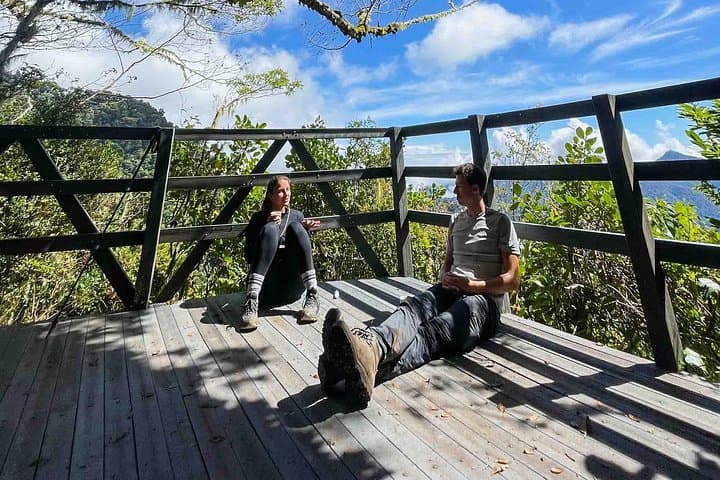
A ringing rooster in Boquete fades as you step onto the Los Quetzales Trail, a 7 km ribbon cutting the edge of Panama’s highland cloud forest. Moss-draped tree trunks lean toward the path like old guides; the wind through bamboo whispers directions. The trail moves from mid-elevation farmland into dense, fern-laced forest where the resplendent quetzal and the chattering sainos make sudden appearances and the world tightens to the rhythm of your boots.
A ringing rooster in Boquete fades as you step onto the Los Quetzales Trail, a 7 km ribbon cutting the edge of Panama’s highland cloud forest. Moss-draped tree trunks lean toward the path like old guides; the wind through bamboo whispers directions. The trail moves from mid-elevation farmland into dense, fern-laced forest where the resplendent quetzal and the chattering sainos make sudden appearances and the world tightens to the rhythm of your boots.
The route follows old mule tracks that historically linked Boquete’s valley farms to Cerro Punta’s highland communities, climbing through volcanic soils left by ancient eruptions of Volcán Barú. The geology feeds rich, acidic soils that support epiphytes and orchids; birdlife is the real draw—listen for bellbirds and the hollow notes of the pájaro campanero.
Local growers and mountain communities shaped this corridor; on market days you’ll find tubers and highland coffee sold where trails meet road. Respect private plots and local schedules—this is working land, not a theme park.
Practical guidance: plan for uneven, often muddy terrain and frequent microclimate shifts—clear morning sun can become heavy drizzle in an hour. Bring waterproof outer layers, sturdy boots with grip, and at least 2 liters of water. An early start increases bird encounters and avoids afternoon cloudband downpours. Guided options provide interpretation and increased sighting likelihood; permits or local fees may apply. The trail rewards patient, quiet steps with close views of cloud-forest life and the rare flash of a quetzal on a limb.
