THE ADVENTURE COLLECTIVE® · Independent discovery and booking for outdoor travel

Trace the City of London’s missing churches on a 90-minute historical walk with Dr Steve. From the Great Fire to WWII damage, this tour maps how urban change erased—and preserved—religious sites.
Trace the City of London’s missing churches on a 90-minute historical walk with Dr Steve. From the Great Fire to WWII damage, this tour maps how urban change erased—and preserved—religious sites.
You step off London Wall into a lane that keeps the memory of an earlier London. Narrow alleys, clipped churchyards and fragments of stone rise between glass-fronted offices; the city’s past presses against the present.
Verified experiences and guided adventures in the surrounding area.
Operated by London History Tours · London, Greater London
You step off London Wall into a lane that keeps the memory of an earlier London. Narrow alleys, clipped churchyards and fragments of stone rise between glass-fronted offices; the city’s past presses against the present.
This 90-minute walk tracks why dozens of City churches vanished: fire (notably the Great Fire of 1666), wartime bombing, and deliberate closures and demolitions as congregations shrank. The route touches St Paul’s precinct, the Monument to the Great Fire and the ruined shell of St Dunstan-in-the-East — each site a marker of shifting urban priorities. Geologically the Square Mile sits on riverine alluvium above the Thames’ ancient floodplain; the Roman London Wall and medieval street plan still channel foot traffic and views.
Culturally the tour illuminates the City’s civic role — how guilds, bishops and developers shaped which buildings stayed and which were swept away. Dr Steve draws on archival research to turn façades and churchyards into narratives about class, commerce and war.
Practical guidance: expect a steady, moderate walk on paved surfaces with occasional steps and narrow passages. The pace suits most moderately fit visitors; wheelchair access is possible on parts of the route but check specifics when booking. Bring weather-appropriate layers and comfortable walking shoes; rain is common year-round. Start times avoid peak commuter crushes, making the quiet graveyards and ruined walls easier to absorb. Public transport drops you close to the meeting point; note the tour keeps to public spaces and does not require paid entry. If you care about heritage, this walk reframes familiar City streets as a series of decisions that left their marks on stone and soil.
The tour is partially wheelchair accessible and the operator lists it as accessible; contact them before booking to confirm specific route adjustments.
Shared tours are capped at about 20 people, which keeps the group manageable in narrow City lanes.
No paid admissions are required—the walk focuses on public spaces, churchyards and exterior interpretation.
Yes—strollers are possible on many parts of the route, but the guide recommends parents consider the walking pace and occasional steps.
London History Tours operates guided outdoor trips and adventures with an emphasis on safety, stewardship, and memorable experiences.
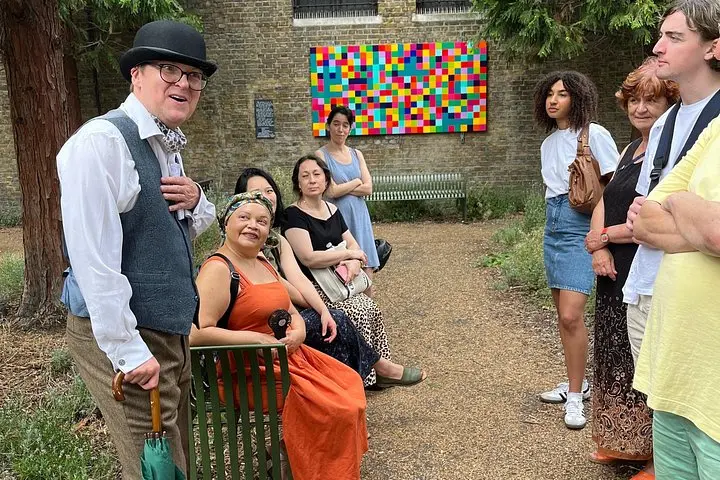
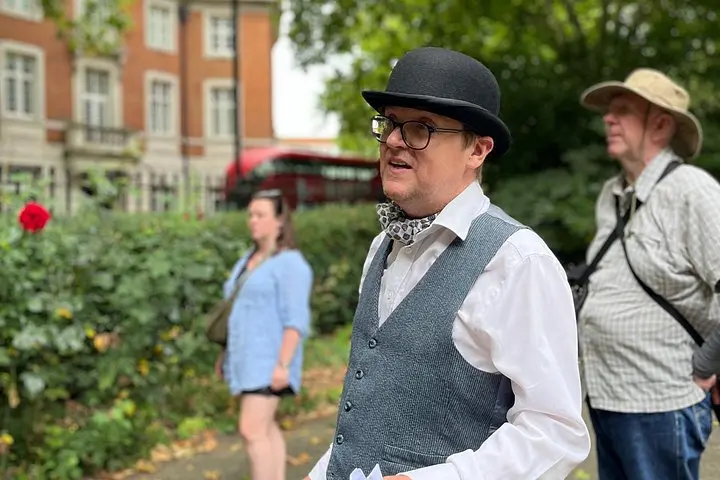
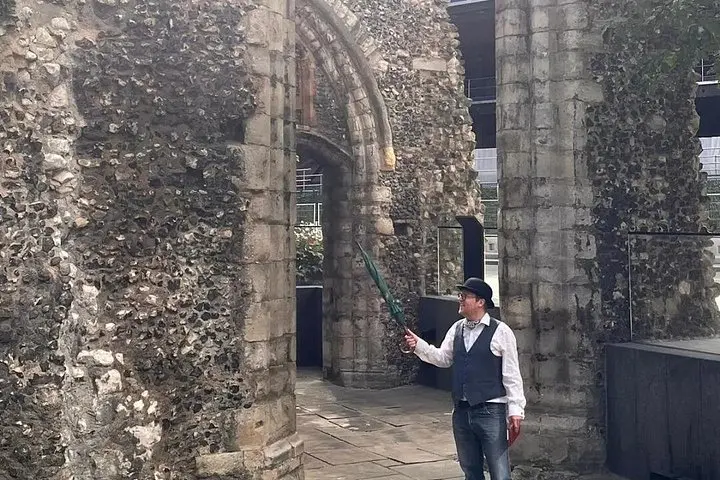
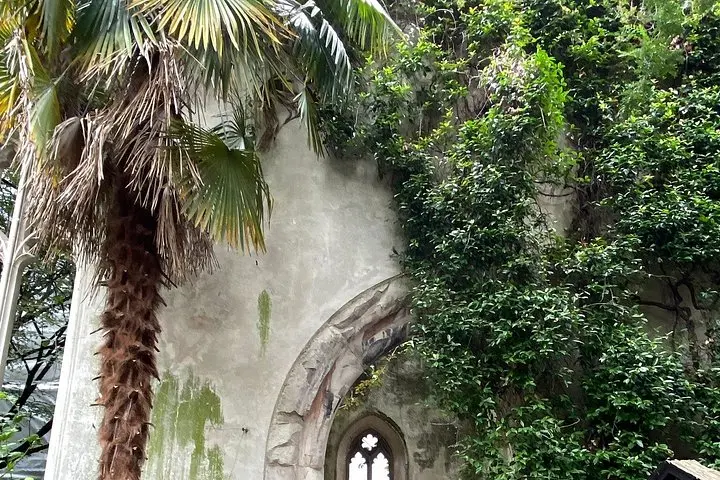
You step off London Wall into a lane that keeps the memory of an earlier London. Narrow alleys, clipped churchyards and fragments of stone rise between glass-fronted offices; the city’s past presses against the present.
You step off London Wall into a lane that keeps the memory of an earlier London. Narrow alleys, clipped churchyards and fragments of stone rise between glass-fronted offices; the city’s past presses against the present.
This 90-minute walk tracks why dozens of City churches vanished: fire (notably the Great Fire of 1666), wartime bombing, and deliberate closures and demolitions as congregations shrank. The route touches St Paul’s precinct, the Monument to the Great Fire and the ruined shell of St Dunstan-in-the-East — each site a marker of shifting urban priorities. Geologically the Square Mile sits on riverine alluvium above the Thames’ ancient floodplain; the Roman London Wall and medieval street plan still channel foot traffic and views.
Culturally the tour illuminates the City’s civic role — how guilds, bishops and developers shaped which buildings stayed and which were swept away. Dr Steve draws on archival research to turn façades and churchyards into narratives about class, commerce and war.
Practical guidance: expect a steady, moderate walk on paved surfaces with occasional steps and narrow passages. The pace suits most moderately fit visitors; wheelchair access is possible on parts of the route but check specifics when booking. Bring weather-appropriate layers and comfortable walking shoes; rain is common year-round. Start times avoid peak commuter crushes, making the quiet graveyards and ruined walls easier to absorb. Public transport drops you close to the meeting point; note the tour keeps to public spaces and does not require paid entry. If you care about heritage, this walk reframes familiar City streets as a series of decisions that left their marks on stone and soil.