THE ADVENTURE COLLECTIVE® · Independent discovery and booking for outdoor travel

A demanding 4-day trek through the Sierra Nevada that reaches Ciudad Perdida — an ancient Tayrona site older than Machu Picchu. Expect river crossings, steep staircases, hammock camps and community-guided cultural encounters.
A demanding 4-day trek through the Sierra Nevada that reaches Ciudad Perdida — an ancient Tayrona site older than Machu Picchu. Expect river crossings, steep staircases, hammock camps and community-guided cultural encounters.
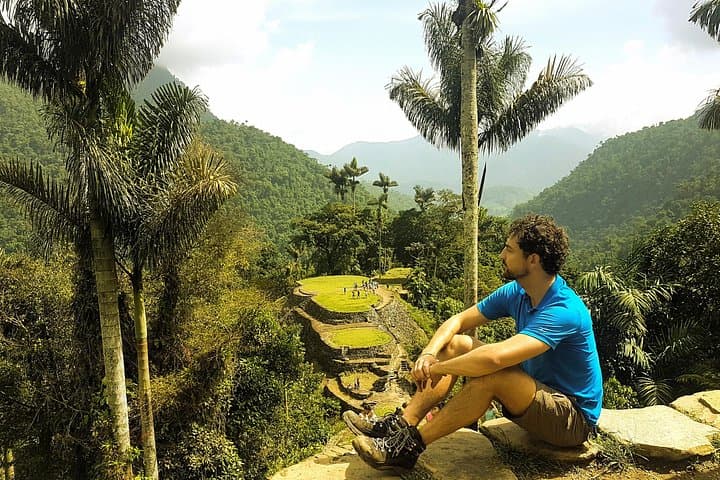
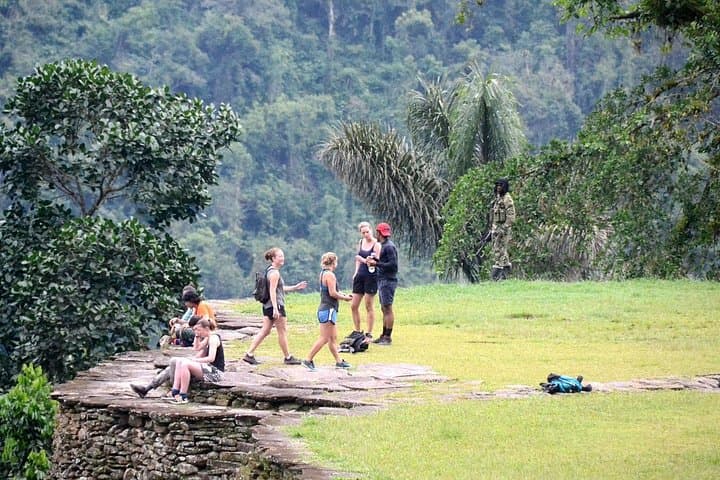
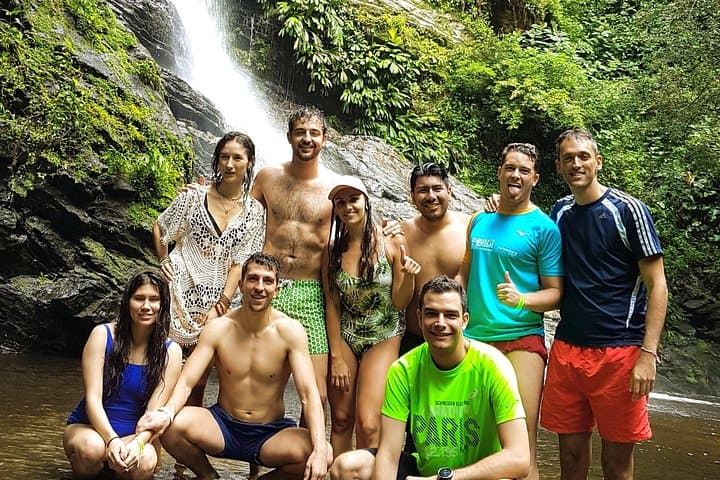
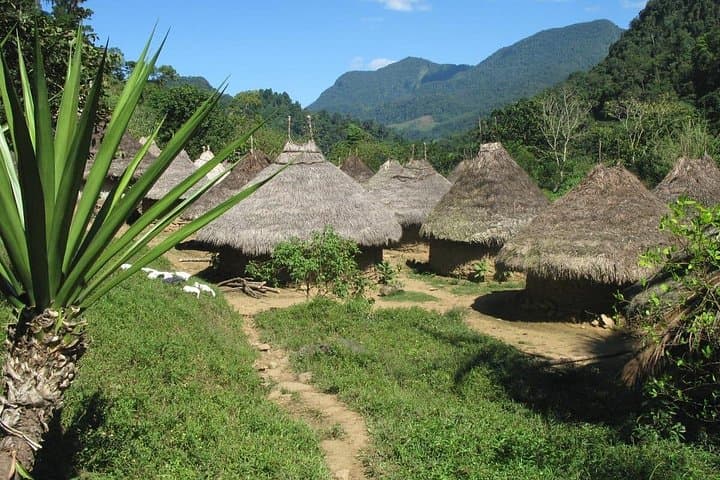
Morning humidity clings to your shirt as the bus drops you at El Mamey and the jungle immediately reclaims the trail. Rivers murmur alongside, roots snag at your soles, and the path climbs and falls in a green rhythm that seems to dare you forward. By day three the forest opens to terraced stone platforms — circular foundations left by the Tayrona people — and the silence of the ruins feels deliberate, like the land is keeping its own slow time.
Verified experiences and guided adventures in the surrounding area.
Operated by Gran Colombia Tours · Santa Marta, Magdalena
Morning humidity clings to your shirt as the bus drops you at El Mamey and the jungle immediately reclaims the trail. Rivers murmur alongside, roots snag at your soles, and the path climbs and falls in a green rhythm that seems to dare you forward. By day three the forest opens to terraced stone platforms — circular foundations left by the Tayrona people — and the silence of the ruins feels deliberate, like the land is keeping its own slow time.
The Sierra Nevada de Santa Marta is the world’s highest coastal range; its geology is steep, with ridges of metamorphic rock carved by rainfall and fast, clear rivers like the Buritaca. The Lost City (Ciudad Perdida or Teyuna) predates Machu Picchu and is a sacred ancestral site for indigenous communities — Kogi, Arhuaco, Wiwa and Kankuamo — whose cultural practices and land stewardship remain central to any visit.
Expect a tough multi-day jungle trek with river crossings, steep staircases (the final ascent includes roughly 1,200 hand-built steps), hammock or basic-bed camping, and shared meals of local flavors. Guides are indigenous or community-affiliated; respect local protocols, ask before photographing people, and carry out all waste.
Practical guidance: wear broken-in waterproof boots, bring a high-capacity water system and purification, pack quick-dry layers and a lightweight rain shell, and budget time for hot, humid days and slippery trail sections. Start early each day to avoid late-afternoon storms and let your pace be steady — this is endurance in wild country, rewarded by archaeological presence and high jungle views.
Yes — visits are organized through licensed tour operators and community guides; independent access is not permitted to protect the site and local communities.
Challenging: expect multiple days of sustained walking over uneven, steep terrain with river crossings; participants should be in strong cardiovascular shape.
Camping is basic: options include hammock or a simple bed in communal campsites with cover; facilities are rustic without electricity in most camps.
The trek stays at low to mid elevations in the Sierra Nevada foothills; altitude sickness is not typical, but heat and humidity are the primary environmental stresses.
Gran Colombia Tours operates guided outdoor trips and adventures with an emphasis on safety, stewardship, and memorable experiences.
Morning humidity clings to your shirt as the bus drops you at El Mamey and the jungle immediately reclaims the trail. Rivers murmur alongside, roots snag at your soles, and the path climbs and falls in a green rhythm that seems to dare you forward. By day three the forest opens to terraced stone platforms — circular foundations left by the Tayrona people — and the silence of the ruins feels deliberate, like the land is keeping its own slow time.
Morning humidity clings to your shirt as the bus drops you at El Mamey and the jungle immediately reclaims the trail. Rivers murmur alongside, roots snag at your soles, and the path climbs and falls in a green rhythm that seems to dare you forward. By day three the forest opens to terraced stone platforms — circular foundations left by the Tayrona people — and the silence of the ruins feels deliberate, like the land is keeping its own slow time.
The Sierra Nevada de Santa Marta is the world’s highest coastal range; its geology is steep, with ridges of metamorphic rock carved by rainfall and fast, clear rivers like the Buritaca. The Lost City (Ciudad Perdida or Teyuna) predates Machu Picchu and is a sacred ancestral site for indigenous communities — Kogi, Arhuaco, Wiwa and Kankuamo — whose cultural practices and land stewardship remain central to any visit.
Expect a tough multi-day jungle trek with river crossings, steep staircases (the final ascent includes roughly 1,200 hand-built steps), hammock or basic-bed camping, and shared meals of local flavors. Guides are indigenous or community-affiliated; respect local protocols, ask before photographing people, and carry out all waste.
Practical guidance: wear broken-in waterproof boots, bring a high-capacity water system and purification, pack quick-dry layers and a lightweight rain shell, and budget time for hot, humid days and slippery trail sections. Start early each day to avoid late-afternoon storms and let your pace be steady — this is endurance in wild country, rewarded by archaeological presence and high jungle views.