THE ADVENTURE COLLECTIVE® · Independent discovery and booking for outdoor travel

A four-day, multi-stage hike into the Sierra Nevada to reach Ciudad Perdida—climb 1,200 ancient steps, ford the Buritaca River, sleep in hammocks, and explore Tayrona terraces high above the jungle. This trek rewards fit hikers with raw jungle landscapes, cultural encounters, and panoramic ridge views.
A four-day, multi-stage hike into the Sierra Nevada to reach Ciudad Perdida—climb 1,200 ancient steps, ford the Buritaca River, sleep in hammocks, and explore Tayrona terraces high above the jungle. This trek rewards fit hikers with raw jungle landscapes, cultural encounters, and panoramic ridge views.
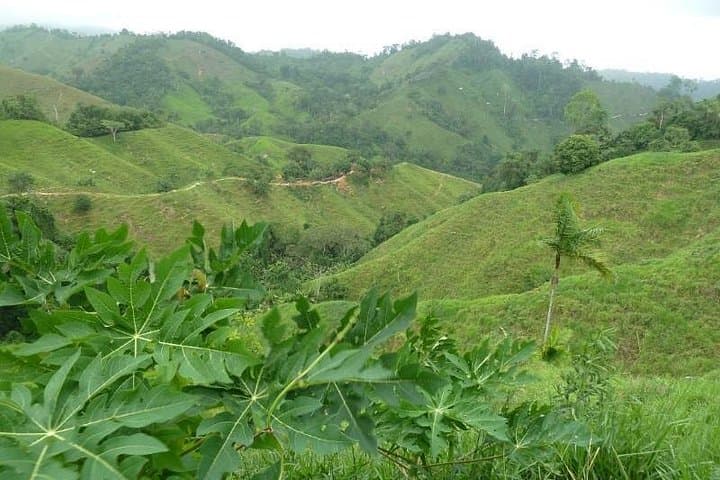
You step off the 4x4 at El Mamey and the jungle immediately reclaims the trail: humidity presses against your shirt, insects trace the edges of the path, and a chorus of distant birds dares you deeper into the Sierra Nevada.
Verified experiences and guided adventures in the surrounding area.
Operated by Bamba Travel · Santa Marta, Magdalena
You step off the 4x4 at El Mamey and the jungle immediately reclaims the trail: humidity presses against your shirt, insects trace the edges of the path, and a chorus of distant birds dares you deeper into the Sierra Nevada.
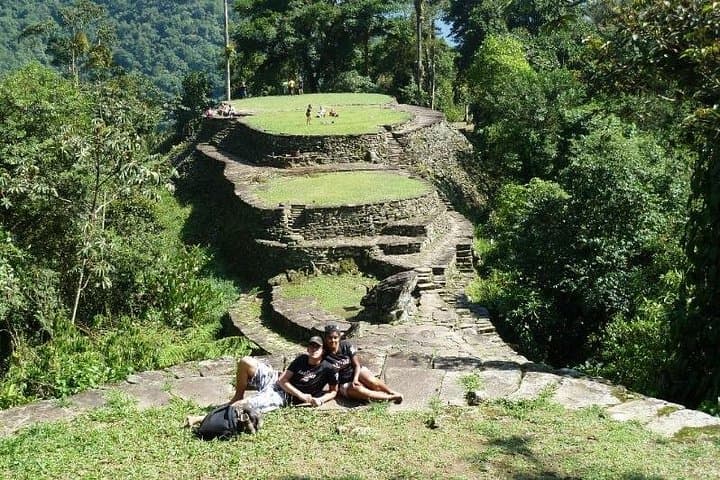
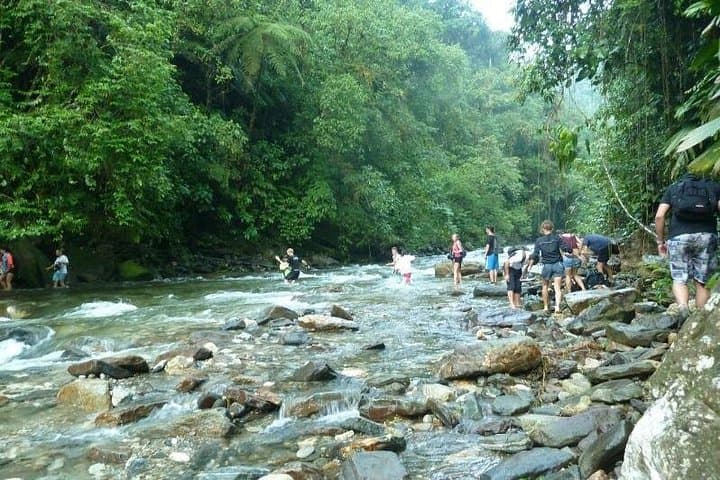
The Lost City (Teyuna) sits on a steep ridge roughly 1,300 meters above the Buritaca valley and was built by Tayrona ancestors centuries before the Spanish arrived. The stone terraces and plazas you’ll visit are carved into geology of degraded metamorphic rock and steep, jungle-covered slopes—terrain that channels rain into surging streams and the river you’ll ford during the trek.
Cultural threads are present at every camp: indigenous communities still live in the region and guides share stories about ancestral paths and the continued importance of the site. Expect basic communal life—hammocks under mosquito nets, candlelit meals, and a strong ethic of leaving no trace.
Practical guidance: daily stages average 6–16 km over steep, often muddy trails; the centerpiece ascent is 1,200 mossy steps to the archaeological site. River crossings can be knee- to chest-deep depending on season and currents; pack waterproofing and a dry bag. Bring a headlamp, a lightweight sleeping layer for nights around 16–18°C, and sturdy traction-capable boots. Hydrate constantly and travel light—your comfort hinges on the weight you carry. Stick with your guide, respect local customs (ask before photographing residents), and carry out all waste. The reward is clear: jungle views, stepped plazas, and the slow, physical discovery of a place where culture and mountain terrain still meet.
Days range from 6–16 km with steep, often muddy terrain; expect sustained climbs, 1,200 steps, and uneven trail—moderate-to-strong fitness required.
Guides manage crossings but water depth varies by season; crossings can be knee- to chest-deep and have strong currents—follow guide instructions and wear secure footwear.
Overnights are in hammocks with mosquito nets and blankets at communal camps; accommodations are basic and outdoors-oriented.
Entrance fees to the Archaeological Park are included in this tour; independent access is tightly regulated and typically arranged through licensed operators.
Bamba Travel operates guided outdoor trips and adventures with an emphasis on safety, stewardship, and memorable experiences.

You step off the 4x4 at El Mamey and the jungle immediately reclaims the trail: humidity presses against your shirt, insects trace the edges of the path, and a chorus of distant birds dares you deeper into the Sierra Nevada.
You step off the 4x4 at El Mamey and the jungle immediately reclaims the trail: humidity presses against your shirt, insects trace the edges of the path, and a chorus of distant birds dares you deeper into the Sierra Nevada.
The Lost City (Teyuna) sits on a steep ridge roughly 1,300 meters above the Buritaca valley and was built by Tayrona ancestors centuries before the Spanish arrived. The stone terraces and plazas you’ll visit are carved into geology of degraded metamorphic rock and steep, jungle-covered slopes—terrain that channels rain into surging streams and the river you’ll ford during the trek.
Cultural threads are present at every camp: indigenous communities still live in the region and guides share stories about ancestral paths and the continued importance of the site. Expect basic communal life—hammocks under mosquito nets, candlelit meals, and a strong ethic of leaving no trace.
Practical guidance: daily stages average 6–16 km over steep, often muddy trails; the centerpiece ascent is 1,200 mossy steps to the archaeological site. River crossings can be knee- to chest-deep depending on season and currents; pack waterproofing and a dry bag. Bring a headlamp, a lightweight sleeping layer for nights around 16–18°C, and sturdy traction-capable boots. Hydrate constantly and travel light—your comfort hinges on the weight you carry. Stick with your guide, respect local customs (ask before photographing residents), and carry out all waste. The reward is clear: jungle views, stepped plazas, and the slow, physical discovery of a place where culture and mountain terrain still meet.