THE ADVENTURE COLLECTIVE® · Independent discovery and booking for outdoor travel

Ride rediscovered Inca roads from the high puna to Machu Picchu across four days of biking, hiking, coffee farms, waterfalls and a final train into the sanctuary. Expect steep geology, warm jungle valleys and practical logistics around altitude and trains.
Ride rediscovered Inca roads from the high puna to Machu Picchu across four days of biking, hiking, coffee farms, waterfalls and a final train into the sanctuary. Expect steep geology, warm jungle valleys and practical logistics around altitude and trains.
Morning mist lifts off the Vilcanota as the first shuttle leaves Cusco; you feel the Andes breathe beneath the tires and the jungle’s humidity press against the windows. On day one the road climbs to Abra Málaga (4,216 m) and then surrenders to a long, layered descent by bike—rivers dare you to keep pace and cloud forests crowd the trail.
Verified experiences and guided adventures in the surrounding area.
Operated by Vertikal Zipline · Aguas Calientes, Cusco
Morning mist lifts off the Vilcanota as the first shuttle leaves Cusco; you feel the Andes breathe beneath the tires and the jungle’s humidity press against the windows. On day one the road climbs to Abra Málaga (4,216 m) and then surrenders to a long, layered descent by bike—rivers dare you to keep pace and cloud forests crowd the trail.
This itinerary follows recently rediscovered Inca roads that cut between high puna and humid montane forest, tracing pre-Hispanic linkages between the Sacred Valley and Machu Picchu. The geology shifts quickly: volcanic and sedimentary strata give way to carved granite and steep, moss-glazed terraces. Local campesino communities still farm coffee, coca and bananas; a coffee tour with a prize-winning producer offers a hands-on look at crop-to-cup culture.
Expect waterfalls that announce themselves, a 50–60 m veil and plunge falls, and thermal pools at Cocalmayo where the mountain’s heat relaxes tired legs. The route includes cycling (55 km segments), day hikes with up to 1,500 m cumulative descent/ascent, a zip-line complex with six lines and a Tibetan bridge, and the final train approach through the Machu Picchu sanctuary to Aguas Calientes.
Practical guidance: acclimatize in Cusco 24–48 hours, choose sturdy touring or hiking shoes with good grip for muddy jungle paths, and carry a compact rain shell—the region rains unpredictably year-round. Keep hydration, insect protection and copies of your passport handy for train and entrance checks. This trip blends active travel, local culture and the payoff: standing in the citadel as the valley opens beneath you.
Machu Picchu ticket and train reservations are included by many operators on this route—confirm with your provider; independent tickets require advance booking.
Basic cycling competence on gravel and downhill sections is needed; guides provide safety briefings and protective gear for descents.
Yes—this hidden path is open year-round, but weather affects trail conditions and river levels, especially in the rainy season.
Visits to Cocalmayo thermal pools are part of the itinerary and allow time to soak after long trekking days.
Vertikal Zipline operates guided outdoor trips and adventures with an emphasis on safety, stewardship, and memorable experiences.
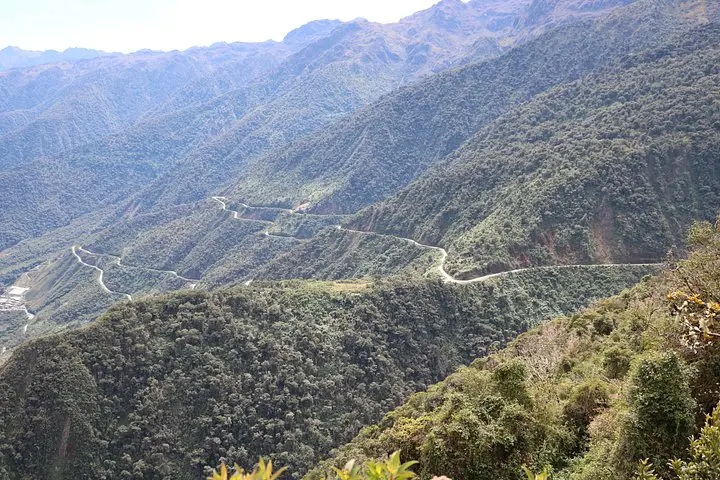
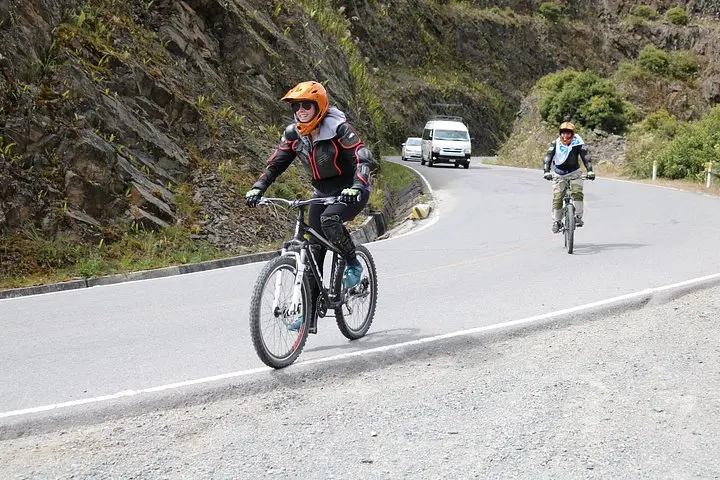
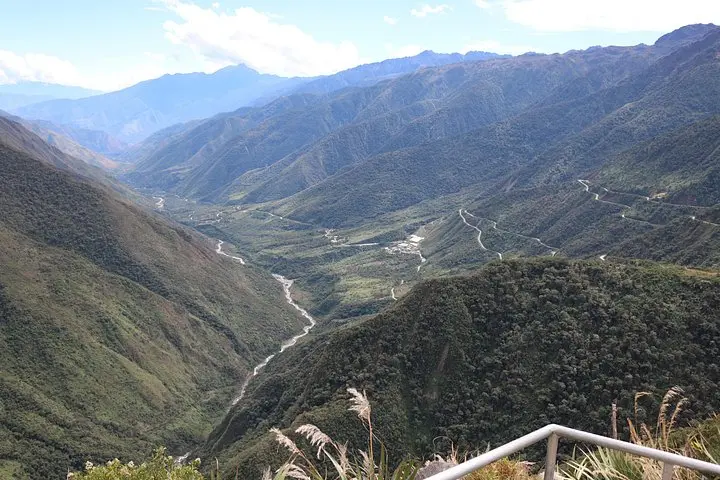
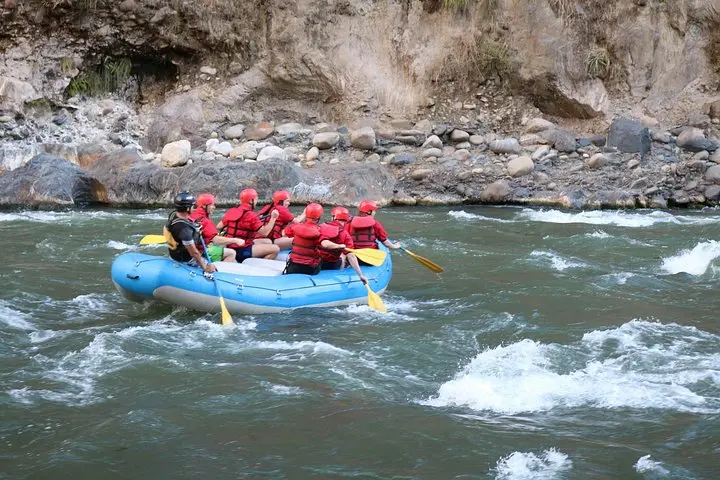
Morning mist lifts off the Vilcanota as the first shuttle leaves Cusco; you feel the Andes breathe beneath the tires and the jungle’s humidity press against the windows. On day one the road climbs to Abra Málaga (4,216 m) and then surrenders to a long, layered descent by bike—rivers dare you to keep pace and cloud forests crowd the trail.
Morning mist lifts off the Vilcanota as the first shuttle leaves Cusco; you feel the Andes breathe beneath the tires and the jungle’s humidity press against the windows. On day one the road climbs to Abra Málaga (4,216 m) and then surrenders to a long, layered descent by bike—rivers dare you to keep pace and cloud forests crowd the trail.
This itinerary follows recently rediscovered Inca roads that cut between high puna and humid montane forest, tracing pre-Hispanic linkages between the Sacred Valley and Machu Picchu. The geology shifts quickly: volcanic and sedimentary strata give way to carved granite and steep, moss-glazed terraces. Local campesino communities still farm coffee, coca and bananas; a coffee tour with a prize-winning producer offers a hands-on look at crop-to-cup culture.
Expect waterfalls that announce themselves, a 50–60 m veil and plunge falls, and thermal pools at Cocalmayo where the mountain’s heat relaxes tired legs. The route includes cycling (55 km segments), day hikes with up to 1,500 m cumulative descent/ascent, a zip-line complex with six lines and a Tibetan bridge, and the final train approach through the Machu Picchu sanctuary to Aguas Calientes.
Practical guidance: acclimatize in Cusco 24–48 hours, choose sturdy touring or hiking shoes with good grip for muddy jungle paths, and carry a compact rain shell—the region rains unpredictably year-round. Keep hydration, insect protection and copies of your passport handy for train and entrance checks. This trip blends active travel, local culture and the payoff: standing in the citadel as the valley opens beneath you.