THE ADVENTURE COLLECTIVE® · Independent discovery and booking for outdoor travel
Step out of a coach and into the 18th century: Louisbourg’s reconstructed ramparts, working ovens, and coast-facing cannons make history tactile. This 4-hour guided day trip from Sydney pairs a living-history fortress visit with a lighthouse stop and coastal viewpoints.
Step out of a coach and into the 18th century: Louisbourg’s reconstructed ramparts, working ovens, and coast-facing cannons make history tactile. This 4-hour guided day trip from Sydney pairs a living-history fortress visit with a lighthouse stop and coastal viewpoints.
The wind off the Atlantic grabs at your jacket as the coach eases up the coastal road—rocky headlands dropping into white-water teeth, gulls arguing overhead—and the reconstructed stone ramparts of Louisbourg appear, squat against the sea like a town that refused to leave history.
Verified experiences and guided adventures in the surrounding area.
Operated by City Heart Tours · Louisbourg, Nova Scotia
The wind off the Atlantic grabs at your jacket as the coach eases up the coastal road—rocky headlands dropping into white-water teeth, gulls arguing overhead—and the reconstructed stone ramparts of Louisbourg appear, squat against the sea like a town that refused to leave history.
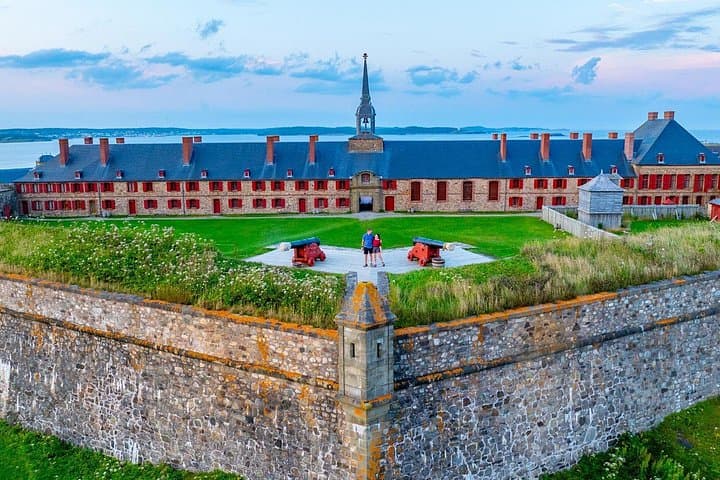
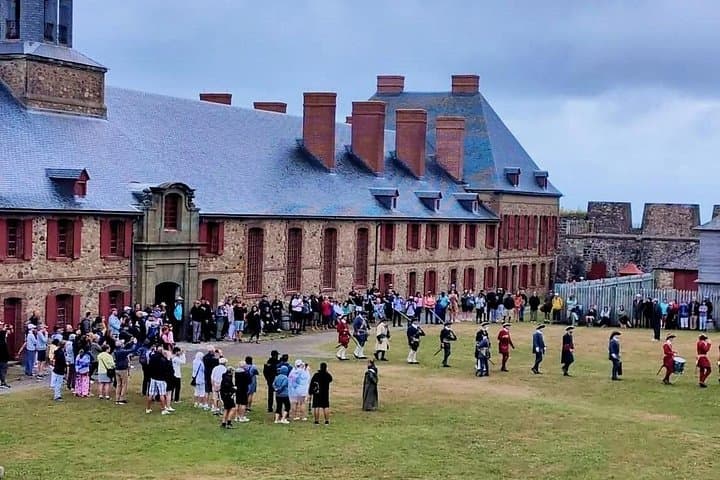
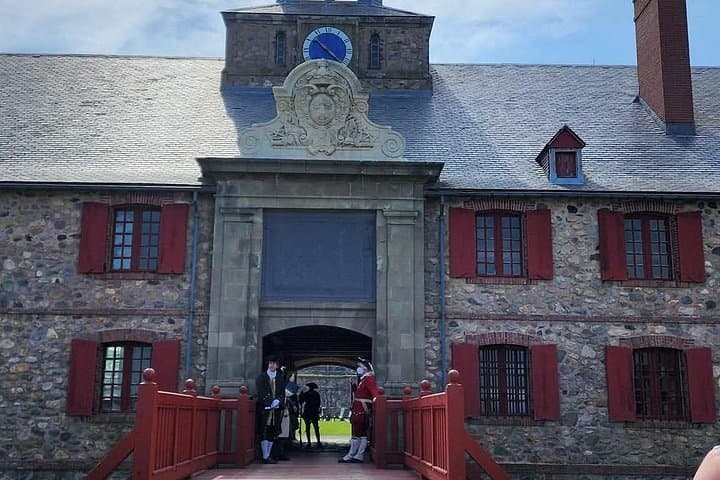
At the Fortress of Louisbourg you move through 1744 not on a page but down cobblestone lanes: barracks that still smell faintly of smoke, ovens that send out the warm scent of bread, and costumed interpreters drilling muskets and telling stories of fishermen, soldiers and shipwrights. Geologically, the coastline is carved from Carboniferous and Paleozoic outcrops; cliffs and ledges tell a practical story of erosion and exposure that shaped where forts and lighthouses stood.
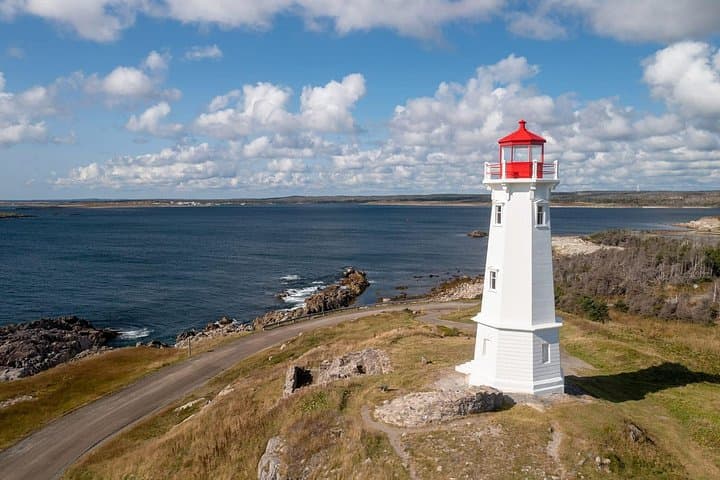
Culturally the site honors both French colonial ambition and the Indigenous and Acadian presences that predate and outlast it. Nearby the Louisbourg Lighthouse marks Canada’s early navigational history—its headland has long watched for ships, storms and shipwrecks.
Practical guidance: this is a paced, guided walking tour about four hours long with periods of standing and uneven ground; comfortable, grippy footwear and layered outerwear are recommended year-round. Summer brings the largest interpreter programs and the busiest roads—book early if arriving by cruise. Spring and fall can be blustery; check wind and tide conditions if you plan cliffside photos. Bring water, a weatherproof layer, and a camera; leave artifacts and fenced areas undisturbed. If mobility is a concern, contact the site ahead—some ramparts and buildings have accessible routes, but cobbles and historic structures limit full access.
Some areas and buildings have accessible routes but cobblestones and historic structures limit full access; contact the site in advance to discuss specific needs.
Yes—entrance fees to the Fortress are included with this tour, and guided access is provided as described in the itinerary.
The full excursion is approximately four hours, including guided segments and a short block of free time to explore the grounds or visit the period-style bakery.
The tour may be canceled for severe weather; check the provider’s 24-hour cancellation policy and contact them if conditions look poor on your travel date.
City Heart Tours operates guided outdoor trips and adventures with an emphasis on safety, stewardship, and memorable experiences.
The wind off the Atlantic grabs at your jacket as the coach eases up the coastal road—rocky headlands dropping into white-water teeth, gulls arguing overhead—and the reconstructed stone ramparts of Louisbourg appear, squat against the sea like a town that refused to leave history.
The wind off the Atlantic grabs at your jacket as the coach eases up the coastal road—rocky headlands dropping into white-water teeth, gulls arguing overhead—and the reconstructed stone ramparts of Louisbourg appear, squat against the sea like a town that refused to leave history.
At the Fortress of Louisbourg you move through 1744 not on a page but down cobblestone lanes: barracks that still smell faintly of smoke, ovens that send out the warm scent of bread, and costumed interpreters drilling muskets and telling stories of fishermen, soldiers and shipwrights. Geologically, the coastline is carved from Carboniferous and Paleozoic outcrops; cliffs and ledges tell a practical story of erosion and exposure that shaped where forts and lighthouses stood.
Culturally the site honors both French colonial ambition and the Indigenous and Acadian presences that predate and outlast it. Nearby the Louisbourg Lighthouse marks Canada’s early navigational history—its headland has long watched for ships, storms and shipwrecks.
Practical guidance: this is a paced, guided walking tour about four hours long with periods of standing and uneven ground; comfortable, grippy footwear and layered outerwear are recommended year-round. Summer brings the largest interpreter programs and the busiest roads—book early if arriving by cruise. Spring and fall can be blustery; check wind and tide conditions if you plan cliffside photos. Bring water, a weatherproof layer, and a camera; leave artifacts and fenced areas undisturbed. If mobility is a concern, contact the site ahead—some ramparts and buildings have accessible routes, but cobbles and historic structures limit full access.
