THE ADVENTURE COLLECTIVE® · Independent discovery and booking for outdoor travel

Step into 18th‑century life at the Fortress of Louisbourg, then follow a coastal trail to Canada’s earliest lighthouse site. This private 3–4 hour tour blends immersive historic interpretation with rugged Atlantic views—ideal for history buffs and curious travelers.
Step into 18th‑century life at the Fortress of Louisbourg, then follow a coastal trail to Canada’s earliest lighthouse site. This private 3–4 hour tour blends immersive historic interpretation with rugged Atlantic views—ideal for history buffs and curious travelers.
The tour begins where stone streets meet the sea: cold Atlantic wind pushing at your jacket, gulls calling, and the low boom of history that still seems to echo from the fortress walls. Walk past period houses and market stalls and you can almost hear the cadence of 18th‑century life—soldiers sharpening bayonets, fishermen hauling nets, and the sea daring ships to come closer.
Verified experiences and guided adventures in the surrounding area.
Operated by Bluewave tours · Louisbourg, Nova Scotia
The tour begins where stone streets meet the sea: cold Atlantic wind pushing at your jacket, gulls calling, and the low boom of history that still seems to echo from the fortress walls. Walk past period houses and market stalls and you can almost hear the cadence of 18th‑century life—soldiers sharpening bayonets, fishermen hauling nets, and the sea daring ships to come closer.
Louisbourg was built as a strategic French stronghold in the 1700s; the reconstruction on the harbour recreates that military and mercantile world. Geologically, the shoreline is a product of glacial scouring and resistant bedrock, which yields steep headlands and cobble beaches where currents carve channels and birds ride the updrafts. Local culture today blends Acadian and Mi'kmaq histories with maritime industries—guides typically point out stories of sieges, trade, and the lighthouse that urged sailors safely home since the first beacon in 1734.
On this private 3–4 hour outing you’ll move at your group’s pace: ninety minutes among costumed interpreters, live trades like blacksmithing and musket demonstrations (seasonal), plus a quieter walk to the lighthouse for panoramic ocean views. Expect uneven cobbles, some low stairs, and exposed coastal wind that changes fast.
Practical notes: wear sturdy shoes and layered clothing, carry water and a windproof shell, and plan for camera stops—light can shift from soft to sharp within minutes. If arriving by cruise, allow the 30‑minute meet window after disembarkation. Respect live interpreters and fragile shoreline habitats: stay on marked paths and pack out what you pack in.
Expect about 60–90 minutes of guided walking through the reconstructed town with stops at buildings and demonstrations.
The Lighthouse Trail is short and mostly gentle, but it includes exposed sections and uneven ground—good shoes recommended.
Yes; guides monitor cruise arrivals and provide a 30‑minute meet window after disembarkation—confirm pickup details when booking.
Some activities like musket firing and cannon booming run seasonally (typically late spring through early fall); check with the operator for exact dates.
Bluewave tours operates guided outdoor trips and adventures with an emphasis on safety, stewardship, and memorable experiences.
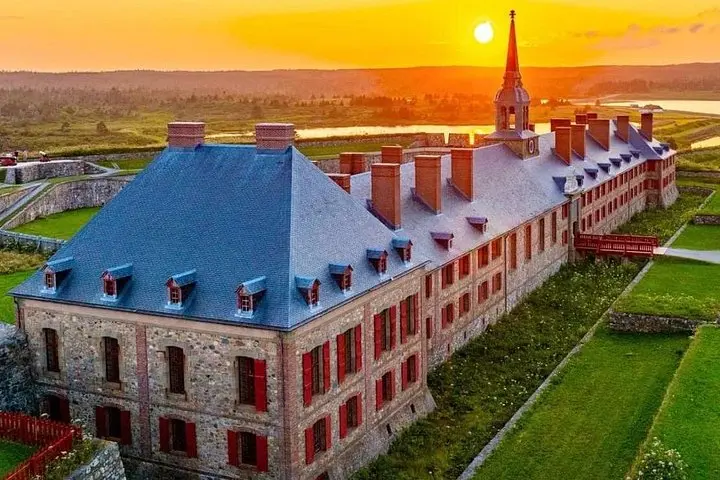
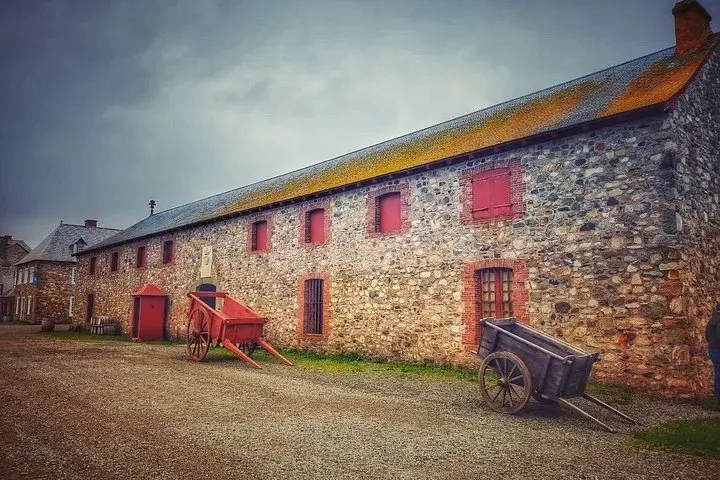
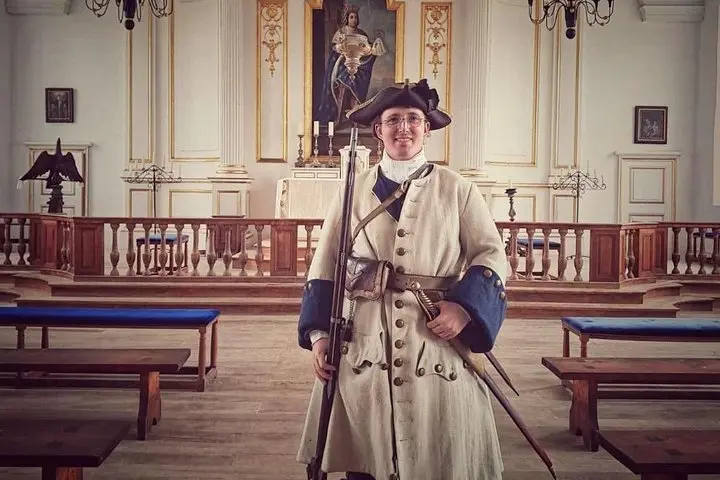
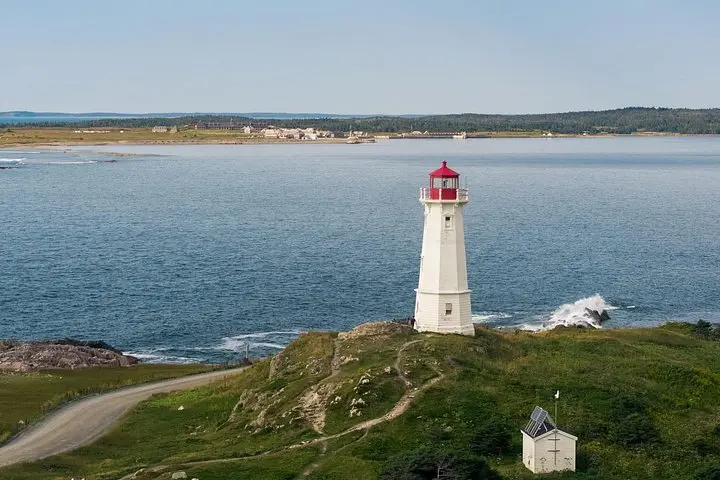
The tour begins where stone streets meet the sea: cold Atlantic wind pushing at your jacket, gulls calling, and the low boom of history that still seems to echo from the fortress walls. Walk past period houses and market stalls and you can almost hear the cadence of 18th‑century life—soldiers sharpening bayonets, fishermen hauling nets, and the sea daring ships to come closer.
The tour begins where stone streets meet the sea: cold Atlantic wind pushing at your jacket, gulls calling, and the low boom of history that still seems to echo from the fortress walls. Walk past period houses and market stalls and you can almost hear the cadence of 18th‑century life—soldiers sharpening bayonets, fishermen hauling nets, and the sea daring ships to come closer.
Louisbourg was built as a strategic French stronghold in the 1700s; the reconstruction on the harbour recreates that military and mercantile world. Geologically, the shoreline is a product of glacial scouring and resistant bedrock, which yields steep headlands and cobble beaches where currents carve channels and birds ride the updrafts. Local culture today blends Acadian and Mi'kmaq histories with maritime industries—guides typically point out stories of sieges, trade, and the lighthouse that urged sailors safely home since the first beacon in 1734.
On this private 3–4 hour outing you’ll move at your group’s pace: ninety minutes among costumed interpreters, live trades like blacksmithing and musket demonstrations (seasonal), plus a quieter walk to the lighthouse for panoramic ocean views. Expect uneven cobbles, some low stairs, and exposed coastal wind that changes fast.
Practical notes: wear sturdy shoes and layered clothing, carry water and a windproof shell, and plan for camera stops—light can shift from soft to sharp within minutes. If arriving by cruise, allow the 30‑minute meet window after disembarkation. Respect live interpreters and fragile shoreline habitats: stay on marked paths and pack out what you pack in.