THE ADVENTURE COLLECTIVE® · Independent discovery and booking for outdoor travel

Head out before dawn from Lovina Beach to watch wild dolphins play in calm North Bali waters, then snorkel shallow reefs with local guides. This guided morning tour pairs a wildlife encounter with easy snorkeling suitable for most travelers.
Head out before dawn from Lovina Beach to watch wild dolphins play in calm North Bali waters, then snorkel shallow reefs with local guides. This guided morning tour pairs a wildlife encounter with easy snorkeling suitable for most travelers.
Before the sun clears the rim of Bali’s northern sea, a wooden jukung slips away from black sand and into glassy water. The boat rocks in a hush; fishermen point toward arcs of gray breaking the surface — dolphins cruising as if to inspect the day. In Lovina, that first hour is the show: pods surf, leap, and braid through your wake, the ocean seeming to test your attention.
Verified experiences and guided adventures in the surrounding area.
Operated by Orenda Bali · Lovina Beach, Bali
Before the sun clears the rim of Bali’s northern sea, a wooden jukung slips away from black sand and into glassy water. The boat rocks in a hush; fishermen point toward arcs of gray breaking the surface — dolphins cruising as if to inspect the day. In Lovina, that first hour is the show: pods surf, leap, and braid through your wake, the ocean seeming to test your attention.
Lovina’s coastline grew as a quieter counterpoint to southern Bali’s resorts after the 20th century, serving fishing villages and a mix of Balinese and Buddhist communities. The volcanic geology of north Bali shapes shallow fringing reefs and calm bays, which in turn invite tropical fish and curious cetaceans close to shore.
After the dolphin encounter the trip shifts to snorkeling at protected reef pockets. Easy currents and clear visibility make this accessible for beginners; expect colorful reef fish, soft corals, and occasional sea turtles if conditions allow. Local guides run these morning trips with compact groups and traditional boats — an economy built on patient early starts and sea knowledge passed down through families.
Practical guidance: start before sunrise to catch the most active dolphin sightings and calmer seas, wear reef-safe sunscreen, and choose a tour that prioritizes viewing distance over feeding. Bring motion-sickness precautions if you’re prone to it and a small dry bag for valuables. Show respect to wildlife by observing quietly and letting the dolphins lead the encounter — this keeps future sightings possible for everyone.
Early morning, around sunrise, when the sea is calm and dolphins are most active—tours typically depart before dawn.
Some operators offer a swimming option, but ethical practices vary; responsible guides prioritize observation and do not allow chasing or feeding.
Typical inclusions are private or shared boat, snorkel gear, safety equipment, guide, lunch, and hotel transfer if booked—confirm specifics when booking.
Yes—many tours accommodate families and provide life jackets; non‑swimmers should stay in shallow, supervised areas or on the boat during snorkeling.
Orenda Bali operates guided outdoor trips and adventures with an emphasis on safety, stewardship, and memorable experiences.
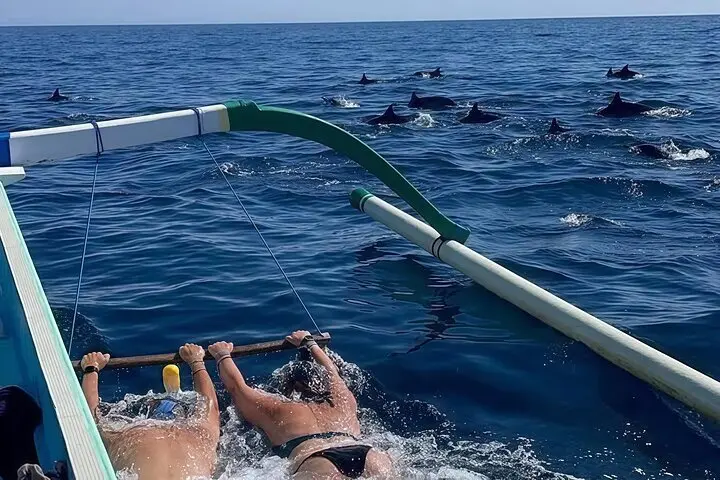
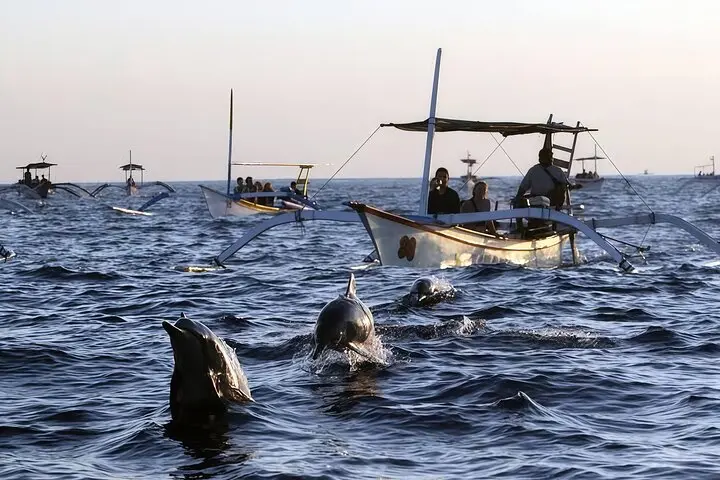


Before the sun clears the rim of Bali’s northern sea, a wooden jukung slips away from black sand and into glassy water. The boat rocks in a hush; fishermen point toward arcs of gray breaking the surface — dolphins cruising as if to inspect the day. In Lovina, that first hour is the show: pods surf, leap, and braid through your wake, the ocean seeming to test your attention.
Before the sun clears the rim of Bali’s northern sea, a wooden jukung slips away from black sand and into glassy water. The boat rocks in a hush; fishermen point toward arcs of gray breaking the surface — dolphins cruising as if to inspect the day. In Lovina, that first hour is the show: pods surf, leap, and braid through your wake, the ocean seeming to test your attention.
Lovina’s coastline grew as a quieter counterpoint to southern Bali’s resorts after the 20th century, serving fishing villages and a mix of Balinese and Buddhist communities. The volcanic geology of north Bali shapes shallow fringing reefs and calm bays, which in turn invite tropical fish and curious cetaceans close to shore.
After the dolphin encounter the trip shifts to snorkeling at protected reef pockets. Easy currents and clear visibility make this accessible for beginners; expect colorful reef fish, soft corals, and occasional sea turtles if conditions allow. Local guides run these morning trips with compact groups and traditional boats — an economy built on patient early starts and sea knowledge passed down through families.
Practical guidance: start before sunrise to catch the most active dolphin sightings and calmer seas, wear reef-safe sunscreen, and choose a tour that prioritizes viewing distance over feeding. Bring motion-sickness precautions if you’re prone to it and a small dry bag for valuables. Show respect to wildlife by observing quietly and letting the dolphins lead the encounter — this keeps future sightings possible for everyone.