THE ADVENTURE COLLECTIVE® · Independent discovery and booking for outdoor travel

Walk a narrow, sun-slit corridor of Navajo sandstone led by Navajo guides. Lower Antelope Canyon offers intimate light, sculpted walls, and a guided, safety-first experience on Navajo Nation land.
Walk a narrow, sun-slit corridor of Navajo sandstone led by Navajo guides. Lower Antelope Canyon offers intimate light, sculpted walls, and a guided, safety-first experience on Navajo Nation land.
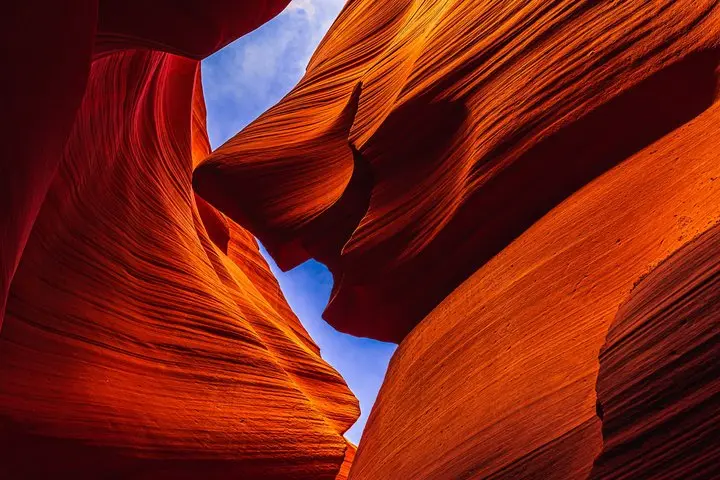
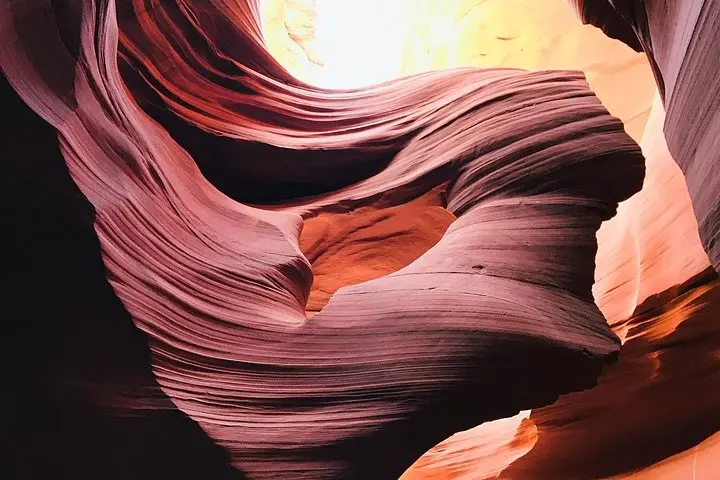
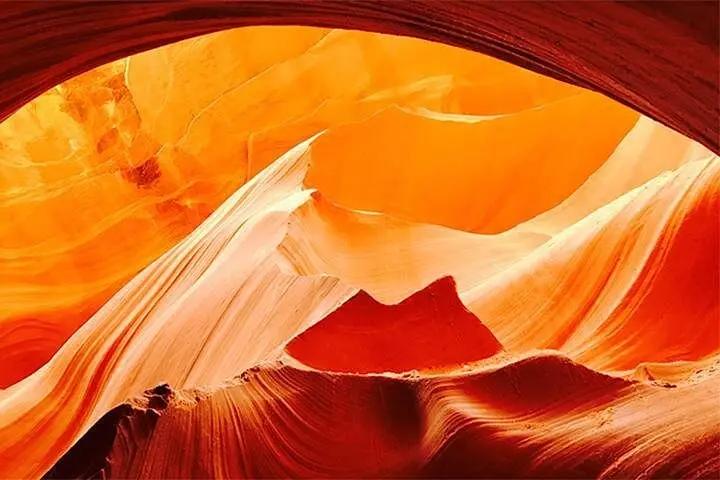
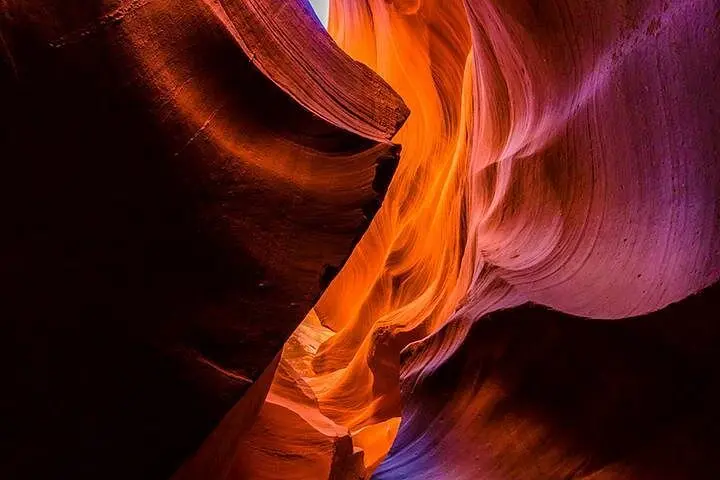
You step from the desert heat into a cooling slit of sandstone where light slices the walls into bands of gold and russet. The passage narrows and widens, stairs and sandy floors guiding you through sculpted curves that feel both ancient and immediate. Voices fall quieter as the group follows a Navajo guide whose knowledge keeps the pace steady and safe.
Verified experiences and guided adventures in the surrounding area.
Operated by National Park Express · Page, Arizona
You step from the desert heat into a cooling slit of sandstone where light slices the walls into bands of gold and russet. The passage narrows and widens, stairs and sandy floors guiding you through sculpted curves that feel both ancient and immediate. Voices fall quieter as the group follows a Navajo guide whose knowledge keeps the pace steady and safe.
Geology here is bold and simple: Navajo Sandstone carved by flash floods over hundreds of thousands of years. Lower Antelope runs north–south, so the canyon’s highlights shift as the sun moves, creating strong contrasts throughout the day. The site sits on Navajo Nation land; guided access preserves cultural protocols and pays a permit fee that supports local stewardship.
Expect a 60‑minute walk through uneven sand, narrow squeezes and short flights of metal stairs. Photography is popular but regulated—no tripods or large camera rigs—and guides may direct positioning to minimize congestion and protect fragile rock. Weather matters: sudden storms upstream can close the canyon without warning, and operators follow Navajo Parks’ safety protocols.
Practical tips: arrive early for parking and check‑in, stash prohibited items in your vehicle, wear closed‑toe shoes with grip, and bring a small bottle of water. Plan for a guided, interpretive experience rather than an independent hike—this is as much cultural access as it is a geological show. Tip your guide (cash $3–5 recommended) and move deliberately; the canyon rewards patience with framed shafts of light and surfaces worn smooth by time.
No—tripods, monopods, camera bags and large equipment are prohibited inside the canyon; bring a compact camera or phone only.
No—Lower Antelope Canyon has stairs, narrow passages and uneven sand; walkers, wheelchairs and strollers are not permitted.
Operators close the canyon if there’s flash flood risk; closures are decided by Navajo Parks and can occur with little notice for safety.
A modest cash tip of $3–5 per person is customary and appreciated for interpretive guiding and safety management.
National Park Express operates guided outdoor trips and adventures with an emphasis on safety, stewardship, and memorable experiences.
You step from the desert heat into a cooling slit of sandstone where light slices the walls into bands of gold and russet. The passage narrows and widens, stairs and sandy floors guiding you through sculpted curves that feel both ancient and immediate. Voices fall quieter as the group follows a Navajo guide whose knowledge keeps the pace steady and safe.
You step from the desert heat into a cooling slit of sandstone where light slices the walls into bands of gold and russet. The passage narrows and widens, stairs and sandy floors guiding you through sculpted curves that feel both ancient and immediate. Voices fall quieter as the group follows a Navajo guide whose knowledge keeps the pace steady and safe.
Geology here is bold and simple: Navajo Sandstone carved by flash floods over hundreds of thousands of years. Lower Antelope runs north–south, so the canyon’s highlights shift as the sun moves, creating strong contrasts throughout the day. The site sits on Navajo Nation land; guided access preserves cultural protocols and pays a permit fee that supports local stewardship.
Expect a 60‑minute walk through uneven sand, narrow squeezes and short flights of metal stairs. Photography is popular but regulated—no tripods or large camera rigs—and guides may direct positioning to minimize congestion and protect fragile rock. Weather matters: sudden storms upstream can close the canyon without warning, and operators follow Navajo Parks’ safety protocols.
Practical tips: arrive early for parking and check‑in, stash prohibited items in your vehicle, wear closed‑toe shoes with grip, and bring a small bottle of water. Plan for a guided, interpretive experience rather than an independent hike—this is as much cultural access as it is a geological show. Tip your guide (cash $3–5 recommended) and move deliberately; the canyon rewards patience with framed shafts of light and surfaces worn smooth by time.