THE ADVENTURE COLLECTIVE® · Independent discovery and booking for outdoor travel

A full-day journey from Las Vegas that pairs the narrow, luminous passages of Lower Antelope Canyon with the vertiginous sweep of Horseshoe Bend and panoramic views of Lake Powell. Expect an early start, Navajo-led canyon access, photo-ready light, and a long but highly rewarding day on the road.
A full-day journey from Las Vegas that pairs the narrow, luminous passages of Lower Antelope Canyon with the vertiginous sweep of Horseshoe Bend and panoramic views of Lake Powell. Expect an early start, Navajo-led canyon access, photo-ready light, and a long but highly rewarding day on the road.
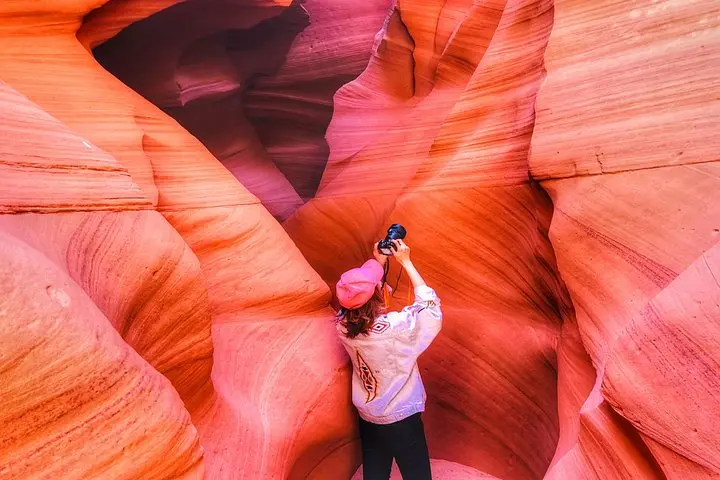
You feel the day begin before the canyon appears—coffee at dawn in a climate-controlled van, the highway unspooling through the Virgin River Gorge, red rock edges stealing light as you cross into Utah. By midmorning the van slows and the world tightens: a narrow slit in the sandstone that accepts only light and sound. In Lower Antelope Canyon, a Navajo guide leads the group through corridors of honeyed stone where a single shaft of sun can turn dust motes into a drifting river of gold.
Verified experiences and guided adventures in the surrounding area.
Operated by MaxTour · Page, Arizona
You feel the day begin before the canyon appears—coffee at dawn in a climate-controlled van, the highway unspooling through the Virgin River Gorge, red rock edges stealing light as you cross into Utah. By midmorning the van slows and the world tightens: a narrow slit in the sandstone that accepts only light and sound. In Lower Antelope Canyon, a Navajo guide leads the group through corridors of honeyed stone where a single shaft of sun can turn dust motes into a drifting river of gold.
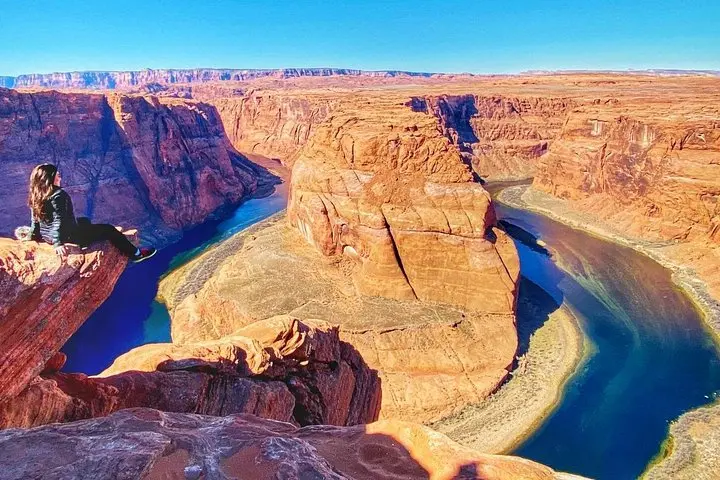
Lower Antelope is sculpted Navajo Sandstone, a record of ancient dunes compressed and painted by iron and manganese over millions of years. The corridor’s shapes owe as much to time and flash floods as to wind—water that once dared to push through rock now lies 1,000 feet below at Horseshoe Bend. At the overlook the Colorado River reveals the work of quiet persistence, curling into a 270° meander framed by sheer cliffs and a blue-green ribbon of water that dares you to step closer to the edge.
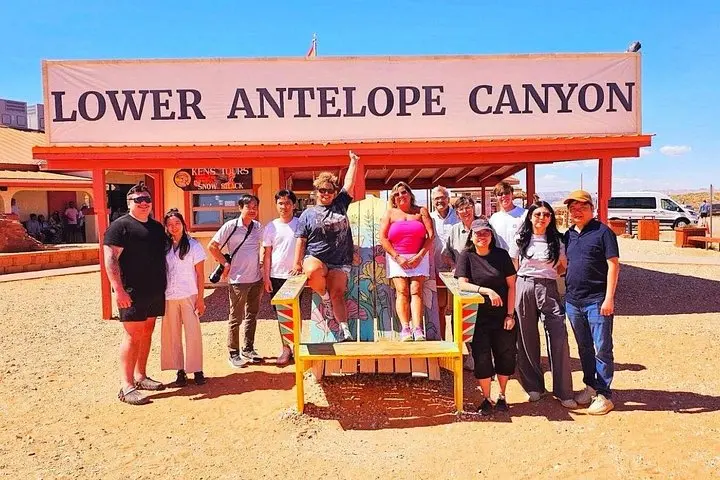
This is also a cultural landscape: the canyon sits on Navajo Nation land and tours are led by Navajo guides who share stories about the rock, its names, and the protocols that keep the space respectful. Later, the route passes Lake Powell and the Glen Canyon Dam—contrasts of human engineering and raw geology that invite a longer conversation about water, power, and stewardship in the American Southwest.
Practically speaking, expect a long day. The tour departs from Las Vegas early and returns after a full schedule of stops and short hikes. Lower Antelope requires negotiating uneven, sandy footing and tight passages—none of it technical but all of it requiring attention. Horseshoe Bend includes a short, sandy hike to a high, exposed rim with no rail protection in sections; keep children close and pack sun protection.
Photography here is rewarding but specific: slot canyon beams peak around mid-to-late morning when the sun is high, while Horseshoe Bend breathes color at sunrise and late afternoon. Guides control timing inside the canyon to protect the site and keep the flow moving—arrive curious but patient.
Bring sturdy shoes, a full water bottle, layered clothing for desert swings in temperature, and a charged camera. Respect Navajo rules, carry out trash, and be prepared for crowds at popular viewpoints. Done right, the day is a concentrated lesson in how water and time carve landscape and culture alike—an efficient, humbling sweep through some of the Southwest’s most photographed geology.
The meeting point is the North Door Tour Lobby at Paris Las Vegas; the operator provides the exact meeting link and guides contact passengers the day before.
Children 5 and older may join, but expect long travel times and short, exposed hikes; guardians should assess comfort with heights and sun exposure.
Tripod use is often restricted to protect the canyon and maintain group flow; check with the guide—lightweight monopods or stabilized handheld setups are usually more practical.
Restroom stops are scheduled at service areas and facilities near the attractions; plan accordingly as facilities at viewpoints can be basic.
The canyon includes uneven steps and narrow passages and is not recommended for travelers with significant spinal, mobility, or cardiovascular restrictions.
Tours may be canceled for severe weather, including flash flood risk in slot canyons; cancel at least 24 hours before departure for a full refund per operator policy.
MaxTour operates guided outdoor trips and adventures with an emphasis on safety, stewardship, and memorable experiences.
You feel the day begin before the canyon appears—coffee at dawn in a climate-controlled van, the highway unspooling through the Virgin River Gorge, red rock edges stealing light as you cross into Utah. By midmorning the van slows and the world tightens: a narrow slit in the sandstone that accepts only light and sound. In Lower Antelope Canyon, a Navajo guide leads the group through corridors of honeyed stone where a single shaft of sun can turn dust motes into a drifting river of gold.
You feel the day begin before the canyon appears—coffee at dawn in a climate-controlled van, the highway unspooling through the Virgin River Gorge, red rock edges stealing light as you cross into Utah. By midmorning the van slows and the world tightens: a narrow slit in the sandstone that accepts only light and sound. In Lower Antelope Canyon, a Navajo guide leads the group through corridors of honeyed stone where a single shaft of sun can turn dust motes into a drifting river of gold.
Lower Antelope is sculpted Navajo Sandstone, a record of ancient dunes compressed and painted by iron and manganese over millions of years. The corridor’s shapes owe as much to time and flash floods as to wind—water that once dared to push through rock now lies 1,000 feet below at Horseshoe Bend. At the overlook the Colorado River reveals the work of quiet persistence, curling into a 270° meander framed by sheer cliffs and a blue-green ribbon of water that dares you to step closer to the edge.
This is also a cultural landscape: the canyon sits on Navajo Nation land and tours are led by Navajo guides who share stories about the rock, its names, and the protocols that keep the space respectful. Later, the route passes Lake Powell and the Glen Canyon Dam—contrasts of human engineering and raw geology that invite a longer conversation about water, power, and stewardship in the American Southwest.
Practically speaking, expect a long day. The tour departs from Las Vegas early and returns after a full schedule of stops and short hikes. Lower Antelope requires negotiating uneven, sandy footing and tight passages—none of it technical but all of it requiring attention. Horseshoe Bend includes a short, sandy hike to a high, exposed rim with no rail protection in sections; keep children close and pack sun protection.
Photography here is rewarding but specific: slot canyon beams peak around mid-to-late morning when the sun is high, while Horseshoe Bend breathes color at sunrise and late afternoon. Guides control timing inside the canyon to protect the site and keep the flow moving—arrive curious but patient.
Bring sturdy shoes, a full water bottle, layered clothing for desert swings in temperature, and a charged camera. Respect Navajo rules, carry out trash, and be prepared for crowds at popular viewpoints. Done right, the day is a concentrated lesson in how water and time carve landscape and culture alike—an efficient, humbling sweep through some of the Southwest’s most photographed geology.