THE ADVENTURE COLLECTIVE® · Independent discovery and booking for outdoor travel

Walk the streets where New York’s immigrant waves reshaped the city. This 2–3 hour Lower East Side tour pairs historic photos with surviving tenements to trace the housing crises and reforms that followed.
Walk the streets where New York’s immigrant waves reshaped the city. This 2–3 hour Lower East Side tour pairs historic photos with surviving tenements to trace the housing crises and reforms that followed.
Step off the sidewalk at Foley Square and the city’s past tilts into view: cobbled courtyards give way to long brick faces, narrow windows and fire escapes that cut lacy shadows across the street. The guide unfolds a map of migration, pointing to building façades that still hold the scars of overcrowding and reform.
Verified experiences and guided adventures in the surrounding area.
Operated by Manhattan Unlocked Historical and Architectural Walking Tours · New York, NY
Step off the sidewalk at Foley Square and the city’s past tilts into view: cobbled courtyards give way to long brick faces, narrow windows and fire escapes that cut lacy shadows across the street. The guide unfolds a map of migration, pointing to building façades that still hold the scars of overcrowding and reform.
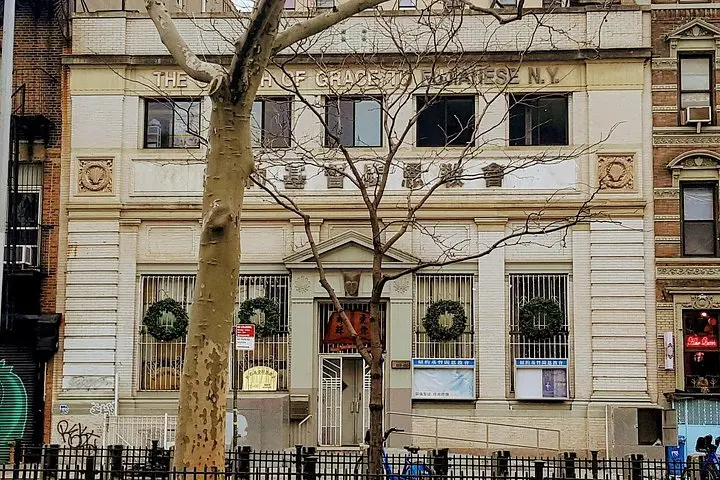
This walking tour tracks the Lower East Side’s shift from marshy farmland to one of the densest immigrant neighborhoods in the late 19th and early 20th centuries. Expect stops at the former Five Points and Mulberry Bend, photo comparisons from Jacob Riis, and the Eldridge Street Synagogue that anchors the Jewish experience. Urban geology here is human-made — landfill, tenement footprints and narrow lot patterns that shaped ventilation, sanitation, and lawmaking.
Cultural memory is palpable: newspapers, bathhouses, and former sweatshop rows tell a story of adaptation, community institutions, and the legal reforms that changed housing standards. The tour concludes with a bird’s-eye panorama from the Indigo Hotel lobby, where you can read tenement types across blocks.
Practical info: this is a 2–3 hour shared walking tour with multiple short stops and some stair access. Wear comfortable shoes, bring water and layered clothing for variable weather. Public transit serves the start point and the route covers uneven sidewalks and busy streets—keep an eye on traffic. Guides use historic photos to compare past to present, so arrive ready to listen, look up at façades, and ask about building types and the laws that reshaped urban housing.
Expect roughly 1.5–3 miles over 2–3 hours with frequent stops for interpretation and photos.
Many sidewalks and curb cuts are accessible, but some routes include stairs and narrow passages; contact the operator to discuss accommodations.
It begins near the Triumph of the Human Spirit sculpture in Foley Square and ends overlooking the route from the Indigo Hotel lobby rooftop view.
Tours may cancel for severe weather; light rain usually proceeds—check your booking confirmation for cancellation policies.
Manhattan Unlocked Historical and Architectural Walking Tours operates guided outdoor trips and adventures with an emphasis on safety, stewardship, and memorable experiences.
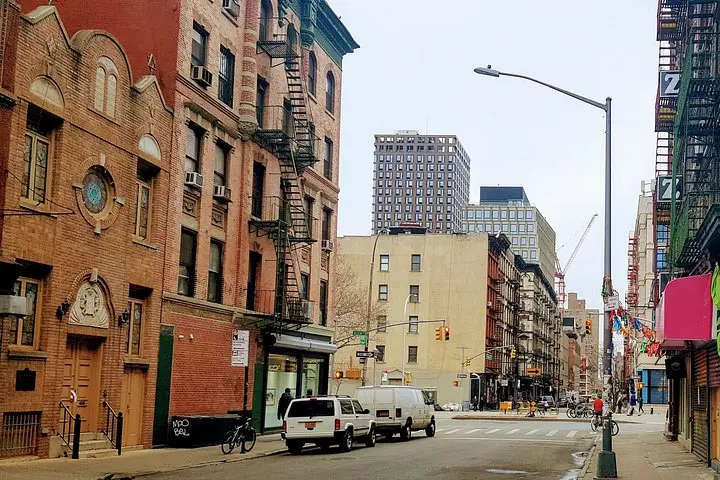
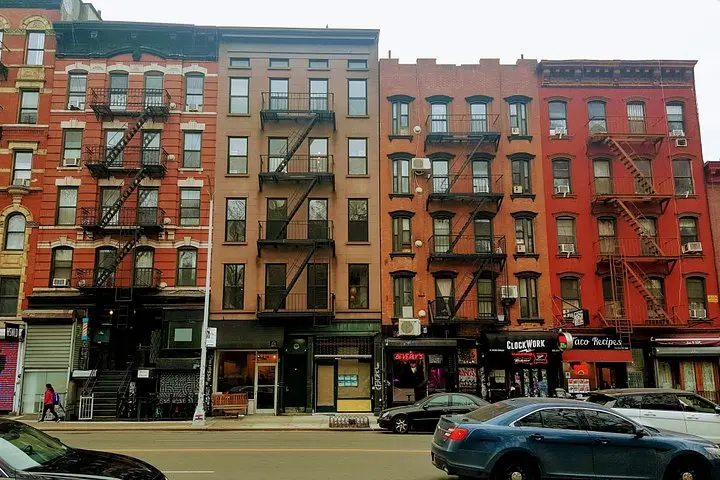
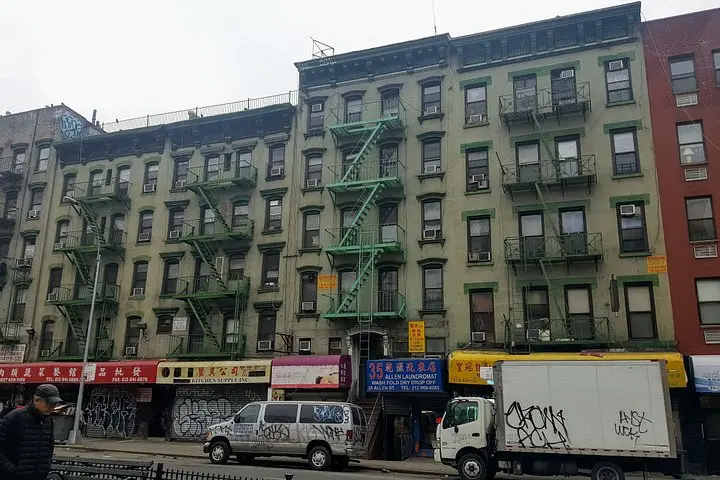
Step off the sidewalk at Foley Square and the city’s past tilts into view: cobbled courtyards give way to long brick faces, narrow windows and fire escapes that cut lacy shadows across the street. The guide unfolds a map of migration, pointing to building façades that still hold the scars of overcrowding and reform.
Step off the sidewalk at Foley Square and the city’s past tilts into view: cobbled courtyards give way to long brick faces, narrow windows and fire escapes that cut lacy shadows across the street. The guide unfolds a map of migration, pointing to building façades that still hold the scars of overcrowding and reform.
This walking tour tracks the Lower East Side’s shift from marshy farmland to one of the densest immigrant neighborhoods in the late 19th and early 20th centuries. Expect stops at the former Five Points and Mulberry Bend, photo comparisons from Jacob Riis, and the Eldridge Street Synagogue that anchors the Jewish experience. Urban geology here is human-made — landfill, tenement footprints and narrow lot patterns that shaped ventilation, sanitation, and lawmaking.
Cultural memory is palpable: newspapers, bathhouses, and former sweatshop rows tell a story of adaptation, community institutions, and the legal reforms that changed housing standards. The tour concludes with a bird’s-eye panorama from the Indigo Hotel lobby, where you can read tenement types across blocks.
Practical info: this is a 2–3 hour shared walking tour with multiple short stops and some stair access. Wear comfortable shoes, bring water and layered clothing for variable weather. Public transit serves the start point and the route covers uneven sidewalks and busy streets—keep an eye on traffic. Guides use historic photos to compare past to present, so arrive ready to listen, look up at façades, and ask about building types and the laws that reshaped urban housing.