THE ADVENTURE COLLECTIVE® · Independent discovery and booking for outdoor travel

Walk the Lower East Side with a local guide and trace generations of immigration through tenements, markets, and street art. This three‑hour tour mixes neighborhood history with practical stops at market stalls and landmark sites.
Walk the Lower East Side with a local guide and trace generations of immigration through tenements, markets, and street art. This three‑hour tour mixes neighborhood history with practical stops at market stalls and landmark sites.
The tour begins on a cracked sidewalk where steam rises from grates and storefronts trade hand-painted signs for glass. Participants move through narrow streets that still hum with the city's immigrant past — the rhythm of vendors, the clack of subway grates, and murals that argumentatively point to what the neighborhood has become.
Verified experiences and guided adventures in the surrounding area.
Operated by Allen Batista Travel, Inc · New York, New York
The tour begins on a cracked sidewalk where steam rises from grates and storefronts trade hand-painted signs for glass. Participants move through narrow streets that still hum with the city's immigrant past — the rhythm of vendors, the clack of subway grates, and murals that argumentatively point to what the neighborhood has become.
Once the arrival point for waves of Jewish, Italian, German and later Latino and Asian immigrants, the Lower East Side keeps its history in tenement facades, synagogues and old pushcart routes. The geology is Manhattan’s bedrock of schist underlaid by landfill at the East River edge; its streets follow a grid softened by the organic growth of communities rather than engineered plans.
Visitors will pass sites tied to working‑class migration, from small delis and kosher bakeries to community markets. Cultural notes include the legacy of the Tenement Museum era, the evolution of Essex Market, and the neighborhood’s recent revival with galleries and contemporary restaurants. Local guides often point out plaques, sculptural street art, and the layered architectural changes that map economic shifts.
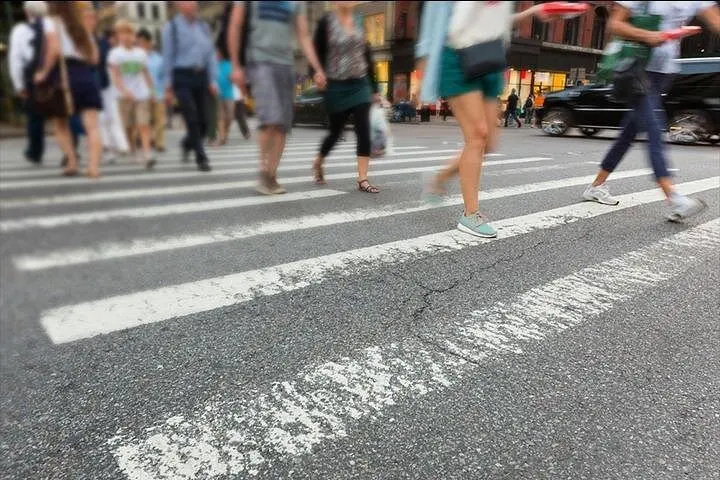
Practical guidance: plan for about three hours on foot, wearing sturdy shoes for uneven sidewalks and busy crosswalks. Bring a transit card or contactless payment, water, and a small umbrella — sudden showers are common. Morning tours avoid the heaviest crowds and let you visit markets while vendors set up. The experience is conversational and observational: expect frequent stops to hear stories, ask questions, and sample a bite if permitted. Respect private properties, watch traffic, and allow extra time for photography and market browsing.
The tour notes stroller accessibility and is physically easy, but wheelchair access depends on specific street conditions—contact the operator ahead of time for accessibility arrangements.
The standard itinerary lasts about three hours and involves steady walking across several Lower East Side blocks with frequent stops.
Guides often point out notable food stops and markets; tastings depend on the operator and may require separate payment.
The tour may be operated by multi‑lingual guides and is available in English, with occasional Spanish and French options—confirm at booking.
Allen Batista Travel, Inc operates guided outdoor trips and adventures with an emphasis on safety, stewardship, and memorable experiences.
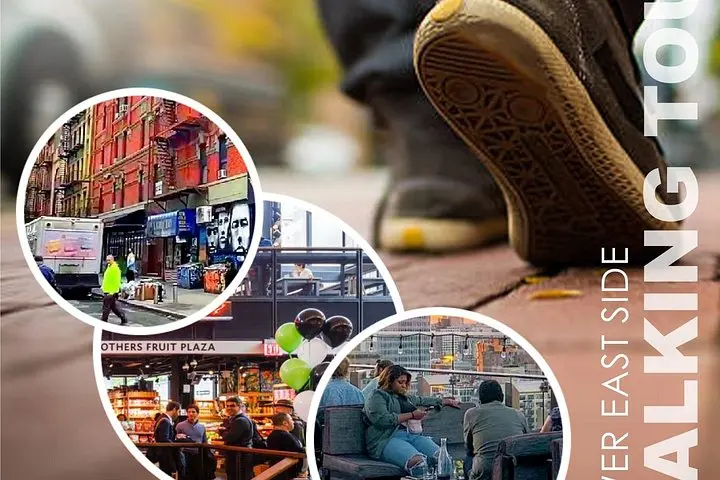
The tour begins on a cracked sidewalk where steam rises from grates and storefronts trade hand-painted signs for glass. Participants move through narrow streets that still hum with the city's immigrant past — the rhythm of vendors, the clack of subway grates, and murals that argumentatively point to what the neighborhood has become.
The tour begins on a cracked sidewalk where steam rises from grates and storefronts trade hand-painted signs for glass. Participants move through narrow streets that still hum with the city's immigrant past — the rhythm of vendors, the clack of subway grates, and murals that argumentatively point to what the neighborhood has become.
Once the arrival point for waves of Jewish, Italian, German and later Latino and Asian immigrants, the Lower East Side keeps its history in tenement facades, synagogues and old pushcart routes. The geology is Manhattan’s bedrock of schist underlaid by landfill at the East River edge; its streets follow a grid softened by the organic growth of communities rather than engineered plans.
Visitors will pass sites tied to working‑class migration, from small delis and kosher bakeries to community markets. Cultural notes include the legacy of the Tenement Museum era, the evolution of Essex Market, and the neighborhood’s recent revival with galleries and contemporary restaurants. Local guides often point out plaques, sculptural street art, and the layered architectural changes that map economic shifts.
Practical guidance: plan for about three hours on foot, wearing sturdy shoes for uneven sidewalks and busy crosswalks. Bring a transit card or contactless payment, water, and a small umbrella — sudden showers are common. Morning tours avoid the heaviest crowds and let you visit markets while vendors set up. The experience is conversational and observational: expect frequent stops to hear stories, ask questions, and sample a bite if permitted. Respect private properties, watch traffic, and allow extra time for photography and market browsing.