THE ADVENTURE COLLECTIVE® · Independent discovery and booking for outdoor travel

A 14-day circuit from Kathmandu to the Tibetan-influenced heart of Lower Mustang. Expect high passes, deep gorges, apple orchards, hot springs and teahouse nights with continuous mountain views.
A 14-day circuit from Kathmandu to the Tibetan-influenced heart of Lower Mustang. Expect high passes, deep gorges, apple orchards, hot springs and teahouse nights with continuous mountain views.
You step off the dusty tourist bus into cool Himalayan air—first Kathmandu’s rumble, then winding roads to Pokhara, and finally the sharp, high-country light that defines Lower Mustang. The Kali Gandaki river dares you down valley floors where cliffs tighten and prayer flags stream across stone bridges. Between apple orchards in Marpha and the stone alleys of Kagbeni, the route moves at the pace of mule tracks and mountain winds.
Verified experiences and guided adventures in the surrounding area.
Operated by himalayan sanctuary adventure private limited · Jomsom, Gandaki Province
You step off the dusty tourist bus into cool Himalayan air—first Kathmandu’s rumble, then winding roads to Pokhara, and finally the sharp, high-country light that defines Lower Mustang. The Kali Gandaki river dares you down valley floors where cliffs tighten and prayer flags stream across stone bridges. Between apple orchards in Marpha and the stone alleys of Kagbeni, the route moves at the pace of mule tracks and mountain winds.
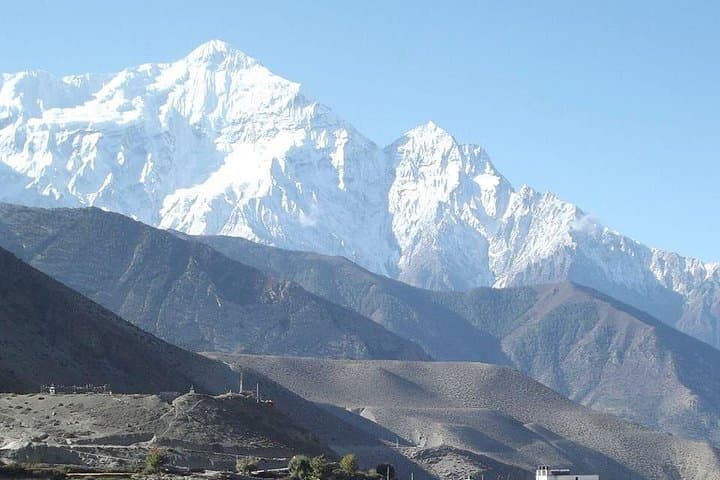
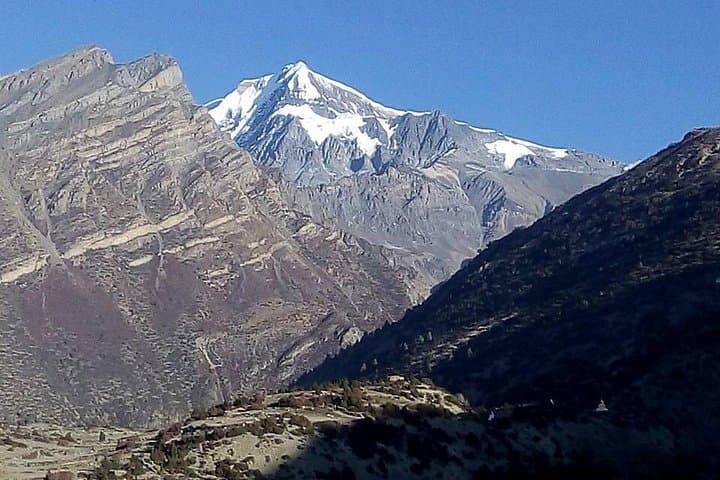
Geology here is blunt: the Annapurna and Dhaulagiri ranges loom as uplifted limestone, carving the world’s deepest gorge below. Culturally, Lower Mustang reads as a Tibetan plateau pocket—monasteries, prayer wheels, and traditional dress show Mustang’s long ties to Tibet and its role on old trans-Himalayan trade routes. You’ll cross landscapes that flip from rhododendron forests to arid, wind-swept canyons as elevation changes by thousands of meters.
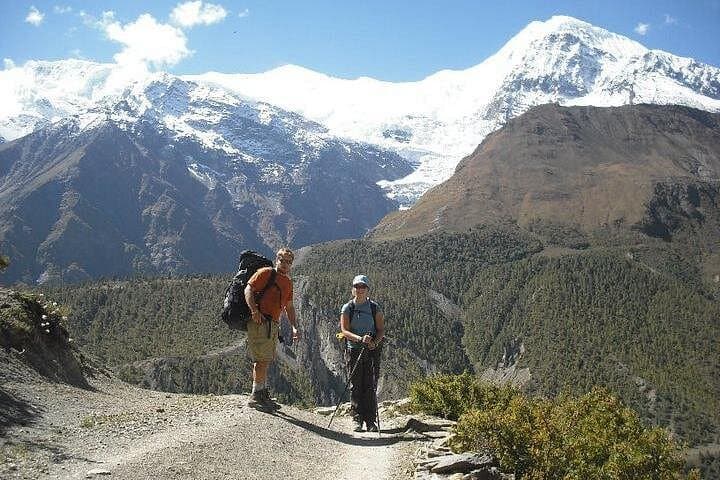
Practical guidance is straightforward: this 14-day itinerary mixes lodge-to-lodge trekking with short vehicle transfers and one scenic Jomsom–Pokhara flight. Expect long walking days, altitude gain up to ~3,760 m at Muktinath, and basic teahouse comforts. Pace your ascent, use a porter if you can, and carry cash—remote villages have limited card access. Hydrate, layer for big temperature swings (warm mornings, sharp cold after dark), and budget extra time for weather or acclimatization. Best windows are spring and fall for stable skies and warmer trails. Whether you’re here for sunrise views from Poon Hill or the pilgrimage at Muktinath, the trail rewards steady effort with clear mountain panoramas and direct cultural encounters.
Daily stages range from 3–9 hours; some long days include sustained ascents or descents—good fitness and steady pacing make the itinerary manageable.
Teahouses provide basic private rooms with shared or en-suite bathroom options in larger stops; expect simple beds, hot meals, and limited hot-water availability at higher elevations.
Yes—Annapurna Conservation Area permit (ACAP) and TIMS card are required; these are typically included or arranged by operators but confirm before departure.
A licensed guide is strongly recommended for navigation, cultural interpretation and safety; porters are common for carrying heavy bags and reduce fatigue on long sections.
himalayan sanctuary adventure private limited operates guided outdoor trips and adventures with an emphasis on safety, stewardship, and memorable experiences.
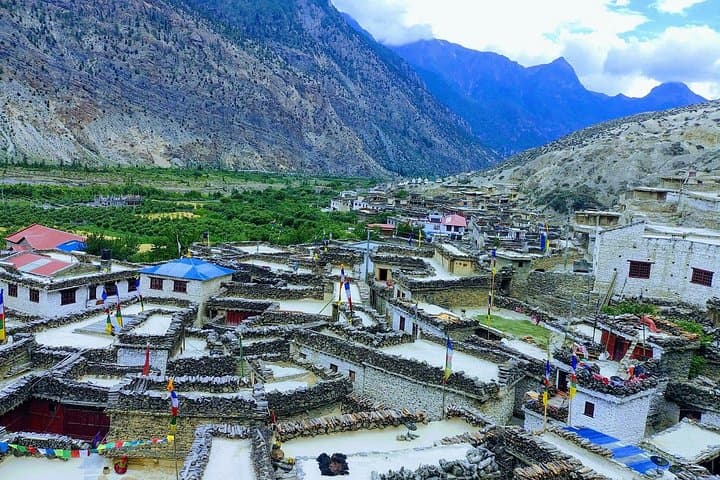
You step off the dusty tourist bus into cool Himalayan air—first Kathmandu’s rumble, then winding roads to Pokhara, and finally the sharp, high-country light that defines Lower Mustang. The Kali Gandaki river dares you down valley floors where cliffs tighten and prayer flags stream across stone bridges. Between apple orchards in Marpha and the stone alleys of Kagbeni, the route moves at the pace of mule tracks and mountain winds.
You step off the dusty tourist bus into cool Himalayan air—first Kathmandu’s rumble, then winding roads to Pokhara, and finally the sharp, high-country light that defines Lower Mustang. The Kali Gandaki river dares you down valley floors where cliffs tighten and prayer flags stream across stone bridges. Between apple orchards in Marpha and the stone alleys of Kagbeni, the route moves at the pace of mule tracks and mountain winds.
Geology here is blunt: the Annapurna and Dhaulagiri ranges loom as uplifted limestone, carving the world’s deepest gorge below. Culturally, Lower Mustang reads as a Tibetan plateau pocket—monasteries, prayer wheels, and traditional dress show Mustang’s long ties to Tibet and its role on old trans-Himalayan trade routes. You’ll cross landscapes that flip from rhododendron forests to arid, wind-swept canyons as elevation changes by thousands of meters.
Practical guidance is straightforward: this 14-day itinerary mixes lodge-to-lodge trekking with short vehicle transfers and one scenic Jomsom–Pokhara flight. Expect long walking days, altitude gain up to ~3,760 m at Muktinath, and basic teahouse comforts. Pace your ascent, use a porter if you can, and carry cash—remote villages have limited card access. Hydrate, layer for big temperature swings (warm mornings, sharp cold after dark), and budget extra time for weather or acclimatization. Best windows are spring and fall for stable skies and warmer trails. Whether you’re here for sunrise views from Poon Hill or the pilgrimage at Muktinath, the trail rewards steady effort with clear mountain panoramas and direct cultural encounters.