THE ADVENTURE COLLECTIVE® · Independent discovery and booking for outdoor travel

Cross high desert, river-carved gorges and Tibetan-influenced villages on a 12‑day trek from Pokhara to Muktinath. Expect long walking days, teahouse stays, and vivid cultural landmarks like the 108-spout Muktinath Temple.
Cross high desert, river-carved gorges and Tibetan-influenced villages on a 12‑day trek from Pokhara to Muktinath. Expect long walking days, teahouse stays, and vivid cultural landmarks like the 108-spout Muktinath Temple.
A thin, cold wind from the Kali Gandaki pushes dust and prayer flags across a trail carved between red cliffs and green terraces. On this 12‑day circuit from Pokhara to Muktinath, the landscape shifts quickly—forested hills give way to high, arid valleys where tabletop mesas and Tibetan-style villages stand under a rim of snow.
Verified experiences and guided adventures in the surrounding area.
Operated by Mega Mount Trekking Expedition P. Ltd · Jomsom, Gandaki Province
A thin, cold wind from the Kali Gandaki pushes dust and prayer flags across a trail carved between red cliffs and green terraces. On this 12‑day circuit from Pokhara to Muktinath, the landscape shifts quickly—forested hills give way to high, arid valleys where tabletop mesas and Tibetan-style villages stand under a rim of snow.
The route follows ancient trade tracks into Lower Mustang, a region shaped by glacial carving and river incision; the Kali Gandaki runs through what geologists call one of the deepest gorges on Earth. Cultural layers are visible at every turn: Gurung villages with slate-roof houses, Tibetan-influenced gompas, and Muktinath’s mixed Hindu–Buddhist pilgrimage rituals centered on 108 water spouts.
Expect long walking days (4–7 hours common), dusty mule tracks, high passes below 3,200 m, and teahouse or basic lodge stays. Trail surfaces alternate between compacted dirt, loose scree and short steep stone steps; some sections are exposed to wind. Acclimatization matters—Poon Hill’s sunrise rewards come after a steady climb and thinning air. Tatopani’s hot springs offer a practical reward: sore muscles and tired feet get real relief.
Practically, pack layered clothing, durable boots, a reliable daypack and cash for remote villages. Start each day early to avoid afternoon wind and to capitalize on clear morning views of the Annapurna massif. Respect local customs at Muktinath—modest clothing and quiet behavior around temples—and carry out what you bring in to protect the conservation area. This trek is a mix of geological spectacle, living culture and purposeful effort—humbling, direct, and uncompromising.
Lower Mustang routes in the Annapurna Conservation Area do not require the restricted area permit that Upper Mustang does, but you must have the Annapurna Conservation Area entry permit and TIMS card when required.
Spring (March–May) and autumn (September–November) offer the most stable weather, clear mountain views and moderate daytime temperatures.
Maximum elevations on this itinerary are around 3,100–3,200 m (Poon Hill and surrounding passes), with most nights spent below 2,800 m.
Basic teahouses and lodges with shared rooms and simple hot meals; facilities improve near Jomsom and Pokhara but are modest in remote villages.
Mega Mount Trekking Expedition P. Ltd operates guided outdoor trips and adventures with an emphasis on safety, stewardship, and memorable experiences.
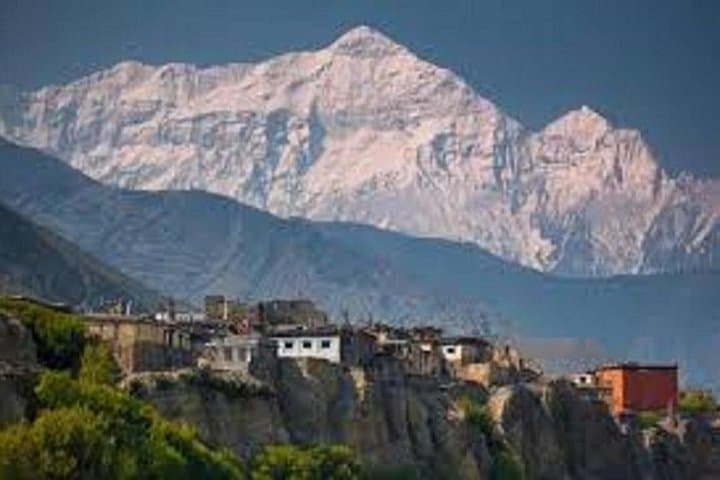


A thin, cold wind from the Kali Gandaki pushes dust and prayer flags across a trail carved between red cliffs and green terraces. On this 12‑day circuit from Pokhara to Muktinath, the landscape shifts quickly—forested hills give way to high, arid valleys where tabletop mesas and Tibetan-style villages stand under a rim of snow.
A thin, cold wind from the Kali Gandaki pushes dust and prayer flags across a trail carved between red cliffs and green terraces. On this 12‑day circuit from Pokhara to Muktinath, the landscape shifts quickly—forested hills give way to high, arid valleys where tabletop mesas and Tibetan-style villages stand under a rim of snow.
The route follows ancient trade tracks into Lower Mustang, a region shaped by glacial carving and river incision; the Kali Gandaki runs through what geologists call one of the deepest gorges on Earth. Cultural layers are visible at every turn: Gurung villages with slate-roof houses, Tibetan-influenced gompas, and Muktinath’s mixed Hindu–Buddhist pilgrimage rituals centered on 108 water spouts.
Expect long walking days (4–7 hours common), dusty mule tracks, high passes below 3,200 m, and teahouse or basic lodge stays. Trail surfaces alternate between compacted dirt, loose scree and short steep stone steps; some sections are exposed to wind. Acclimatization matters—Poon Hill’s sunrise rewards come after a steady climb and thinning air. Tatopani’s hot springs offer a practical reward: sore muscles and tired feet get real relief.
Practically, pack layered clothing, durable boots, a reliable daypack and cash for remote villages. Start each day early to avoid afternoon wind and to capitalize on clear morning views of the Annapurna massif. Respect local customs at Muktinath—modest clothing and quiet behavior around temples—and carry out what you bring in to protect the conservation area. This trek is a mix of geological spectacle, living culture and purposeful effort—humbling, direct, and uncompromising.