THE ADVENTURE COLLECTIVE® · Independent discovery and booking for outdoor travel

Float the Lower Salt River in a guided tandem kayak and trade city heat for cool cottonwoods, great blue herons and sometimes wild horses. This beginner-friendly, Class I trip blends calm paddling with wildlife viewing and local natural-history insight.
Float the Lower Salt River in a guided tandem kayak and trade city heat for cool cottonwoods, great blue herons and sometimes wild horses. This beginner-friendly, Class I trip blends calm paddling with wildlife viewing and local natural-history insight.
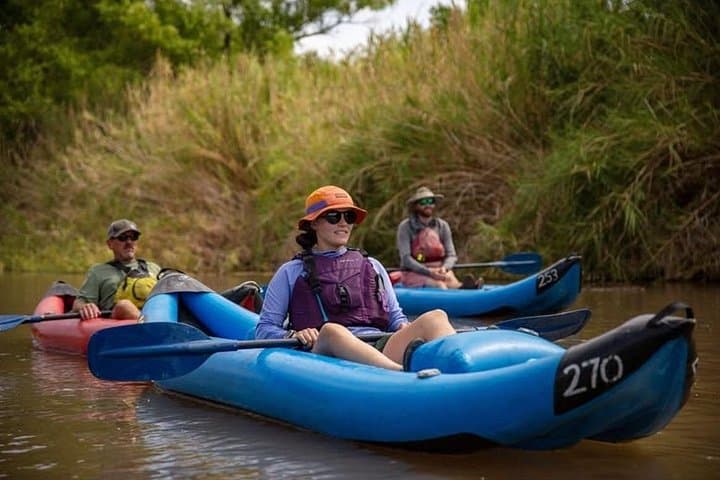
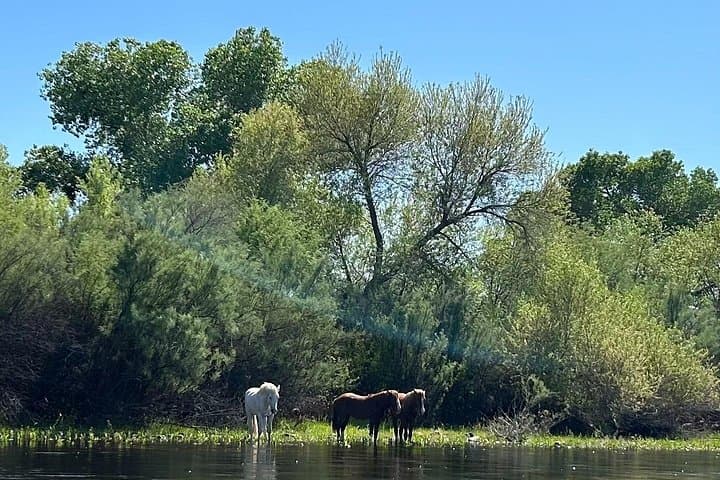
The river arrives like a cool surprise in the middle of desert heat: a slow ribbon of water threading through cottonwood stands and basalt outcrops, shoulders grazed by long-legged herons and the occasional band of wild horses picking their way along the bank. On a guided Lower Salt River kayak tour you push off in a self-bailing tandem kayak, feel the current ease you forward, and trade the city’s hum for a close-up education in Sonoran Desert life.
Verified experiences and guided adventures in the surrounding area.
Operated by Cliff Creek Outfitters · Mesa, Arizona
The river arrives like a cool surprise in the middle of desert heat: a slow ribbon of water threading through cottonwood stands and basalt outcrops, shoulders grazed by long-legged herons and the occasional band of wild horses picking their way along the bank. On a guided Lower Salt River kayak tour you push off in a self-bailing tandem kayak, feel the current ease you forward, and trade the city’s hum for a close-up education in Sonoran Desert life.
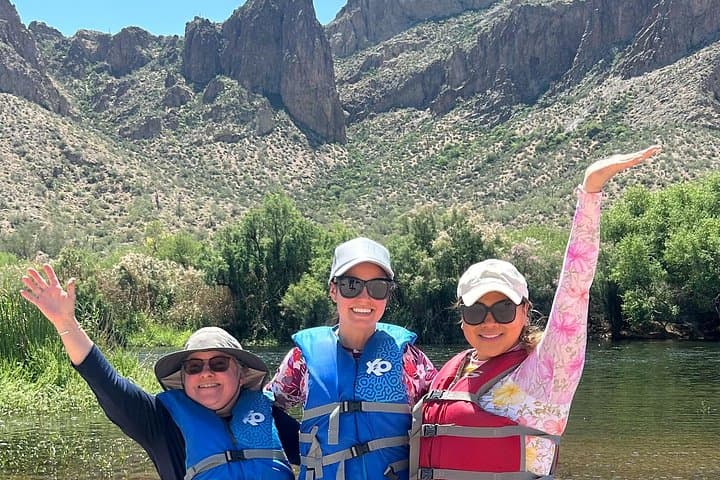
Geology here is patient and plain: ancient river channels, dark volcanic ridges and sedimentary shelves tell a slow story of uplift and erosion that shaped this reach of the Salt River. Historically the river was a lifeline for Indigenous communities and later a gathering place for ranchers and anglers. Today the corridor sits inside the Tonto National Forest, a managed public landscape where the river’s gentle Class I flow makes it accessible to beginners yet rich with wildlife viewing.
Guides double as naturalists — they’ll point out nesting herons, bald eagles, and the river’s signature feral horses, explain seasonal water flows, and teach paddling basics so you handle the boat with confidence. The typical trip runs about three hours on-site and roughly four hours total including a short shuttle from the Canal/Hawes Park & Ride in Mesa. Water temperatures shift with the seasons: chilly in winter and pleasantly warm in summer, with swimming allowed year-round for the brave.
Practical planning matters. Expect tandem kayaks supplied with paddles, PFDs, dry bags, bottled water and snacks — travel light, wear sport sandals or old sneakers that stay on, and bring sun protection. There’s little elevation gain and no technical whitewater; the physical demand is moderate: you’ll paddle intermittently and occasionally swim. Minimum weights apply for safety; larger groups are common and private departures can be arranged with advance notice.
For photographers, aim for low sun along the banks when birds and horses are most active. Keep distance from wildlife, pack out trash, and respect posted boundaries — this stretch is both scenic and ecologically sensitive. Whether you go for a family float, a wildlife-focused outing, or to learn basic paddling, the Lower Salt River offers an uncomplicated gateway into Arizona’s river country: slow water, sharp desert light, and the unexpected company of wild horses that seem determined to keep the river a place of discovery.
Guides typically put you on the water for about 2–3 hours depending on launch site and river flow; total excursion time including shuttle is roughly 3–4 hours.
No — tours are beginner-friendly and guides provide paddling instruction and safety briefings before launch.
Children are allowed but must be accompanied by an adult; the minimum weight requirement is 35 lbs.
Expect great blue herons, bald eagles, river otters sometimes, and the iconic feral horses that graze along parts of the river.
Yes—swimming is allowed and popular; water temperature varies seasonally, so be prepared for cooler water in winter.
Operators supply kayaks, paddles, PFDs, dry bags, bottled water and snacks; bring sun protection, secure shoes, and a dry change of clothes.
Cliff Creek Outfitters operates guided outdoor trips and adventures with an emphasis on safety, stewardship, and memorable experiences.

The river arrives like a cool surprise in the middle of desert heat: a slow ribbon of water threading through cottonwood stands and basalt outcrops, shoulders grazed by long-legged herons and the occasional band of wild horses picking their way along the bank. On a guided Lower Salt River kayak tour you push off in a self-bailing tandem kayak, feel the current ease you forward, and trade the city’s hum for a close-up education in Sonoran Desert life.
The river arrives like a cool surprise in the middle of desert heat: a slow ribbon of water threading through cottonwood stands and basalt outcrops, shoulders grazed by long-legged herons and the occasional band of wild horses picking their way along the bank. On a guided Lower Salt River kayak tour you push off in a self-bailing tandem kayak, feel the current ease you forward, and trade the city’s hum for a close-up education in Sonoran Desert life.
Geology here is patient and plain: ancient river channels, dark volcanic ridges and sedimentary shelves tell a slow story of uplift and erosion that shaped this reach of the Salt River. Historically the river was a lifeline for Indigenous communities and later a gathering place for ranchers and anglers. Today the corridor sits inside the Tonto National Forest, a managed public landscape where the river’s gentle Class I flow makes it accessible to beginners yet rich with wildlife viewing.
Guides double as naturalists — they’ll point out nesting herons, bald eagles, and the river’s signature feral horses, explain seasonal water flows, and teach paddling basics so you handle the boat with confidence. The typical trip runs about three hours on-site and roughly four hours total including a short shuttle from the Canal/Hawes Park & Ride in Mesa. Water temperatures shift with the seasons: chilly in winter and pleasantly warm in summer, with swimming allowed year-round for the brave.
Practical planning matters. Expect tandem kayaks supplied with paddles, PFDs, dry bags, bottled water and snacks — travel light, wear sport sandals or old sneakers that stay on, and bring sun protection. There’s little elevation gain and no technical whitewater; the physical demand is moderate: you’ll paddle intermittently and occasionally swim. Minimum weights apply for safety; larger groups are common and private departures can be arranged with advance notice.
For photographers, aim for low sun along the banks when birds and horses are most active. Keep distance from wildlife, pack out trash, and respect posted boundaries — this stretch is both scenic and ecologically sensitive. Whether you go for a family float, a wildlife-focused outing, or to learn basic paddling, the Lower Salt River offers an uncomplicated gateway into Arizona’s river country: slow water, sharp desert light, and the unexpected company of wild horses that seem determined to keep the river a place of discovery.