THE ADVENTURE COLLECTIVE® · Independent discovery and booking for outdoor travel

Spend a day tracing Project Riese and wartime sites in Lower Silesia. This full-day tour from Wrocław visits Gross-Rosen, Książ Castle and the Osówka underground complex with guided access and transport included.
Spend a day tracing Project Riese and wartime sites in Lower Silesia. This full-day tour from Wrocław visits Gross-Rosen, Książ Castle and the Osówka underground complex with guided access and transport included.
A cold morning on the road from Wrocław quickly becomes an excavation of landscape and memory: dense spruce slopes give way to quarry scars and a cliff-top castle watching the valley below. The nine-hour guided tour threads through three of Lower Silesia’s most charged sites — Gross-Rosen concentration camp, the subterranean Osówka complex and Książ Castle — each place offering a different register of the region’s wartime imprint.
Verified experiences and guided adventures in the surrounding area.
Operated by Day Tours · Wałbrzych, Lower Silesian Voivodeship
A cold morning on the road from Wrocław quickly becomes an excavation of landscape and memory: dense spruce slopes give way to quarry scars and a cliff-top castle watching the valley below. The nine-hour guided tour threads through three of Lower Silesia’s most charged sites — Gross-Rosen concentration camp, the subterranean Osówka complex and Książ Castle — each place offering a different register of the region’s wartime imprint.
Gross-Rosen records penal labor and industrial-scale cruelty on exposed ground where sandstone quarries still cut into the hillside. Książ Castle, perched above the Pełcznica River, combines medieval foundations with 20th-century strategic interest; its surrounding ridges were surveyed and altered during Nazi construction schemes. The Osówka tunnels reveal the scale and secrecy of Project Riese: blasted chambers, concrete galleries and unfinished infrastructure that hint at wartime priorities and the geology — fractured gneiss and sandstone — that made subterranean work possible.
Culturally, the route traces shifts in borders and population across Silesia; local museums and memorials keep testimony central. Practical guidance follows the history: expect uneven stone and metal walkways, steep stairs and tight underground passages. Bring sturdy shoes, layered clothing for damp tunnel air and a charged phone for photos and navigation. The itinerary runs about nine hours with hotel pickup in Wrocław and small-group transport; entrances to the museum sites are included. Because these are memorial sites, visitors should allow quiet time and respect signage. Plan for limited food stops; carry water and light snacks. The tour balances demanding subject matter with accessible logistics — a full-day, reflective, on-the-ground study of wartime engineering, memory and landscape.
The tour lasts about nine hours and includes hotel pickup in Wrocław, air-conditioned minibus transport, English-speaking driver/guide assistance, and entrance to the listed sites.
Children can join but must be accompanied by an adult; the itinerary contains sobering memorials and some underground sections that may not be suitable for very young children.
Osówka involves stairs, low ceilings and uneven walkways; people with mobility issues may find parts challenging and should check accessibility in advance.
Full refund is available if canceled at least 24 hours before departure; the operator may cancel for bad weather with refund eligibility per their standard policy.
Day Tours operates guided outdoor trips and adventures with an emphasis on safety, stewardship, and memorable experiences.


A cold morning on the road from Wrocław quickly becomes an excavation of landscape and memory: dense spruce slopes give way to quarry scars and a cliff-top castle watching the valley below. The nine-hour guided tour threads through three of Lower Silesia’s most charged sites — Gross-Rosen concentration camp, the subterranean Osówka complex and Książ Castle — each place offering a different register of the region’s wartime imprint.
A cold morning on the road from Wrocław quickly becomes an excavation of landscape and memory: dense spruce slopes give way to quarry scars and a cliff-top castle watching the valley below. The nine-hour guided tour threads through three of Lower Silesia’s most charged sites — Gross-Rosen concentration camp, the subterranean Osówka complex and Książ Castle — each place offering a different register of the region’s wartime imprint.
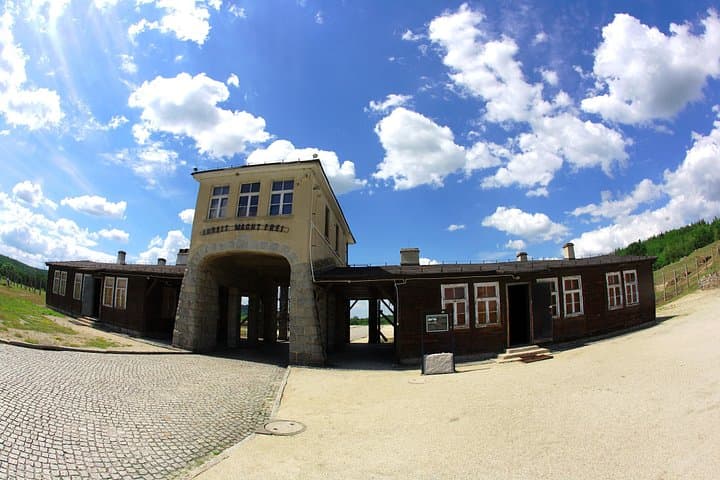
Gross-Rosen records penal labor and industrial-scale cruelty on exposed ground where sandstone quarries still cut into the hillside. Książ Castle, perched above the Pełcznica River, combines medieval foundations with 20th-century strategic interest; its surrounding ridges were surveyed and altered during Nazi construction schemes. The Osówka tunnels reveal the scale and secrecy of Project Riese: blasted chambers, concrete galleries and unfinished infrastructure that hint at wartime priorities and the geology — fractured gneiss and sandstone — that made subterranean work possible.
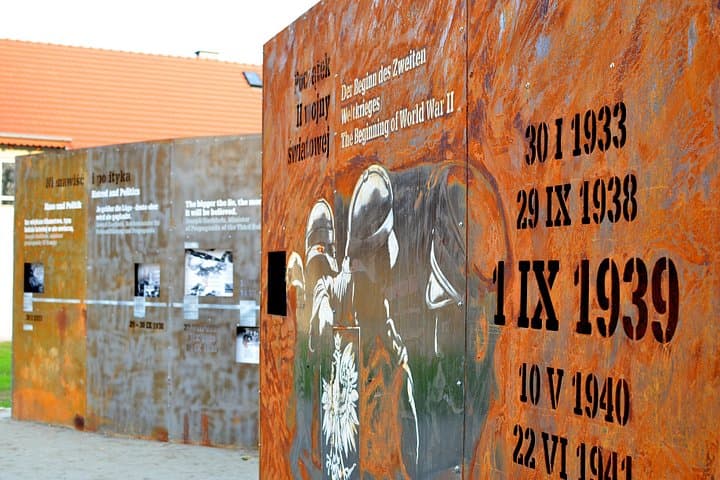
Culturally, the route traces shifts in borders and population across Silesia; local museums and memorials keep testimony central. Practical guidance follows the history: expect uneven stone and metal walkways, steep stairs and tight underground passages. Bring sturdy shoes, layered clothing for damp tunnel air and a charged phone for photos and navigation. The itinerary runs about nine hours with hotel pickup in Wrocław and small-group transport; entrances to the museum sites are included. Because these are memorial sites, visitors should allow quiet time and respect signage. Plan for limited food stops; carry water and light snacks. The tour balances demanding subject matter with accessible logistics — a full-day, reflective, on-the-ground study of wartime engineering, memory and landscape.