THE ADVENTURE COLLECTIVE® · Independent discovery and booking for outdoor travel

Explore the Sanctuary of Loyola and Saint Ignatius’s birth-house with a local guide from Azpeitia. This 75–90 minute small-group tour combines baroque architecture, local history and on-site admission for a concise cultural pilgrimage.
Explore the Sanctuary of Loyola and Saint Ignatius’s birth-house with a local guide from Azpeitia. This 75–90 minute small-group tour combines baroque architecture, local history and on-site admission for a concise cultural pilgrimage.
You step off the coach and the sanctuary's stairway fills your view: broad stone steps lead up to an 18th‑century baroque façade, bell towers catching the gray Atlantic light. Pines and low hedgerows press close; the river nearby seems to tug at the valley, urging travelers inward. Your guide—born in the same town as Saint Ignatius—meets the group and begins to point out carved details, pilgrim routes and the stories stitched into every chapel vault.
Verified experiences and guided adventures in the surrounding area.
Operated by Bask Alive · Azpeitia, Gipuzkoa
You step off the coach and the sanctuary's stairway fills your view: broad stone steps lead up to an 18th‑century baroque façade, bell towers catching the gray Atlantic light. Pines and low hedgerows press close; the river nearby seems to tug at the valley, urging travelers inward. Your guide—born in the same town as Saint Ignatius—meets the group and begins to point out carved details, pilgrim routes and the stories stitched into every chapel vault.
This short tour threads history and local life: Saint Ignatius of Loyola, born in the 1490s, shaped a religious order that influenced education and exploration across continents. The sanctuary complex that stands now is largely baroque rebuilding from later centuries around a modest birth-house—three floors the guide opens like pages of a biography. Geologically the area sits on rolling limestone and sandstone ridges of Gipuzkoa; paths are firm, the air cool from nearby Cantabrian breezes.
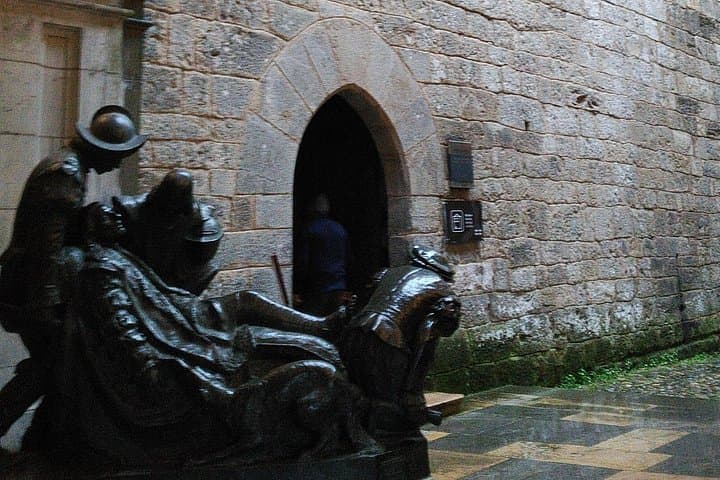
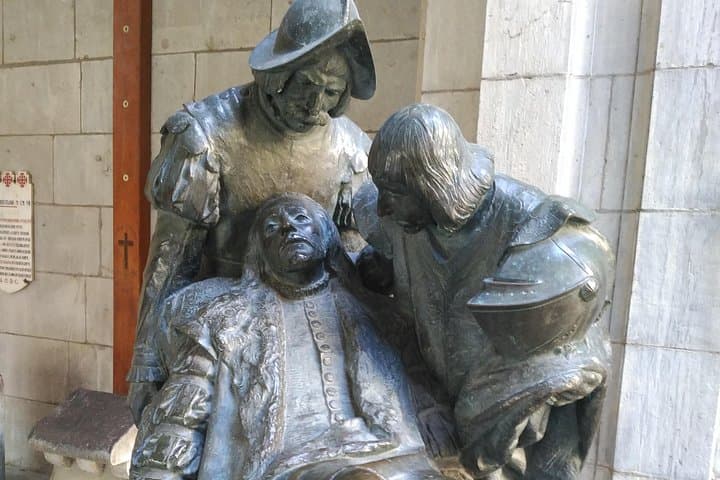
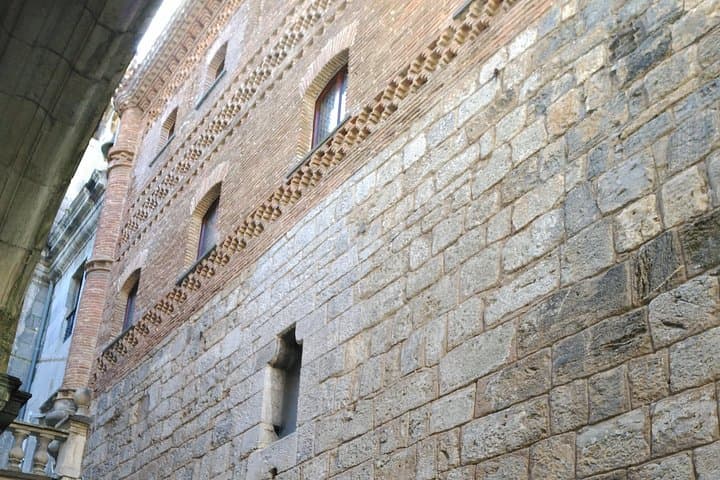
Culture here is practical and proud—Basque language and food punctuate the route, and small altarpieces tell local devotional practices. Expect quiet courtyards, carved stone, and a compact museum of Jesuit artefacts.
Practical guidance: tours run ~75–90 minutes for small groups (max 6) with entrance included; the bus stop named Loyola is about 150 meters from the sanctuary. Wear comfortable walking shoes for cobbled surfaces, bring a light layer for chapel drafts, and allow extra time for photography and questions. The guide’s local perspective turns familiar stones into clear stories—ideal for history-minded travelers seeking a concise, accessible pilgrimage experience.
The tour lasts about 75–90 minutes, covering the sanctuary exterior, interior highlights and the three-floor birthplace museum.
Yes—entrance to the Sanctuary and the birthplace is included with this guided visit.
Regular regional buses run from San Sebastián to the Loyola stop (about 150 meters from the sanctuary); check local timetables for current schedules.
The experience is family-friendly, but some interiors and stairways are narrow; infants must sit on an adult’s lap and strollers may be difficult in cobbled zones.
Bask Alive operates guided outdoor trips and adventures with an emphasis on safety, stewardship, and memorable experiences.
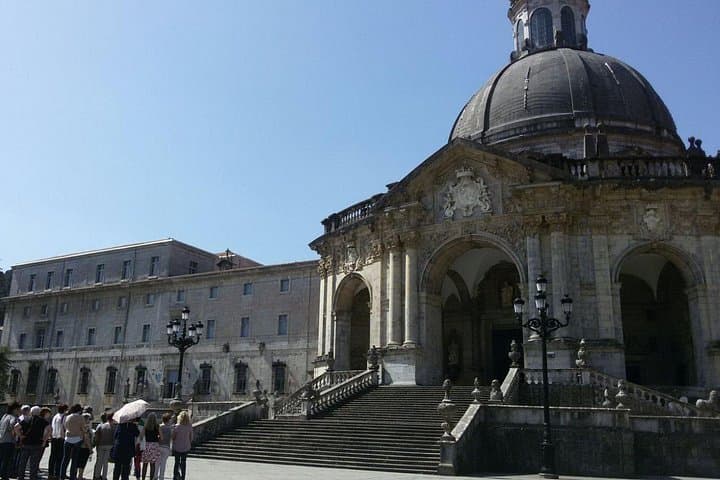
You step off the coach and the sanctuary's stairway fills your view: broad stone steps lead up to an 18th‑century baroque façade, bell towers catching the gray Atlantic light. Pines and low hedgerows press close; the river nearby seems to tug at the valley, urging travelers inward. Your guide—born in the same town as Saint Ignatius—meets the group and begins to point out carved details, pilgrim routes and the stories stitched into every chapel vault.
You step off the coach and the sanctuary's stairway fills your view: broad stone steps lead up to an 18th‑century baroque façade, bell towers catching the gray Atlantic light. Pines and low hedgerows press close; the river nearby seems to tug at the valley, urging travelers inward. Your guide—born in the same town as Saint Ignatius—meets the group and begins to point out carved details, pilgrim routes and the stories stitched into every chapel vault.
This short tour threads history and local life: Saint Ignatius of Loyola, born in the 1490s, shaped a religious order that influenced education and exploration across continents. The sanctuary complex that stands now is largely baroque rebuilding from later centuries around a modest birth-house—three floors the guide opens like pages of a biography. Geologically the area sits on rolling limestone and sandstone ridges of Gipuzkoa; paths are firm, the air cool from nearby Cantabrian breezes.
Culture here is practical and proud—Basque language and food punctuate the route, and small altarpieces tell local devotional practices. Expect quiet courtyards, carved stone, and a compact museum of Jesuit artefacts.
Practical guidance: tours run ~75–90 minutes for small groups (max 6) with entrance included; the bus stop named Loyola is about 150 meters from the sanctuary. Wear comfortable walking shoes for cobbled surfaces, bring a light layer for chapel drafts, and allow extra time for photography and questions. The guide’s local perspective turns familiar stones into clear stories—ideal for history-minded travelers seeking a concise, accessible pilgrimage experience.