THE ADVENTURE COLLECTIVE® · Independent discovery and booking for outdoor travel

A five-day guided trek from Luang Namtha into primary forest, visiting Khmu and Lanten villages, camping beside streams and salt licks, and finishing with a homestay. Expect ridge walks, river crossings, and village culture — great for fit hikers seeking remote multi-day wilderness.
A five-day guided trek from Luang Namtha into primary forest, visiting Khmu and Lanten villages, camping beside streams and salt licks, and finishing with a homestay. Expect ridge walks, river crossings, and village culture — great for fit hikers seeking remote multi-day wilderness.
You step out of Luang Namtha before sunrise and the road drops away into rice paddies, then into a green that tightens to primary forest. The guide stokes a small fire while the group loads daypacks; the jungle ahead smells of damp earth and crushed herbs. Over five days you move along mountain ridges, cross the Namha River, and camp beside streams where the forest seems to push close, daring you deeper.
Verified experiences and guided adventures in the surrounding area.
Operated by The Hiker · Luang Namtha, Luang Namtha Province
You step out of Luang Namtha before sunrise and the road drops away into rice paddies, then into a green that tightens to primary forest. The guide stokes a small fire while the group loads daypacks; the jungle ahead smells of damp earth and crushed herbs. Over five days you move along mountain ridges, cross the Namha River, and camp beside streams where the forest seems to push close, daring you deeper.
This region in northern Laos is home to Khmu and Lanten communities with a history of shifting cultivation and rich oral traditions; stone-strewn ridgelines here are folded limestone and sandstone shaped by monsoon patterns. Salt licks carved into the slopes attract deer and wild pig, a long-standing lure for local hunters and now a focus for wildlife observation. Community-based tourism fees support village projects and preserve cultural practices tied to the land.
Expect daily hikes of variable length — long first-day approaches, shorter ridge walks later — on steep, often muddy trails with root networks and occasional stream crossings. Nights alternate jungle camps with a final homestay where you’ll learn local cuisine and customs. Guides teach edible plants and basic first-aid; sleeping gear is included but bring layered clothing, waterproofs, and good trekking boots.
Plan for the dry season (Nov–Feb) to avoid heavy rains; carry water treatment, insect protection, and minimal plastic waste. Pace yourself, respect village customs, and leave no trace: the best souvenir is the memory of a quiet night under a full sky.
Five lunches, four breakfasts and dinners are provided along with sleeping gear and community fees; bring personal toiletries and snacks.
Participants should have a high fitness level and prior experience with day hikes or multi-day walks; expect sustained uphill and uneven terrain.
The dry season (November–February) offers the most stable trails and clearer skies; heavy rains from May–October make crossings and mud more challenging.
Not recommended for pregnant travelers or those with serious cardiovascular/back problems; consult the operator for specific health concerns.
The Hiker operates guided outdoor trips and adventures with an emphasis on safety, stewardship, and memorable experiences.
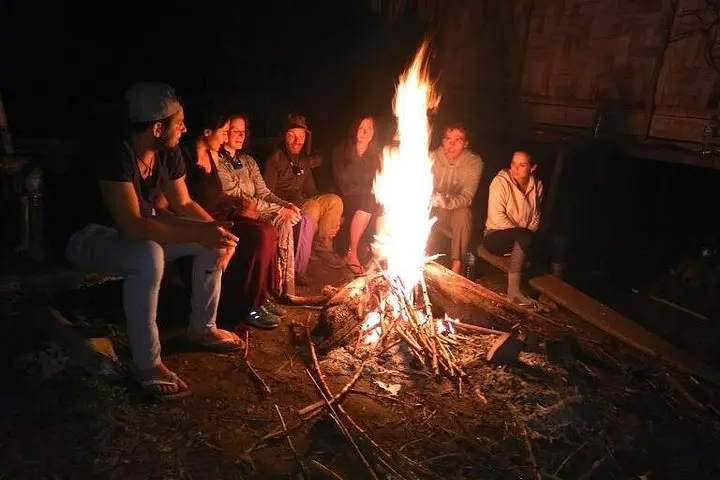
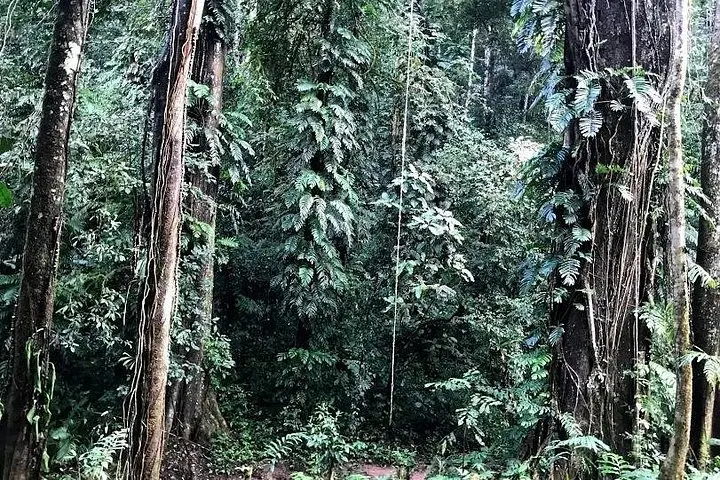
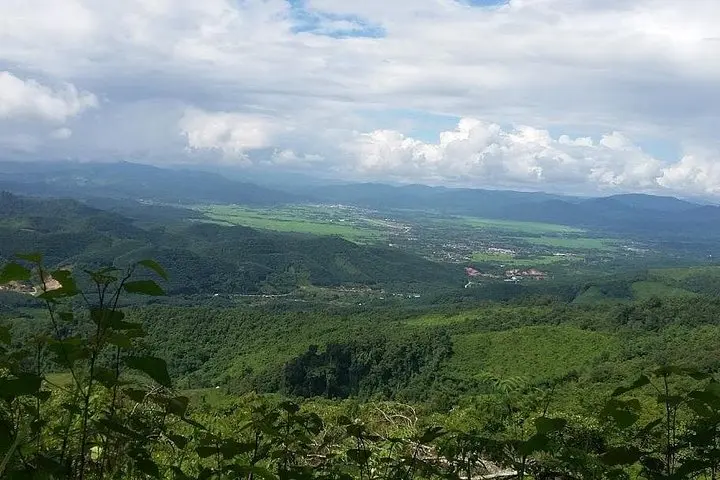
You step out of Luang Namtha before sunrise and the road drops away into rice paddies, then into a green that tightens to primary forest. The guide stokes a small fire while the group loads daypacks; the jungle ahead smells of damp earth and crushed herbs. Over five days you move along mountain ridges, cross the Namha River, and camp beside streams where the forest seems to push close, daring you deeper.
You step out of Luang Namtha before sunrise and the road drops away into rice paddies, then into a green that tightens to primary forest. The guide stokes a small fire while the group loads daypacks; the jungle ahead smells of damp earth and crushed herbs. Over five days you move along mountain ridges, cross the Namha River, and camp beside streams where the forest seems to push close, daring you deeper.
This region in northern Laos is home to Khmu and Lanten communities with a history of shifting cultivation and rich oral traditions; stone-strewn ridgelines here are folded limestone and sandstone shaped by monsoon patterns. Salt licks carved into the slopes attract deer and wild pig, a long-standing lure for local hunters and now a focus for wildlife observation. Community-based tourism fees support village projects and preserve cultural practices tied to the land.
Expect daily hikes of variable length — long first-day approaches, shorter ridge walks later — on steep, often muddy trails with root networks and occasional stream crossings. Nights alternate jungle camps with a final homestay where you’ll learn local cuisine and customs. Guides teach edible plants and basic first-aid; sleeping gear is included but bring layered clothing, waterproofs, and good trekking boots.
Plan for the dry season (Nov–Feb) to avoid heavy rains; carry water treatment, insect protection, and minimal plastic waste. Pace yourself, respect village customs, and leave no trace: the best souvenir is the memory of a quiet night under a full sky.