THE ADVENTURE COLLECTIVE® · Independent discovery and booking for outdoor travel

Explore perched villages, ochre cliffs and the spring-fed Sorgue on a measured day tour of the Luberon. This trip blends short walks, cultural stops and scenic viewpoints with practical breaks for lunch and photos.
Explore perched villages, ochre cliffs and the spring-fed Sorgue on a measured day tour of the Luberon. This trip blends short walks, cultural stops and scenic viewpoints with practical breaks for lunch and photos.
A narrow road climbs, and the stone houses of Gordes appear like a village that learned to grow out of the hill. Sunlight picks out the pale limestone; lavender fields ripple on the valley floor when in season. The tour moves at a deliberate pace—photo stops, short walks and time to breathe in the Provençal light—so visitors see the region rather than race through it.
Verified experiences and guided adventures in the surrounding area.
Operated by Provence Excursions · Gordes, Provence-Alpes-Côte d'Azur
A narrow road climbs, and the stone houses of Gordes appear like a village that learned to grow out of the hill. Sunlight picks out the pale limestone; lavender fields ripple on the valley floor when in season. The tour moves at a deliberate pace—photo stops, short walks and time to breathe in the Provençal light—so visitors see the region rather than race through it.
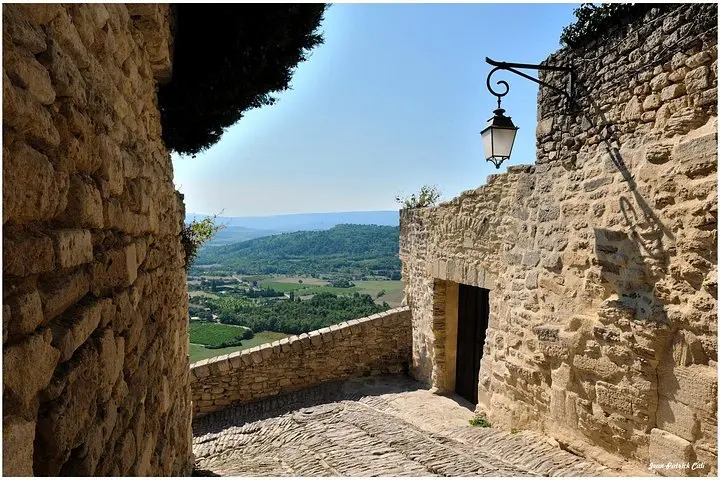
Gordes is a medieval perch with cobbled lanes and a hilltop viewpoint that speaks to centuries of fortified life. Not far away, Sénanque Abbey dates from the 12th century and still frames lavender in summer. The ochre of Roussillon is geological storytelling: oxidized iron and sand forced into cliffs and quarries, later shaped by miners and weather into the red-and-gold gullies of the Sentier des Ocres. At Fontaine-de-Vaucluse, the Sorgue emerges from a karst spring so clear it feels like water insisting on moving—its current powered paper mills here for centuries.
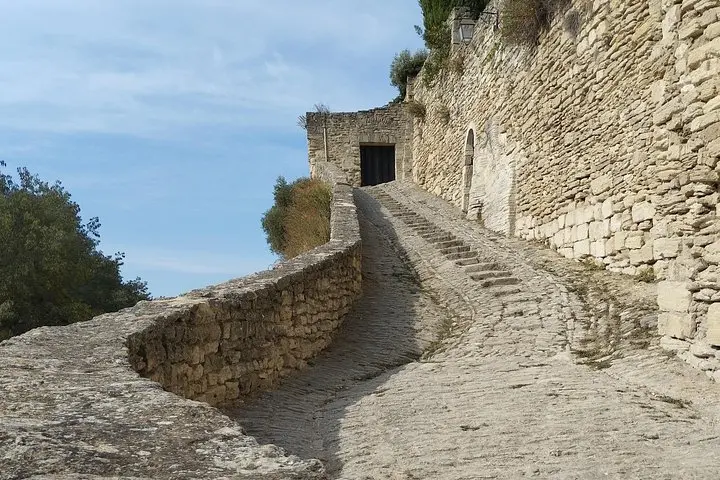
Practical guidance: the experience is low-impact but involves walking on uneven cobbles and dirt paths—expect 1–2 km on the ochre trail (30–45 minutes) and several short climbs through village alleys. Entrance to the ochre footpath is typically included; bring sun protection, a refillable water bottle and comfortable shoes. Lunch is self-selected in Roussillon with options in the village square; the tour usually runs about seven hours from a central Avignon meeting point. Respect marked paths at the ochre sites and observe closure notices at the Sorgue chasm where rockfall risk may restrict access.
Yes—most organized tours include the Sentier des Ocres admission as part of the itinerary.
Expect short walks: roughly 30–45 minutes on the ochre trail plus 15–45 minutes of strolls through village streets at each stop.
Yes—there is free time for lunch in Roussillon where cafes and small markets offer local options; bring cash or card as available.
Access can be temporarily closed for rockfall risk; the riverbank stroll and paper mill visit are usually available instead.
Provence Excursions operates guided outdoor trips and adventures with an emphasis on safety, stewardship, and memorable experiences.
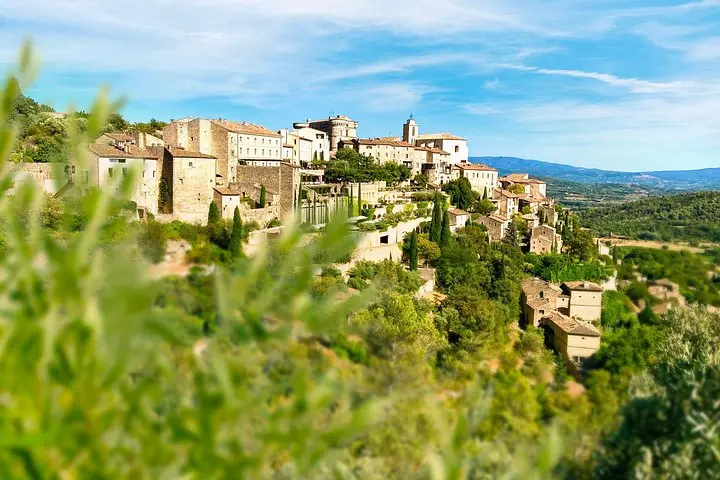
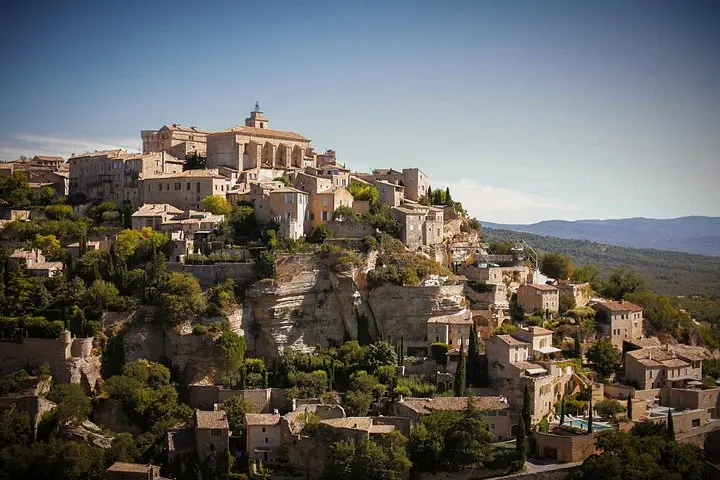
A narrow road climbs, and the stone houses of Gordes appear like a village that learned to grow out of the hill. Sunlight picks out the pale limestone; lavender fields ripple on the valley floor when in season. The tour moves at a deliberate pace—photo stops, short walks and time to breathe in the Provençal light—so visitors see the region rather than race through it.
A narrow road climbs, and the stone houses of Gordes appear like a village that learned to grow out of the hill. Sunlight picks out the pale limestone; lavender fields ripple on the valley floor when in season. The tour moves at a deliberate pace—photo stops, short walks and time to breathe in the Provençal light—so visitors see the region rather than race through it.
Gordes is a medieval perch with cobbled lanes and a hilltop viewpoint that speaks to centuries of fortified life. Not far away, Sénanque Abbey dates from the 12th century and still frames lavender in summer. The ochre of Roussillon is geological storytelling: oxidized iron and sand forced into cliffs and quarries, later shaped by miners and weather into the red-and-gold gullies of the Sentier des Ocres. At Fontaine-de-Vaucluse, the Sorgue emerges from a karst spring so clear it feels like water insisting on moving—its current powered paper mills here for centuries.
Practical guidance: the experience is low-impact but involves walking on uneven cobbles and dirt paths—expect 1–2 km on the ochre trail (30–45 minutes) and several short climbs through village alleys. Entrance to the ochre footpath is typically included; bring sun protection, a refillable water bottle and comfortable shoes. Lunch is self-selected in Roussillon with options in the village square; the tour usually runs about seven hours from a central Avignon meeting point. Respect marked paths at the ochre sites and observe closure notices at the Sorgue chasm where rockfall risk may restrict access.