THE ADVENTURE COLLECTIVE® · Independent discovery and booking for outdoor travel

Spend an eight-hour private tour through the Luberon’s hilltop villages and lavender fields with a local guide. Visit Gordes, Roussillon, Bonnieux and more while learning about the region’s geology, agricultural rhythms and seasonal blooms.
Spend an eight-hour private tour through the Luberon’s hilltop villages and lavender fields with a local guide. Visit Gordes, Roussillon, Bonnieux and more while learning about the region’s geology, agricultural rhythms and seasonal blooms.
Morning light slices across low stone houses as the minivan slips into the Luberon. Lavender stalks, when in bloom mid-June to mid-July, ride the breeze like a violet tide, and hilltop villages appear in sequence — a slow reveal of dry-stone walls, church towers, and terraces.
Verified experiences and guided adventures in the surrounding area.
Operated by 1388 · Gordes, Provence-Alpes-Côte d'Azur
Morning light slices across low stone houses as the minivan slips into the Luberon. Lavender stalks, when in bloom mid-June to mid-July, ride the breeze like a violet tide, and hilltop villages appear in sequence — a slow reveal of dry-stone walls, church towers, and terraces.
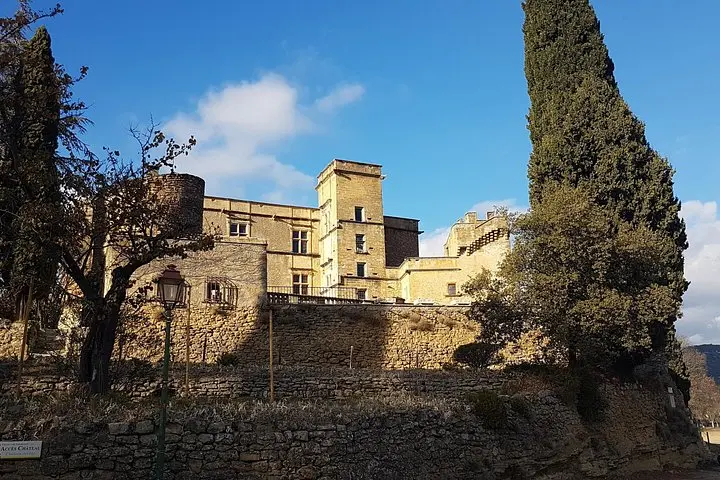
This private, full-day tour threads together the region’s history: fortified medieval Gordes, the iron-rich ochre quarries of Roussillon, and the perched hamlet of Bonnieux that surveys limestone slopes. Geology reads like a map of time here — Mesozoic limestone folded into terraces, Cretaceous clays giving the ochres their rust, and pockets of aromatic garrigue that scent every step.
Culturally the Luberon is agricultural and artisanal; small markets, olive presses, and vineyards shape daily life. A local guide brings the accent and context, pointing out bread ovens, restored lavandes, and the seasonal rhythms that still govern harvests.
Practical guide: the tour runs about eight hours with hotel pickup in an air-conditioned minivan; wear comfortable walking shoes for cobbled lanes and short uphill stretches. Bring sun protection and a light layer for breezy hilltops; bottled water is provided, but carry an extra refillable bottle. If you plan to photograph lavender, aim for early morning or late afternoon for the best light and fewer crowds. The peak bloom is weather-dependent — aim for mid-June to mid-July for lavender, but expect strong fragrance and color shifts across microclimates. This itinerary suits travelers comfortable with moderate walking and wants immersive village time without self-driving logistics.
Bloom typically runs mid-June to mid-July but shifts with elevation and yearly weather; your guide will aim to pass fields at peak color when possible.
The tour is private and can accommodate families, but it involves moderate walking and some stairs; inform the operator about mobility needs during booking.
This tour lists transport and guide included; small optional visits (such as the Sentier des Ocres) typically require a modest ticket paid on site.
Private tours often offer flexible pickup and slight itinerary adjustments—confirm specifics and any extra costs when booking.
1388 operates guided outdoor trips and adventures with an emphasis on safety, stewardship, and memorable experiences.
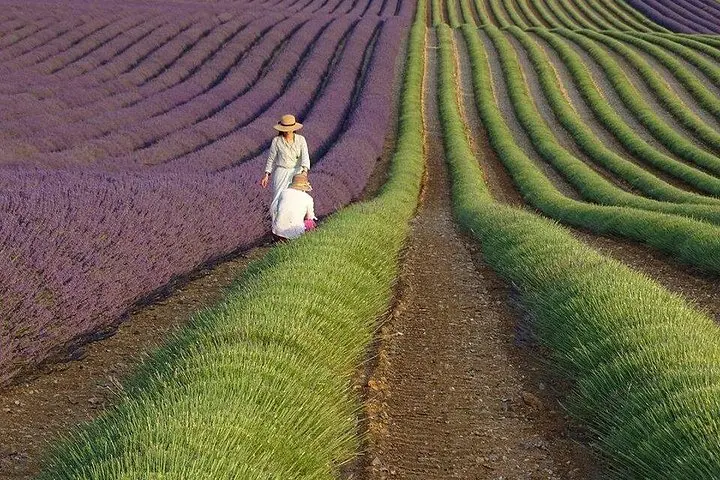
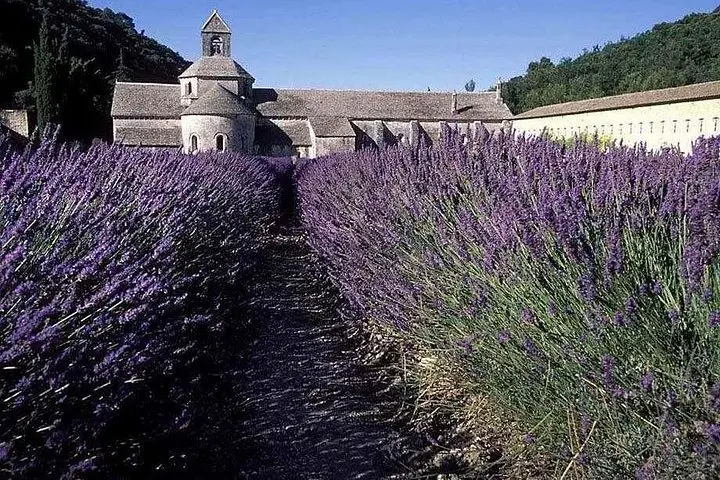
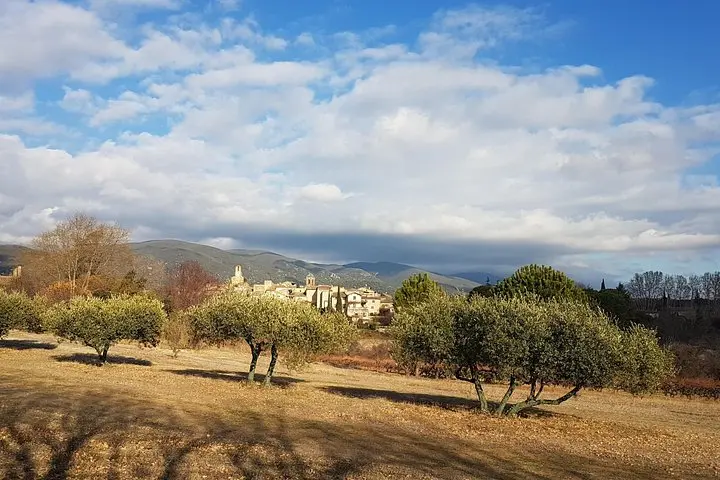
Morning light slices across low stone houses as the minivan slips into the Luberon. Lavender stalks, when in bloom mid-June to mid-July, ride the breeze like a violet tide, and hilltop villages appear in sequence — a slow reveal of dry-stone walls, church towers, and terraces.
Morning light slices across low stone houses as the minivan slips into the Luberon. Lavender stalks, when in bloom mid-June to mid-July, ride the breeze like a violet tide, and hilltop villages appear in sequence — a slow reveal of dry-stone walls, church towers, and terraces.
This private, full-day tour threads together the region’s history: fortified medieval Gordes, the iron-rich ochre quarries of Roussillon, and the perched hamlet of Bonnieux that surveys limestone slopes. Geology reads like a map of time here — Mesozoic limestone folded into terraces, Cretaceous clays giving the ochres their rust, and pockets of aromatic garrigue that scent every step.
Culturally the Luberon is agricultural and artisanal; small markets, olive presses, and vineyards shape daily life. A local guide brings the accent and context, pointing out bread ovens, restored lavandes, and the seasonal rhythms that still govern harvests.
Practical guide: the tour runs about eight hours with hotel pickup in an air-conditioned minivan; wear comfortable walking shoes for cobbled lanes and short uphill stretches. Bring sun protection and a light layer for breezy hilltops; bottled water is provided, but carry an extra refillable bottle. If you plan to photograph lavender, aim for early morning or late afternoon for the best light and fewer crowds. The peak bloom is weather-dependent — aim for mid-June to mid-July for lavender, but expect strong fragrance and color shifts across microclimates. This itinerary suits travelers comfortable with moderate walking and wants immersive village time without self-driving logistics.