THE ADVENTURE COLLECTIVE® · Independent discovery and booking for outdoor travel

Spend a full day driving through the Luberon’s hilltop villages — Ménerbes, Lacoste, Gordes and Roussillon — sampling local wines, walking ochre trails and exploring abbeys and narrow stone streets. Expect short village hikes, stunning views, and practical tips for timing and gear.
Spend a full day driving through the Luberon’s hilltop villages — Ménerbes, Lacoste, Gordes and Roussillon — sampling local wines, walking ochre trails and exploring abbeys and narrow stone streets. Expect short village hikes, stunning views, and practical tips for timing and gear.
You step off the air‑conditioned vehicle into a sun-warmed square in Ménerbes, where limestone walls hold the day's quiet heat and the scent of thyme follows every breeze. Narrow lanes lead to shaded courtyards; a local winemaker pours a pale rosé that seems to carry the hillside in its weight. The road ahead threads vineyards, scrub pines and ochre cliffs — Provence itself moving at walking pace.
Verified experiences and guided adventures in the surrounding area.
Operated by Planetazur · Gordes, Provence-Alpes-Côte d'Azur
You step off the air‑conditioned vehicle into a sun-warmed square in Ménerbes, where limestone walls hold the day's quiet heat and the scent of thyme follows every breeze. Narrow lanes lead to shaded courtyards; a local winemaker pours a pale rosé that seems to carry the hillside in its weight. The road ahead threads vineyards, scrub pines and ochre cliffs — Provence itself moving at walking pace.
The Luberon has long been a crossroads: Roman farming terraces give way to medieval hilltop villages and the abbeys that once controlled lavender fields. Geologically, the region is shaped by limestone plateaus and pockets of ochre deposits near Roussillon, the latter formed from iron-rich sediments that dare sun and time to change color. Cultural life here mixes Provençal market rhythms with centuries-old craft traditions; Lacoste’s château, for instance, recalls a controversial past while its streets now host contemporary art and gardens.
Practical rhythm: expect an eight‑hour day with roughly 30–60 minutes of walking at each stop (short village climbs and cobbled lanes, minimal total elevation gain of a few hundred meters across the day). Wear sturdy walking shoes for uneven stone streets, bring a reusable water bottle and sunscreen, and plan photos in the golden hour at Gordes or the ochre trail in Roussillon. If you want tastings, bring a card and a small cooler if you plan to buy bottles. Timing matters: spring and early summer catch lavender near Sénanque; autumn softens the light and eases crowds. This is a relaxed, sensory day that pairs easy walking with local flavours and solid regional history — ideal for curious hikers and wine lovers alike.
Expect short walks of 30–60 minutes at each village: cobbled alleys, village viewpoints and short trails such as the ochre walk in Roussillon; total walking is moderate and broken up by transport.
The itinerary notes wine tasting visits included as part of the day; check the operator’s details for specific tastings and any additional fees for purchases.
Villages have uneven surfaces and stairs but are stroller‑accessible in parts; infants should sit on laps and some walking routes are not stroller‑friendly.
Late spring to early autumn offers best weather and lavender at Sénanque in early summer; shoulder seasons reduce crowds and soften midday heat.
Planetazur operates guided outdoor trips and adventures with an emphasis on safety, stewardship, and memorable experiences.
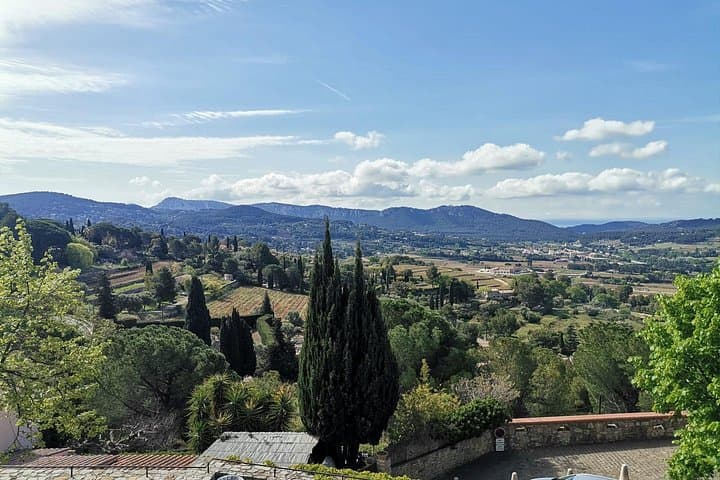
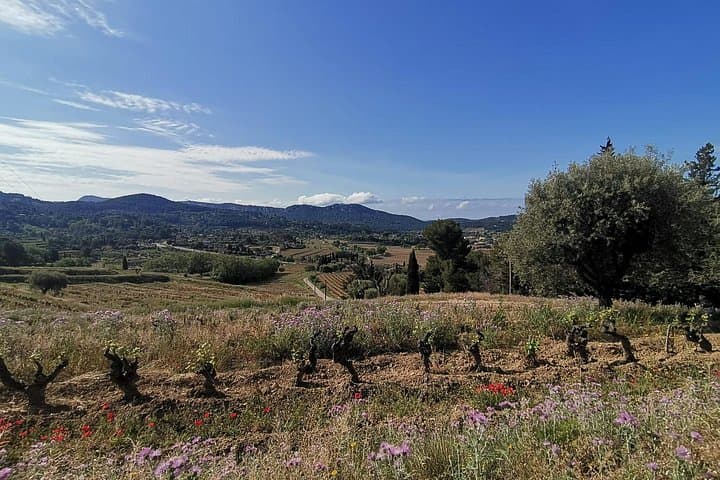
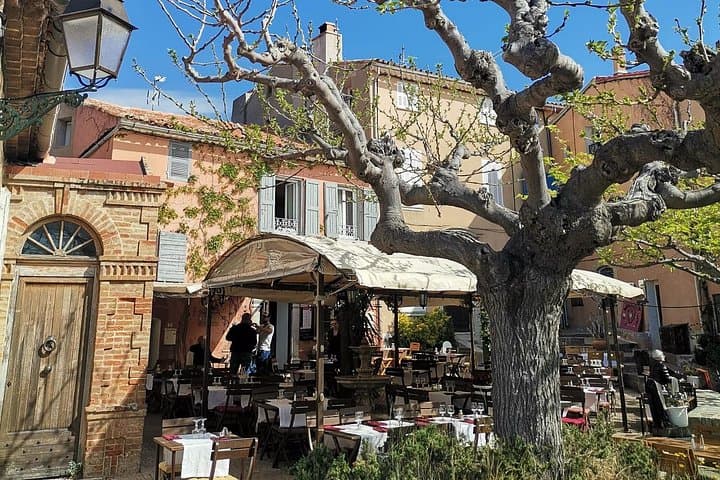
You step off the air‑conditioned vehicle into a sun-warmed square in Ménerbes, where limestone walls hold the day's quiet heat and the scent of thyme follows every breeze. Narrow lanes lead to shaded courtyards; a local winemaker pours a pale rosé that seems to carry the hillside in its weight. The road ahead threads vineyards, scrub pines and ochre cliffs — Provence itself moving at walking pace.
You step off the air‑conditioned vehicle into a sun-warmed square in Ménerbes, where limestone walls hold the day's quiet heat and the scent of thyme follows every breeze. Narrow lanes lead to shaded courtyards; a local winemaker pours a pale rosé that seems to carry the hillside in its weight. The road ahead threads vineyards, scrub pines and ochre cliffs — Provence itself moving at walking pace.
The Luberon has long been a crossroads: Roman farming terraces give way to medieval hilltop villages and the abbeys that once controlled lavender fields. Geologically, the region is shaped by limestone plateaus and pockets of ochre deposits near Roussillon, the latter formed from iron-rich sediments that dare sun and time to change color. Cultural life here mixes Provençal market rhythms with centuries-old craft traditions; Lacoste’s château, for instance, recalls a controversial past while its streets now host contemporary art and gardens.
Practical rhythm: expect an eight‑hour day with roughly 30–60 minutes of walking at each stop (short village climbs and cobbled lanes, minimal total elevation gain of a few hundred meters across the day). Wear sturdy walking shoes for uneven stone streets, bring a reusable water bottle and sunscreen, and plan photos in the golden hour at Gordes or the ochre trail in Roussillon. If you want tastings, bring a card and a small cooler if you plan to buy bottles. Timing matters: spring and early summer catch lavender near Sénanque; autumn softens the light and eases crowds. This is a relaxed, sensory day that pairs easy walking with local flavours and solid regional history — ideal for curious hikers and wine lovers alike.